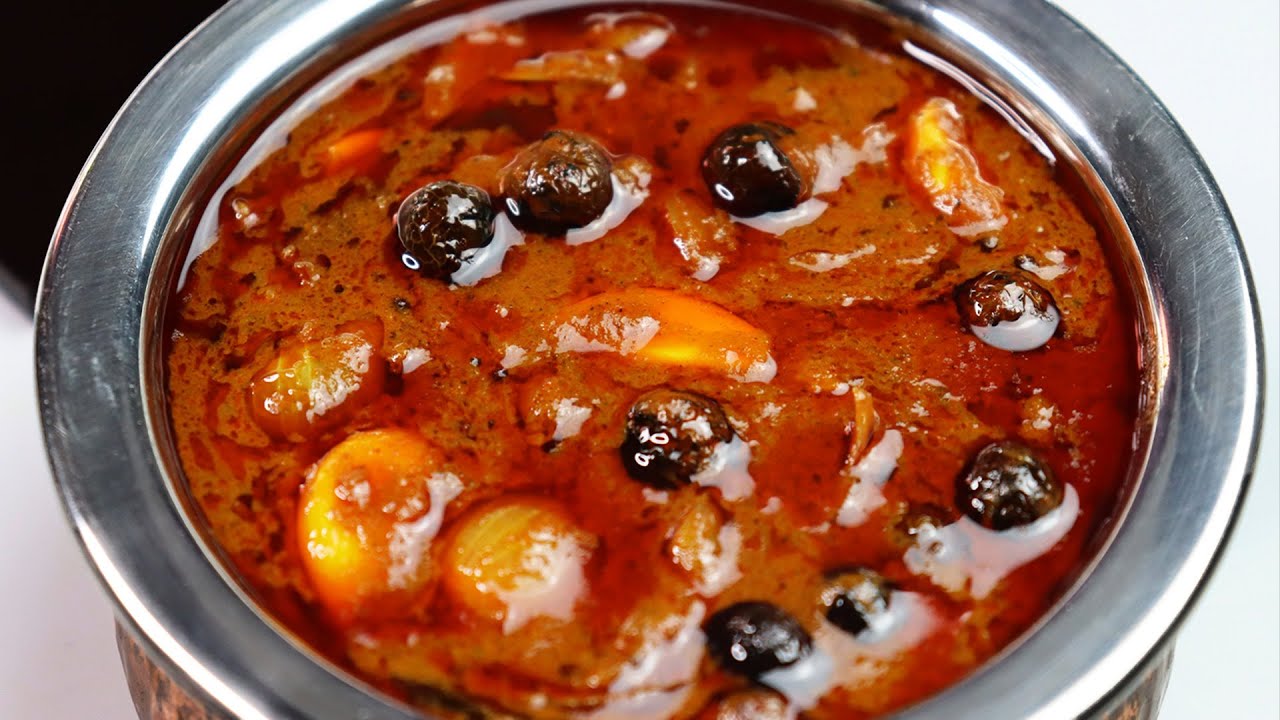
Aadi Koozh - Traditional Ragi Koozh Recipe

Authentic South Indian Food Creator · Home Chef

Rate this recipe
Aadi Koozh, also lovingly called Kezhvaragu Koozh or Ragi Kool, is a traditional fermented finger millet porridge that has been a cherished part of Tamil cuisine for centuries. Made from ragi flour cooked to a thick, smooth consistency and left to ferment overnight, this humble drink carries the wisdom of our ancestors in every sip. It is a cooling, nourishing preparation deeply rooted in the agricultural traditions of Tamil Nadu, especially associated with the sacred Tamil month of Aadi.
Tamil families absolutely adore this dish because it is not just food but a cultural ritual. During the month of Aadi, which falls between mid-July and mid-August, households prepare Koozh as an offering to Goddess Mariamman and other village deities. It is served at temple festivals, community gatherings, and roadside stalls where people line up eagerly to receive it in earthen pots. The combination of fermentation, buttermilk, and fresh shallots makes this a deeply satisfying and spiritually meaningful dish for Tamil people of all ages.
What makes this recipe truly special is its simplicity and the magical transformation that happens through fermentation. The overnight resting process develops a gentle tangy flavour that no fresh preparation can replicate. For best results, always use fresh ragi flour and ferment in a clay pot if possible, as it enhances the flavour naturally. Serve chilled with buttermilk, raw shallots, green chillies, and a generous pinch of salt for an authentic experience that will transport you straight to the heart of Tamil Nadu.
Looking for more drinks recipes? Browse all vegetarian recipes →
Ingredients(10 items)
Instructions
💡 Tap a step to mark it doneIn a small bowl, mix the ragi flour with half a cup of cold water to make a smooth lump-free slurry. Stir well until there are no dry lumps remaining. Set this aside while you prepare the cooking water.
Pour 3 cups of water into a heavy-bottomed pan and bring it to a rolling boil over medium-high heat. Once boiling, reduce the flame to medium.
Slowly pour the ragi slurry into the boiling water while stirring continuously with a wooden ladle or whisk. This constant stirring is very important to prevent lumps from forming in the koozh.
Add the cooked rice to the pan and continue to stir everything together. The rice helps give the koozh a smooth, slightly thick body and also aids the fermentation process later.
Cook the mixture on a low to medium flame for about 15 to 18 minutes, stirring every minute or two, until it thickens into a smooth porridge-like consistency. It should coat the back of a spoon well. Add a little more water if it becomes too thick.
Add salt to taste and stir it in thoroughly. Switch off the flame and allow the cooked koozh to cool down completely to room temperature. Do not cover it while it is hot.
Once completely cooled, transfer the koozh to a clay pot or a clean vessel. Add about half a cup of water and stir gently. Cover loosely with a lid or muslin cloth and leave it to ferment overnight or for at least 8 hours at room temperature.
The next morning, you will notice the koozh has fermented slightly and developed a pleasant sour aroma. Stir it well and add the thick buttermilk. Mix until smooth and creamy. Adjust the consistency by adding more water or buttermilk as needed.
Taste and adjust salt. Serve the chilled Aadi Koozh in clay cups or glasses alongside raw shallots, green chillies, curry leaves, chopped coriander, and grated ginger on the side for everyone to add according to their preference. For best results, refrigerate for an hour before serving.
Tips and Tricks
- Always use a clay pot for fermentation if available. The earthen pot naturally regulates temperature and imparts a wonderful earthy flavour to the koozh that makes it taste truly authentic.
- The fermentation time depends on your kitchen temperature. In hot Tamil Nadu summers, 6 to 8 hours is enough. In cooler climates, leave it for up to 12 hours. You can add a small piece of previously fermented koozh as a starter to speed up the process.
- Always serve Aadi Koozh with raw shallots and green chillies on the side. The sharpness of the shallots perfectly balances the sour, cool, and creamy koozh and is considered the most traditional and authentic way to enjoy this dish.
⚠️ Nutrition values could not be verified for this recipe. Please check manually.
Related Tags