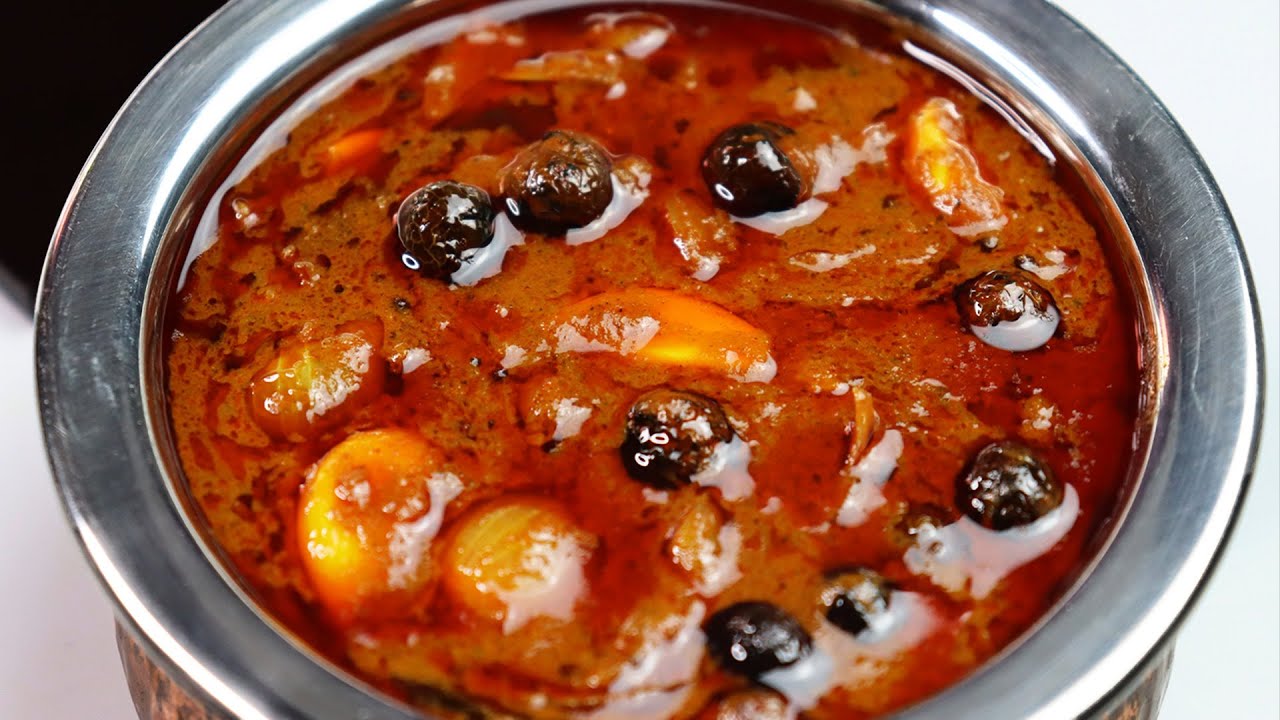
Arai Keerai Kadayal with Tamarind

Authentic South Indian Food Creator · Home Chef

Rate this recipe
Arai Keerai Kadayal is a beloved traditional Tamil dish made from amaranth leaves, one of the most commonly used greens in South Indian kitchens. Known as arai keerai in Tamil, this humble green has deep roots in Tamil culinary tradition and has been cooked in village homes for generations. The kadayal style refers to the mashing technique used during cooking, which creates a thick, comforting texture that pairs beautifully with hot steamed rice. This dish belongs to the heart of everyday Tamil home cooking.
Tamil families absolutely love this dish because it brings together simple ingredients that are almost always available at home. Mothers and grandmothers across Tamil Nadu make keerai kadayal on busy weekday afternoons when they want something nutritious, filling, and quick. While it is not tied to a specific festival, it is very much the soul food of Tamil households, often made during the cooler months when fresh greens are abundant at the local market. Children grow up eating this dish and carry the memory of its earthy, tangy flavor throughout their lives.
What makes this particular version extra special is the addition of tamarind, which gives the kadayal a lovely tangy depth that balances the natural earthiness of the amaranth leaves. Combined with garlic, green chillies, and ripe tomatoes, this recipe bursts with bold South Indian flavors. For best results, always use fresh arai keerai and do not overcook the greens after adding tamarind, as this preserves both the vibrant color and the nutritional value. Serve it hot with rice and a drizzle of sesame oil for a truly authentic Tamil experience.
Looking for more curry recipes? Browse all vegetarian recipes →
Ingredients(12 items)
Instructions
💡 Tap a step to mark it doneWash the arai keerai (amaranth leaves) thoroughly under running water two to three times to remove all dirt and grit. Separate the tender stems and leaves, discarding any tough or yellowed portions. Drain the washed greens in a colander and set aside.
Soak the tamarind in half a cup of warm water for about 10 minutes. Once softened, squeeze the tamarind well with your fingers to extract all the pulp and juice. Strain the tamarind water through a sieve to remove seeds and fibers, and set the extracted juice aside.
Heat 2 tablespoons of sesame oil in a wide pan or kadai over medium flame. Once the oil is hot, add the mustard seeds and let them splutter completely. Then add the urad dal and dry red chilli, stirring continuously until the dal turns golden brown and aromatic.
Add the curry leaves to the pan and let them crackle for a few seconds. Now add the crushed garlic cloves and slit green chillies. Sauté on medium heat for about 2 minutes until the garlic turns light golden and releases its aroma. Do not let the garlic burn.
Add the roughly chopped tomatoes to the pan along with turmeric powder and salt. Mix well and cook on medium heat for 4 to 5 minutes, stirring occasionally, until the tomatoes become completely soft, mushy, and the oil begins to separate from the mixture.
Add the cleaned arai keerai leaves and tender stems to the pan. Mix everything together well so the greens are coated with the tomato and spice mixture. Cook on medium heat for 3 to 4 minutes, stirring frequently, until the leaves wilt down completely and reduce in volume.
Pour the extracted tamarind juice into the pan and stir well to combine with the greens. Cook on medium heat for another 4 to 5 minutes, allowing the raw smell of the tamarind to disappear and the mixture to thicken slightly. Taste and adjust salt at this stage.
Now use a wooden spoon or the back of a ladle to gently mash the cooked keerai mixture directly in the pan. You do not need to make it completely smooth — a coarsely mashed texture with some pieces intact gives this dish its authentic kadayal character. Stir everything together.
Let the kadayal cook for one final minute on low heat, stirring gently to ensure nothing sticks to the bottom of the pan. The consistency should be thick and saucy, not watery. Switch off the flame. Drizzle a few drops of fresh sesame oil on top before serving for extra flavor.
Serve the hot Arai Keerai Kadayal immediately with steamed white rice. It also pairs wonderfully with a dollop of ghee on top of the rice. Pappad or a simple rasam on the side makes this a complete and satisfying traditional Tamil meal.
Tips and Tricks
- Always use sesame oil (nallennai) for tempering this dish instead of refined oil — it adds a deep, nutty South Indian flavor that is completely authentic and elevates the entire dish beautifully.
- Do not overcook the keerai after adding tamarind, as prolonged cooking destroys the natural green color and reduces the nutritional value of the amaranth leaves. Five to six minutes after adding tamarind is sufficient.
- If you prefer a smoother consistency, you can use a traditional stone pestle or a hand blender to mash the kadayal further after cooking — this is especially loved by young children and makes the dish even easier to mix with rice.
⚠️ Nutrition values could not be verified for this recipe. Please check manually.
Related Tags