Beetroot Kootu

Authentic South Indian Food Creator · Home Chef

Rate this recipe
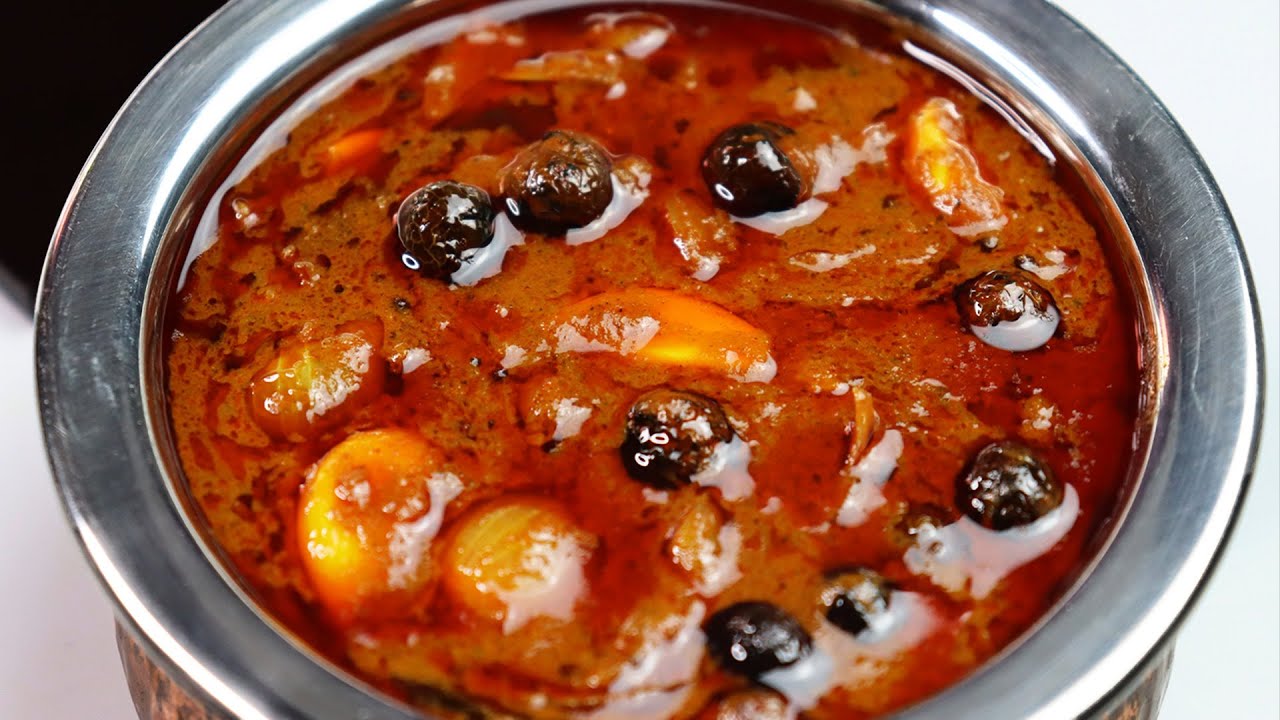
Beetroot Kootu is a beloved South Indian dish that beautifully combines tender beetroot with cooked lentils and a freshly ground coconut spice paste. Kootu, meaning 'to add' in Tamil, refers to this classic style of cooking vegetables together with dal and coconut masala. This vibrant ruby-red dish is a staple in Tamil Nadu households and reflects the heart of traditional Tamil cooking where humble vegetables are transformed into deeply nourishing and flavourful meals enjoyed every single day.
Tamil families absolutely adore Beetroot Kootu for its naturally sweet earthy flavour, gorgeous colour, and wholesome nutrition. It is a regular feature on the lunch menu served alongside steamed rice, rasam, and sambar. Many families prepare this dish during auspicious occasions, temple festivals, and even as part of the traditional Tamil wedding feast spread. Children are often introduced to beetroot through this mildly spiced, coconut-rich kootu because it is so naturally sweet and beautifully colourful on the plate, making mealtimes joyful.
What makes this Beetroot Kootu recipe truly special is the freshly ground coconut and cumin paste that brings everything together with an irresistible aroma and creamy texture. The trick to a perfect kootu is cooking the beetroot just right so it stays slightly firm and does not become mushy. Always use fresh coconut for the best flavour, and do not skip the mustard seed and curry leaf tempering at the end as it adds that signature Tamil Nadu finishing touch that makes this dish completely irresistible.
Looking for more curry recipes? Browse all vegetarian recipes →
Ingredients(17 items)
Instructions
💡 Tap a step to mark it doneWash the chana dal and toor dal together thoroughly under running water. Soak them in enough water for 20 minutes. This helps them cook faster and become soft without turning mushy.
Pressure cook the soaked dal with 1/2 cup water and a pinch of turmeric for 2 whistles on medium flame. The dal should be cooked but still hold its shape, not completely mashed. Set aside.
Peel the beetroot and dice it into small even cubes of about 1 cm size. Even cutting ensures uniform cooking. Wear gloves if needed as beetroot stains your hands easily.
In a pan or kadai, add the diced beetroot with 1/2 cup water, turmeric powder, and salt. Cover and cook on medium flame for 10 to 12 minutes until the beetroot is just tender and cooked through but not falling apart.
While the beetroot cooks, prepare the coconut masala paste. In a blender or mixie jar, add fresh grated coconut, 2 dry red chillies, 1 teaspoon cumin seeds, and black pepper. Grind to a smooth thick paste using very little water.
Once the beetroot is cooked and the water has mostly reduced, add the cooked dal into the same pan with the beetroot. Mix gently and cook together on low flame for 2 minutes allowing the flavours to combine.
Add the freshly ground coconut masala paste to the beetroot and dal mixture. Stir well to combine everything evenly. Add a splash of water if the kootu looks too thick. Cook on low flame for 4 to 5 minutes stirring occasionally until the raw smell of coconut is gone.
Taste and adjust salt as needed. The kootu should have a thick consistency that is neither too dry nor too watery. It should coat the back of a spoon lightly. Turn off the flame and keep aside.
Prepare the tempering. Heat coconut oil in a small tempering pan over medium heat. Add mustard seeds and let them splutter completely. Then add urad dal and fry until it turns golden brown.
Add the dry red chilli, curry leaves, and a pinch of asafoetida to the tempering pan. Fry for just 20 seconds until aromatic. Pour this sizzling tempering immediately over the prepared beetroot kootu and mix gently. Serve hot.
Tips and Tricks
- Always use fresh coconut for the grinding paste rather than desiccated coconut as it gives a much creamier texture and authentic flavour to the kootu.
- Do not overcook the beetroot as it will lose its beautiful vibrant colour and become dull. Cook it just until tender to keep the colour bright and the texture pleasant.
- Coconut oil is highly recommended for the tempering as it gives an authentic Tamil Nadu flavour. If unavailable, use sesame oil as the next best option for a similar traditional taste.
⚠️ Nutrition values could not be verified for this recipe. Please check manually.
Related Tags