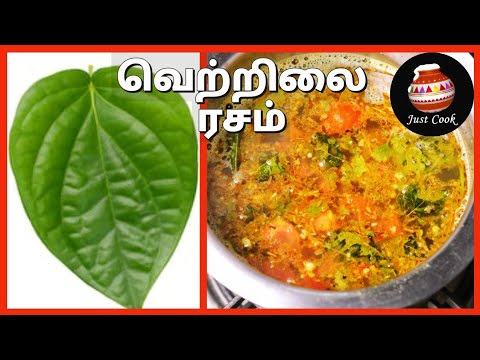
Betel Leaves Rasam (Vethalai Rasam)

Authentic South Indian Food Creator · Home Chef
Rate this recipe
Betel Leaves Rasam, known as Vethalai Rasam in Tamil, is a treasured traditional recipe from the heart of Tamil Nadu kitchens. Rasam itself is a soul-warming thin soup made with tamarind, tomatoes, and spices, and adding betel leaves gives it an extraordinary herbal depth. Betel leaves, known as vethalai in Tamil, have been used in South Indian cooking and Ayurvedic medicine for centuries, prized for their rich content of Vitamin C, calcium, and natural antioxidants that support digestion and immunity. This rasam is a beautiful bridge between health and flavour.
Tamil families adore this rasam especially during the cooler months, rainy seasons, or whenever someone at home feels under the weather. It is lovingly prepared by grandmothers and mothers as a quick remedy for colds, coughs, and digestive troubles. Because betel leaves have a mild peppery warmth, kids often cannot tell the difference between this and a regular pepper rasam, making it a clever way to sneak in nutrition. It is commonly made on ordinary weekday evenings alongside rice and a simple side dish, bringing everyday comfort to the dining table.
What makes this recipe truly special is how minimal and pantry-friendly it is. You only need a handful of fresh betel leaves and basic rasam ingredients you already have at home. The key to a great Vethalai Rasam is using fresh tender betel leaves and allowing the rasam to boil just enough to bloom the spices without overcooking the greens. Serve it steaming hot as a soup or pour it over fluffy white rice with a spoon of ghee for the most comforting South Indian meal.
Looking for more dinner recipes? Browse all vegetarian recipes →
Ingredients(16 items)
Instructions
💡 Tap a step to mark it doneWash the betel leaves thoroughly under running water. Stack them together and roughly tear or chop them into small pieces. Set aside. Soak the tamarind in one cup of warm water for 10 minutes, then squeeze and extract the juice, discarding the pulp and fibres.
In a blender or mixie, add the chopped betel leaves, roughly chopped tomatoes, crushed garlic, black pepper, and cumin seeds. Add a splash of water and grind everything together into a smooth paste. This combined paste forms the flavour base of your rasam.
Heat a deep saucepan or rasam pot over medium flame. Add the tamarind extract and bring it to a gentle simmer. Add turmeric powder, rasam powder, and salt. Let this cook for about 5 minutes until the raw tamarind smell disappears and the mixture darkens slightly.
Add the ground betel leaf and tomato paste into the simmering tamarind water. Stir well to combine everything evenly. Add 2 to 3 more cups of water depending on how thin you prefer your rasam. Mix thoroughly and let it come to a boil on medium-high heat.
Once the rasam starts to boil and froth rises to the top, reduce the flame to low. Let it simmer gently for 5 to 7 minutes. You will notice the beautiful aroma of betel leaves and spices filling your kitchen. Do not boil it too aggressively as it can make the rasam bitter.
Prepare the tempering in a small tadka pan. Heat ghee or oil over medium flame. Add mustard seeds and let them splutter. Then add dry red chillies, curry leaves, and a generous pinch of asafoetida. Let the tempering sizzle for 30 seconds until aromatic.
Pour the hot tempering directly into the simmering rasam. Stir gently and let everything combine together for one minute. Turn off the flame. Add freshly chopped coriander leaves on top and give a final gentle stir. Your Vethalai Rasam is ready to serve.
Serve the Betel Leaves Rasam piping hot as a light soup in a cup, or ladle it generously over steamed white rice accompanied by a small spoon of ghee and a papad on the side. It pairs beautifully with a simple potato fry or any dry vegetable side dish.
Tips and Tricks
- Always use fresh, tender betel leaves for the best flavour and aroma. Older or very large betel leaves can taste too strong and slightly bitter in the rasam.
- Do not skip the garlic in this recipe. Garlic balances the sharp herbal taste of betel leaves and adds wonderful depth and warmth to the rasam.
- For a thinner, lighter soup-style rasam, increase the water quantity. For a stronger medicinal version during cold or cough, reduce the water and increase the black pepper slightly.
⚠️ Nutrition values could not be verified for this recipe. Please check manually.
Related Tags