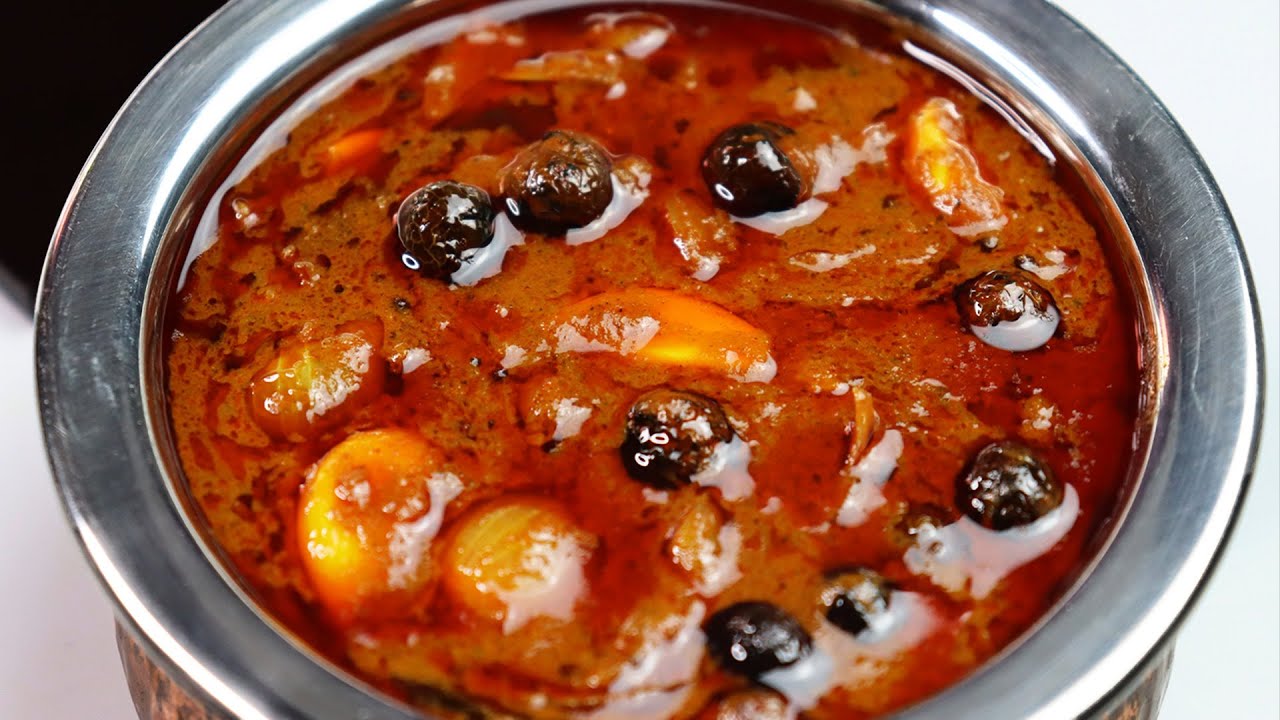
Black Chickpea Kurma for Idli and Dosa

Authentic South Indian Food Creator · Home Chef

Rate this recipe
Black Chickpea Kurma, known as Kala Kondakadalai Kurma in Tamil, is a beloved South Indian side dish with deep roots in Tamil Nadu's rich culinary tradition. Made with earthy black chickpeas simmered in a fragrant coconut-based gravy, this kurma carries the warmth of whole spices, the richness of ground coconut paste, and the heartiness of protein-packed legumes. It is a dish that has been passed down through generations, gracing Tamil kitchen tables with its golden color and irresistible aroma every single morning.
Tamil families absolutely adore this kurma because it transforms a simple idli or dosa breakfast into a deeply satisfying and complete meal. On weekends, when the whole family gathers for a leisurely breakfast, amma or paati will often prepare this kurma alongside soft idlis and crispy dosas. It is also a popular choice during festive mornings like Pongal, Karthigai Deepam, and even during temple prasadam preparation. The richness of the kurma makes every bite feel like a celebration, and children and elders alike reach for seconds without hesitation.
What makes this recipe truly special is how the humble black chickpea becomes luxuriously creamy when cooked with freshly ground coconut, poppy seeds, and aromatic spices. The key to the best results is soaking the chickpeas overnight for a tender texture and using fresh coconut for a naturally sweet, velvety gravy. This recipe comes together beautifully even on busy mornings if you plan ahead, and the flavors only deepen over time, making leftovers just as wonderful the next day.
Looking for more curry recipes? Browse all vegetarian recipes →
Ingredients(21 items)
Instructions
💡 Tap a step to mark it doneRinse the soaked black chickpeas thoroughly under cold water. Add them to a pressure cooker with 2 cups of water and a pinch of salt. Pressure cook on medium heat for 5 to 6 whistles until the chickpeas are completely soft and cooked through. Set aside and do not discard the cooking water, as you will use it in the gravy for extra flavor.
Prepare the coconut paste by adding the grated fresh coconut, poppy seeds, cashews, and fennel seeds to a small blender jar. Add 3 to 4 tablespoons of water and grind into a very smooth, thick paste. This paste is the heart of the kurma and gives it its signature creamy texture. Set the paste aside until needed.
Heat oil in a wide kadai or heavy-bottomed pan over medium heat. Once the oil is hot, add the cinnamon stick, cardamom pods, cloves, and bay leaf. Let them sizzle for about 30 seconds until aromatic. Then add the curry leaves and green chilies and fry for another 20 seconds, being careful of any spluttering.
Add the finely chopped onions to the pan. Sauté on medium heat, stirring occasionally, until the onions turn golden brown and soft, which should take about 7 to 8 minutes. Do not rush this step as properly caramelized onions build the base flavor of the kurma. Add the ginger garlic paste and cook for 2 more minutes until the raw smell disappears.
Add the chopped tomatoes to the pan and cook on medium heat, stirring occasionally, until they become completely soft and mushy and the oil begins to separate from the mixture. This takes about 5 to 6 minutes. The tomatoes should lose their raw smell and form a thick masala base with the onions.
Add the turmeric powder, red chili powder, and coriander powder to the onion-tomato masala. Mix well and cook the spices on low heat for 2 minutes, stirring continuously so the spices do not burn. This step blooms the spices and gives the kurma its beautiful color and deep flavor.
Add the cooked black chickpeas along with their reserved cooking water to the masala. Stir everything well to combine. Bring the mixture to a gentle boil on medium heat. Taste at this point and adjust salt and spice levels as needed before adding the coconut paste.
Lower the heat and add the freshly ground coconut-poppy seed paste to the kurma. Stir gently and mix until the paste is fully incorporated into the gravy. Add a little extra water if the kurma is too thick, keeping in mind it should have a medium-thick consistency that coats the back of a spoon.
Allow the kurma to simmer on low heat for 8 to 10 minutes, stirring occasionally. This slow simmering allows all the flavors to meld together beautifully and the coconut paste to cook through completely, removing any raw taste. The oil will begin to float gently on the surface, indicating the kurma is ready.
Turn off the heat and garnish generously with freshly chopped coriander leaves. Serve the hot black chickpea kurma alongside soft idlis, crispy dosas, or even with parotta and chapati. For best results, serve immediately while the kurma is steaming hot and the aroma is at its peak.
Tips and Tricks
- Always soak the black chickpeas for a minimum of 8 hours or overnight. This not only reduces cooking time in the pressure cooker but also makes the chickpeas easier to digest and gives them a wonderfully soft, creamy texture inside without losing their shape in the curry.
- For the richest and most authentic flavor, always use fresh grated coconut rather than desiccated or frozen coconut. Fresh coconut adds a natural sweetness and silky texture to the kurma gravy that simply cannot be replicated with other forms of coconut.
- If you prefer a thinner, more flowing kurma that soaks beautifully into idli, add an extra half cup of warm water after the coconut paste is added and simmer for a few more minutes. For a thicker kurma that pairs better with dosa, reduce the water and cook it down slightly longer.
⚠️ Nutrition values could not be verified for this recipe. Please check manually.
Related Tags