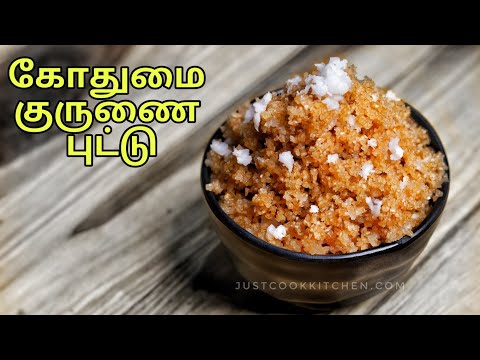
Broken Wheat Puttu (Samba Rava Puttu)

Authentic South Indian Food Creator · Home Chef
Rate this recipe
Broken Wheat Puttu, known as Samba Rava Puttu or Godhumai Kurunai Puttu in Tamil, is a wholesome and deeply nourishing South Indian breakfast dish. Made from coarsely ground whole wheat, this puttu is steamed to perfection inside a traditional puttu maker or cylindrical mold, layered with fresh grated coconut. Rooted in Tamil Nadu's culinary heritage, this dish brings together the earthy goodness of samba wheat with the simple elegance of South Indian breakfast traditions passed down through generations of Tamil households.
Tamil families absolutely love Broken Wheat Puttu because it strikes the perfect balance between health and comfort. It is a dish that mothers prepare on busy weekday mornings when they want something quick, filling, and nutritious for the whole family. Unlike rice-based puttu, the wheat version keeps you full for longer, making it especially popular for school-going children and working adults. It is also served during simple family gatherings, Sunday morning breakfasts, and even during festive seasons when light, wholesome food is preferred alongside heavier celebration meals.
What makes this recipe truly special is how incredibly easy it is to prepare at home with minimal ingredients. The key to a perfect Broken Wheat Puttu lies in moistening the wheat rava to just the right consistency — not too wet, not too dry — so it steams into a light, crumbly, and perfectly textured puttu. Pair it with ripe banana, jaggery, or a bowl of warm kadala curry for a complete and satisfying South Indian breakfast experience that the whole family will love.
Looking for more breakfast recipes? Browse all vegetarian recipes →
Ingredients(5 items)
Instructions
💡 Tap a step to mark it doneTake 2 cups of broken wheat (samba rava) in a wide mixing bowl. Lightly dry roast it in a pan over medium heat for 3 to 4 minutes, stirring continuously, until you get a warm nutty aroma. This step removes any raw smell and improves the texture. Remove from heat and allow it to cool completely before proceeding.
Once cooled, add 1/2 teaspoon of salt to the roasted broken wheat and mix well. Now, sprinkle water little by little — about 1/3 to 1/2 cup total — and mix with your fingers as you go. The goal is to moisten the wheat evenly so that when you press a handful tightly in your fist, it holds its shape but crumbles apart easily when you release pressure. Do not make it too wet.
Let the moistened broken wheat rest for 5 to 7 minutes. This resting time allows the wheat to absorb the water evenly and ensures the puttu steams to a perfectly light and crumbly texture. After resting, crumble any lumps gently with your fingers so the mixture remains loose and sandy in consistency.
Fill your puttu maker or puttu cylindrical mold layer by layer. Start by placing the perforated disc at the bottom of the cylinder. First, add a layer of fresh grated coconut (about 2 tablespoons), then add a generous layer of the moistened broken wheat mixture. Repeat these alternating layers of coconut and wheat rava until the cylinder is full. End with a layer of coconut on top.
Add water to the puttu pot (or a pressure cooker / large vessel that fits the puttu cylinder) and bring it to a rolling boil over high heat. Once steam is vigorously coming out, carefully attach the filled puttu cylinder on top of the pot. Steam the puttu on medium-high heat for 8 to 10 minutes until you see steam escaping freely from the top holes of the cylinder.
Once the puttu is fully steamed, carefully remove the cylinder from the pot. Use a long wooden skewer, spoon handle, or the puttu pusher to gently push the puttu out from the bottom of the cylinder onto a serving plate. The puttu will slide out in a beautiful cylindrical shape with lovely coconut layers. Serve immediately while hot.
Serve Broken Wheat Puttu hot alongside ripe banana, powdered jaggery, or a drizzle of coconut milk for a light breakfast option. For a more filling meal, pair it with warm kadala curry (black chickpea curry) or a simple coconut chutney. This puttu also tastes wonderful with a sprinkle of additional fresh grated coconut on top just before serving.
Tips and Tricks
- The water quantity is the most critical step — add water very gradually and test by pressing a handful. It should clump together but crumble when touched. Too much water will make the puttu dense and sticky instead of light and crumbly.
- Dry roasting the broken wheat before moistening it is highly recommended as it prevents the puttu from turning mushy during steaming and gives a wonderfully nutty aroma. Do not skip this step for best results.
- If you do not have a traditional puttu maker, you can use an idli pot with a small container that has holes poked in the bottom, or even steam it in small idli molds for individual round portions. The steaming method remains the same.
Nutrition Info (per serving)
AI Estimated Values per serving
Related Tags