Chicken Biryani in Dabara (Big Batch Tamil Style)

Authentic South Indian Food Creator · Home Chef
Rate this recipe
Chicken Biryani is the crown jewel of Tamil cuisine, a dish that carries centuries of culinary heritage passed down through generations of South Indian families. This version is made in a large dabara or patila, a wide-bottomed vessel traditionally used to cook large quantities of rice perfectly. The layered cooking technique used in Tamil Nadu results in fluffy, fragrant grains infused with the deep flavours of whole spices, fresh coconut milk, and slow-cooked chicken that falls tenderly off the bone.
For Tamil families, chicken biryani is more than just a meal — it is an emotion. Whether it is Eid, a wedding feast, a family reunion, or a Sunday afternoon gathering, the aroma of biryani simmering on the stove signals celebration and togetherness. Mothers and grandmothers across Tamil Nadu are known to make this dish in enormous batches to feed the entire extended family, and the recipe is often a closely guarded secret passed from one generation to the next with great love and pride.
What makes this particular recipe special is the use of the dabara vessel, which distributes heat evenly and prevents the rice from sticking or turning mushy — the most common problem home cooks face. Using aged basmati or seeraga samba rice, marinating the chicken overnight, and sealing the pot with dough for dum cooking are the three most important secrets to getting restaurant-quality biryani at home every single time. Follow these steps carefully and your family will ask for seconds without fail.
Looking for more biryani recipes? Browse all recipes →
Ingredients(30 items)
Instructions
💡 Tap a step to mark it doneWash and soak the seeraga samba or basmati rice in plenty of water for at least 30 minutes. This step is crucial to ensure the grains cook evenly and remain separate. After soaking, drain the water completely and set the rice aside.
Marinate the chicken pieces by mixing together curd, ginger paste, garlic paste, red chilli powder, coriander powder, turmeric powder, biryani masala, lemon juice, and salt. Coat the chicken thoroughly, cover and allow it to marinate for a minimum of 1 hour. Overnight marination in the refrigerator gives the best flavour.
Heat oil or ghee in your large dabara or heavy-bottomed vessel over medium-high flame. Once hot, add the whole spices — bay leaves, cinnamon, cloves, cardamom, star anise, kalpasi, and marathi mokku. Fry for 30 seconds until they release their aroma into the oil.
Add the thinly sliced onions to the pot. Fry on medium-high heat, stirring frequently, until they turn deep golden brown and caramelized. This should take about 12 to 15 minutes. Do not rush this step as the caramelized onions form the flavour base of the biryani.
Add the slit green chillies and chopped tomatoes. Mix well and cook until the tomatoes become completely soft and mushy, and the oil starts to separate from the masala. This takes about 7 to 8 minutes on medium flame.
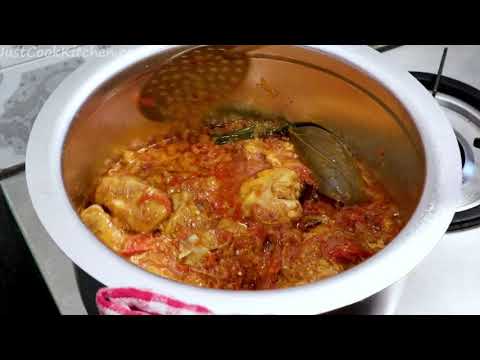
Add the marinated chicken pieces to the pot. Stir well to coat the chicken in the masala. Cook on high flame for 5 minutes stirring continuously, then reduce the heat to medium, cover and cook for 15 minutes until the chicken is 80 percent cooked and the masala has thickened nicely.
Add the coconut milk and half the fresh mint and coriander leaves to the chicken. Stir gently, check the salt, and allow the gravy to come to a gentle simmer. The gravy should be slightly thick at this stage. Spread the chicken and gravy evenly across the bottom of the pot.
In a separate large pot, bring 6 cups of water to a rolling boil. Add salt generously — the water should taste slightly salty like the sea. Add the soaked and drained rice to the boiling water. Cook the rice until it is 70 percent done, meaning the grain should still have a firm bite in the centre. Drain the rice immediately through a colander.
Layer the 70 percent cooked rice evenly over the chicken gravy in the dabara. Spread half the fried onions (birista), remaining fresh mint and coriander leaves over the rice layer. Drizzle the saffron-infused milk evenly over the top, followed by the ghee. This layering creates the signature look and flavour of a proper Tamil biryani.
Seal the dabara tightly using a tight-fitting lid. For best results, seal the edges with a rope of kneaded wheat flour dough to trap the steam inside completely. This is the traditional dum method. Place the pot on a high flame for 5 minutes, then reduce the heat to the lowest setting possible.
Place a flat iron tawa or griddle under the dabara if using a gas stove. This prevents direct heat from burning the bottom and distributes the heat gently. Allow the biryani to cook on dum (low heat) for 25 to 30 minutes. Do not open the lid during this time as the trapped steam is what cooks the rice to perfection.
After 30 minutes, switch off the flame and allow the biryani to rest undisturbed for another 10 minutes. This resting time allows the flavours to settle and the moisture to redistribute evenly. Gently open the lid, and using a wide flat spatula or ladle, carefully mix the biryani from the bottom up without breaking the rice grains. Serve hot with raita, brinjal curry, and onion salad.
Tips and Tricks
- Always cook the rice only to 70 percent doneness before layering — if the rice is fully cooked before dum, it will become mushy and lumpy inside the sealed pot. The remaining cooking happens gently through the trapped steam during the dum process.
- Using a flat iron tawa under the dabara during the dum cooking stage is the single most effective trick to prevent the bottom layer of rice from burning. It acts as a heat diffuser and mimics the gentle indirect heat of a traditional wood-fire kitchen.
- Seeraga samba rice is the traditional choice for Tamil Nadu style biryani and has a shorter, thicker grain with a natural fragrance that pairs beautifully with South Indian spices. If seeraga samba is unavailable, use aged basmati rice and reduce the soaking time to 20 minutes.
Related Tags