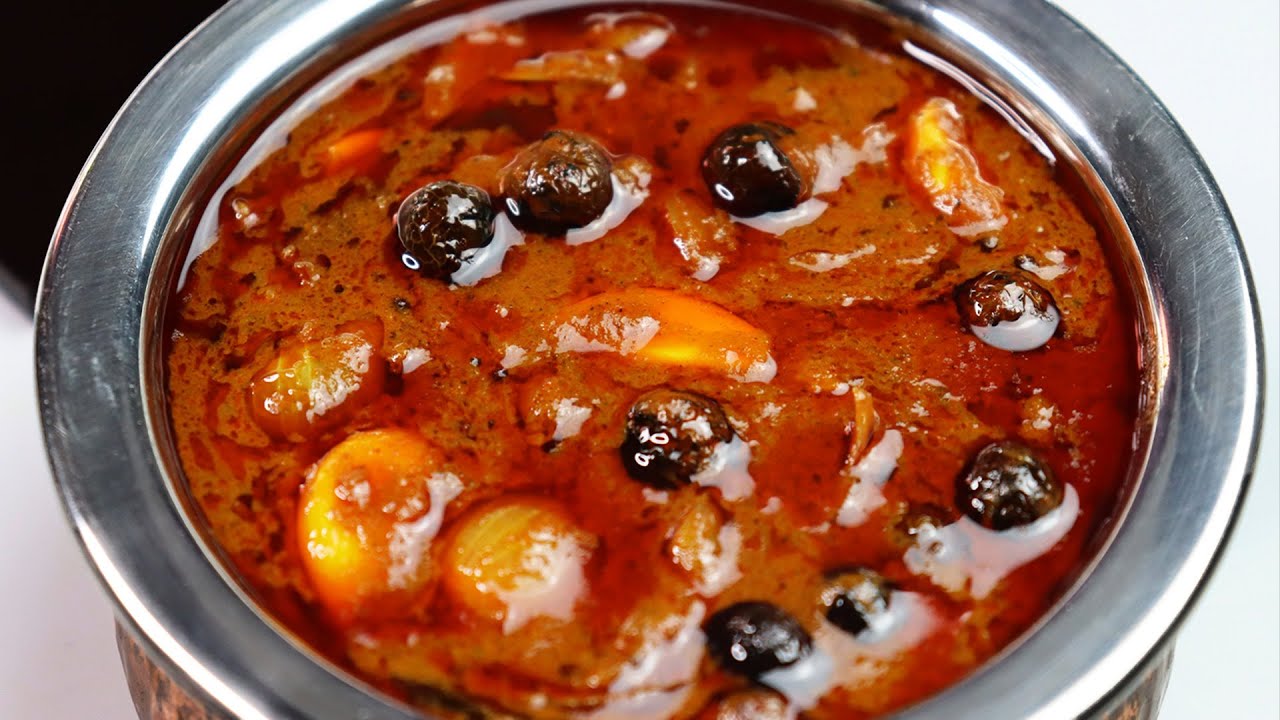
Drumstick and Potato Kurma Kulambu

Authentic South Indian Food Creator · Home Chef

Rate this recipe
Kurma Kulambu is a beloved South Indian curry that holds a very special place in Tamil cuisine. Unlike the fiery tamarind-based kuzhambus, kurma is a mildly spiced, coconut and cashew-rich gravy that brings a creamy, aromatic comfort to every plate. Rooted in the culinary traditions of Tamil Nadu, this dish draws influence from Mughal-era cooking yet has been beautifully adapted over generations to suit the Tamil palate, making it a truly unique fusion that feels both royal and homely at the same time.
Tamil families absolutely adore kurma kulambu because it pairs so perfectly with steamed white rice, chapati, and even idiyappam. It is a dish that appears proudly on the lunch table during weekends, family gatherings, and festive occasions like Pongal celebrations and temple feast days. Mothers and grandmothers across Tamil Nadu have their own treasured versions of this recipe, and making kurma at home fills the entire kitchen with the warm, comforting aroma of whole spices, fresh coconut, and slow-cooked vegetables that instantly brings the whole family to the table.
What makes this particular drumstick and potato kurma extra special is the combination of two vegetables that complement each other beautifully in both texture and taste. Drumstick adds an earthy, slightly bitter depth while potato gives the gravy a lovely body and creaminess. The freshly ground coconut masala paste is the heart of this recipe, so always use fresh coconut for the best flavour. Cook on low to medium flame to let the spices bloom fully and never rush the simmering stage, as that is where all the magic truly happens.
Looking for more curry recipes? Browse all vegetarian recipes →
Ingredients(24 items)
Instructions
💡 Tap a step to mark it doneBegin by preparing the coconut masala paste. In a blender jar, add the grated fresh coconut, cashew nuts, roasted chana dal, fennel seeds, and soaked poppy seeds. Add a little water and grind everything together into a very smooth, thick paste. Set this paste aside. This is the key to the creamy and rich kurma gravy, so ensure it is blended well with no coarse pieces remaining.
Heat oil in a heavy-bottomed pan or kadai over medium flame. Once the oil is hot, add the bay leaves, cinnamon stick, cloves, and cardamom pods. Let them splutter for about 30 seconds until they release their wonderful aroma into the oil. Then add the fennel seeds for tempering and let them sizzle for a few seconds.
Add the finely chopped onions and slit green chillies to the pan. Saute the onions on medium flame, stirring occasionally, until they turn golden brown and soft. This step is important as properly caramelised onions form the flavour base of the kurma. This will take about 6 to 8 minutes. Do not rush this step.
Add the ginger garlic paste to the browned onions. Mix well and cook on medium flame for about 2 minutes, stirring continuously, until the raw smell of the ginger garlic completely disappears and the mixture smells fragrant and cooked.
Add the finely chopped tomatoes to the pan. Mix everything together and cook on medium flame until the tomatoes turn completely soft and mushy and the oil begins to separate from the masala. This should take about 5 to 6 minutes. Mash the tomatoes lightly with the back of your spoon as they cook.
Now add the turmeric powder, red chilli powder, coriander powder, and salt to the pan. Mix the spice powders well into the onion tomato masala and cook for 2 minutes on medium low flame, stirring constantly so the spices do not burn. The masala should look thick and well coated with the oil.
Add the drumstick pieces and cubed potatoes into the masala. Toss them well so that all the vegetables are coated evenly with the spice mixture. Saute the vegetables in the masala for about 2 to 3 minutes on medium flame so they absorb all the beautiful flavours.
Pour in 1.5 to 2 cups of water and mix well. Bring the curry to a boil, then reduce the flame to medium low, cover the pan with a lid, and let the drumstick and potato cook until they are completely tender. This will take about 12 to 15 minutes. Check and stir occasionally, and add a little more water if needed.
Once the vegetables are fully cooked and tender, add the freshly ground coconut cashew masala paste to the curry. Mix it in gently and thoroughly. Add a little water at this stage to adjust the consistency of the gravy to your preference. Stir well to ensure the paste is fully incorporated into the curry.
Add the curry leaves and let the kurma simmer on low flame for 5 to 7 minutes, stirring occasionally. Do not boil vigorously after adding the coconut paste as it may cause the gravy to split. Taste the kurma and adjust the salt and spice levels as needed. Once the gravy thickens slightly and the raw smell of the coconut paste is gone, the kurma is ready.
Turn off the flame and garnish the drumstick and potato kurma kulambu generously with freshly chopped coriander leaves. Serve hot with steamed white rice, chapati, idiyappam, or parotta. The kurma tastes even better after resting for 10 minutes as the flavours settle and deepen beautifully.
Tips and Tricks
- Always use fresh grated coconut for grinding the masala paste instead of desiccated coconut. Fresh coconut gives the kurma its authentic creamy texture and natural sweetness that simply cannot be replicated with dried coconut.
- Soak the cashew nuts in warm water for 10 minutes before grinding if you want an even smoother and richer paste. This helps them blend more easily and creates a velvety, restaurant-style gravy at home.
- Never add the coconut masala paste on high flame as the coconut can curdle and the gravy will lose its smooth texture. Always lower the flame before adding the paste and simmer gently to keep the kurma creamy and well-blended.
⚠️ Nutrition values could not be verified for this recipe. Please check manually.
Related Tags