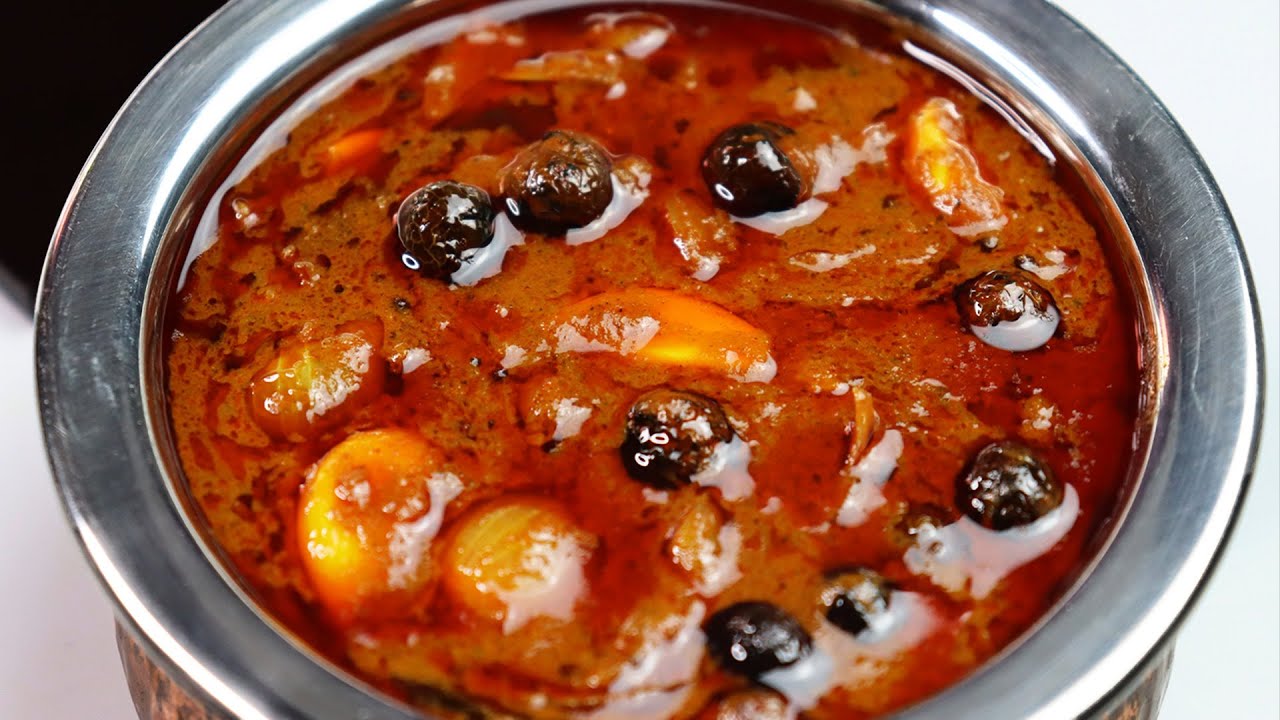
Egg Korma | Mutta Kurma | South Indian Egg Gravy

Authentic South Indian Food Creator · Home Chef

Rate this recipe
Egg Korma, known as Mutta Kurma in Tamil, is a rich and creamy South Indian gravy that holds a special place in Tamil Nadu's home cooking. Unlike the heavily spiced egg curries, this dish stands apart with its silky coconut and cashew base blended with aromatic whole spices. Rooted in the culinary traditions of Tamil Muslim and Tamil Brahmin kitchens, this korma carries a gentle warmth and depth of flavour that feels both comforting and celebratory at the same time.
Tamil families absolutely adore Mutta Kurma because it pairs beautifully with so many tiffin staples like soft chapati, fluffy poori, and crispy dosa. Mothers across Tamil Nadu prepare this dish on lazy Sunday mornings when the whole family gathers for a relaxed breakfast together. It also makes a popular appearance at engagement ceremonies, baby shower feasts, and festive brunches because it is quick to prepare in large quantities without compromising on taste. The golden-hued gravy never fails to impress guests at the dining table.
What makes this recipe truly special is the freshly ground coconut paste combined with whole spices like cinnamon, cloves, and fennel seeds that create an irresistible aroma the moment they hit the oil. Hard-boiled eggs are gently simmered in this velvety gravy, soaking up every bit of that incredible flavour. For best results, always fry the boiled eggs lightly in oil before adding them to the gravy so they develop a slightly firm outer layer that holds together beautifully. This is a dish that impresses every single time.
Looking for more curry recipes? Browse all recipes →
Ingredients(23 items)
Instructions
💡 Tap a step to mark it doneBoil the eggs in water for 10 minutes until hard-boiled. Once cooled, peel the shells and make 2 to 3 shallow slits on each egg with a knife. This helps the gravy flavour penetrate the eggs beautifully while cooking.
Heat 1 tablespoon of oil in a pan over medium heat. Add the peeled boiled eggs and gently fry them for 2 to 3 minutes, turning occasionally until they develop a light golden colour on the outside. Remove and set aside. This step gives the eggs a slightly firm texture so they hold their shape in the gravy.
Soak the cashew nuts and poppy seeds in 1/4 cup of warm water for 10 minutes. Then grind them together with the freshly grated coconut and a little water into a very smooth, thick paste. Set this paste aside as it will form the creamy base of the korma.
In the same pan, heat the remaining 2 tablespoons of oil over medium heat. Add the cinnamon stick, cloves, cardamom, bay leaf, and fennel seeds. Let them sizzle for about 30 seconds until fragrant. These whole spices are what give the korma its signature warm and aromatic flavour.
Add the finely sliced onions and curry leaves to the pan. Sauté on medium heat for 8 to 10 minutes, stirring frequently, until the onions turn soft, translucent, and lightly golden. Do not rush this step as well-cooked onions are key to a rich and flavourful gravy.
Add the ginger garlic paste and slit green chillies to the pan. Mix well and cook for 2 minutes on medium heat until the raw smell of the ginger garlic disappears completely and the mixture smells wonderfully fragrant.
Add the chopped tomatoes and cook on medium heat for 5 to 6 minutes, stirring occasionally, until the tomatoes turn completely soft and mushy and the oil begins to separate slightly from the mixture. This forms the flavourful base for the korma gravy.
Lower the heat and add the turmeric powder, red chilli powder, and coriander powder. Mix everything together well and cook the spice powders for 2 minutes, stirring continuously so they do not burn. The raw smell of the spices should disappear before moving to the next step.
Add the ground coconut cashew paste to the pan. Mix thoroughly with the onion tomato masala base. Cook this mixture on low to medium heat for 4 to 5 minutes, stirring constantly, until the paste is well incorporated and the raw coconut smell is completely cooked out.
Pour in 1 to 1.5 cups of water and add salt to taste. Stir everything together and bring the gravy to a gentle boil on medium heat. If you are using coconut milk for extra creaminess, add it now and stir gently. Adjust the consistency of the gravy to your preference by adding more water if needed.
Add the lightly fried eggs to the simmering gravy. Gently stir to coat the eggs with the gravy. Sprinkle in the garam masala powder and mix carefully without breaking the eggs. Cover the pan with a lid and simmer on low heat for 5 minutes so the eggs absorb all the wonderful flavours.
Turn off the heat and garnish with freshly chopped coriander leaves. Allow the korma to rest for 2 minutes before serving. Serve hot with chapati, poori, dosa, or plain white rice. The flavour deepens and becomes even better as it sits, making it perfect for meal prep.
Tips and Tricks
- Always lightly fry the boiled eggs in oil before adding them to the gravy. This simple step creates a thin outer layer on the eggs that prevents them from breaking apart in the gravy and also gives a lovely golden colour and slightly different texture that tastes incredible.
- For the smoothest and most authentic korma base, soak the cashews and poppy seeds in warm water for at least 10 minutes before grinding. Grind them together with the fresh coconut to an absolutely smooth paste with no grainy texture. This thick paste is what gives the gravy its signature creamy restaurant-style richness.
- Do not skip the whole spices at the beginning of cooking. Cinnamon, cloves, cardamom, and fennel seeds are the heart and soul of a proper South Indian korma. Temper them well in hot oil before adding the onions so their essential oils are fully released into the dish, creating that irresistible aroma.
⚠️ Nutrition values could not be verified for this recipe. Please check manually.
Related Tags