Egg Kuzhambu – South Indian Spicy Egg Curry

Authentic South Indian Food Creator · Home Chef

Rate this recipe
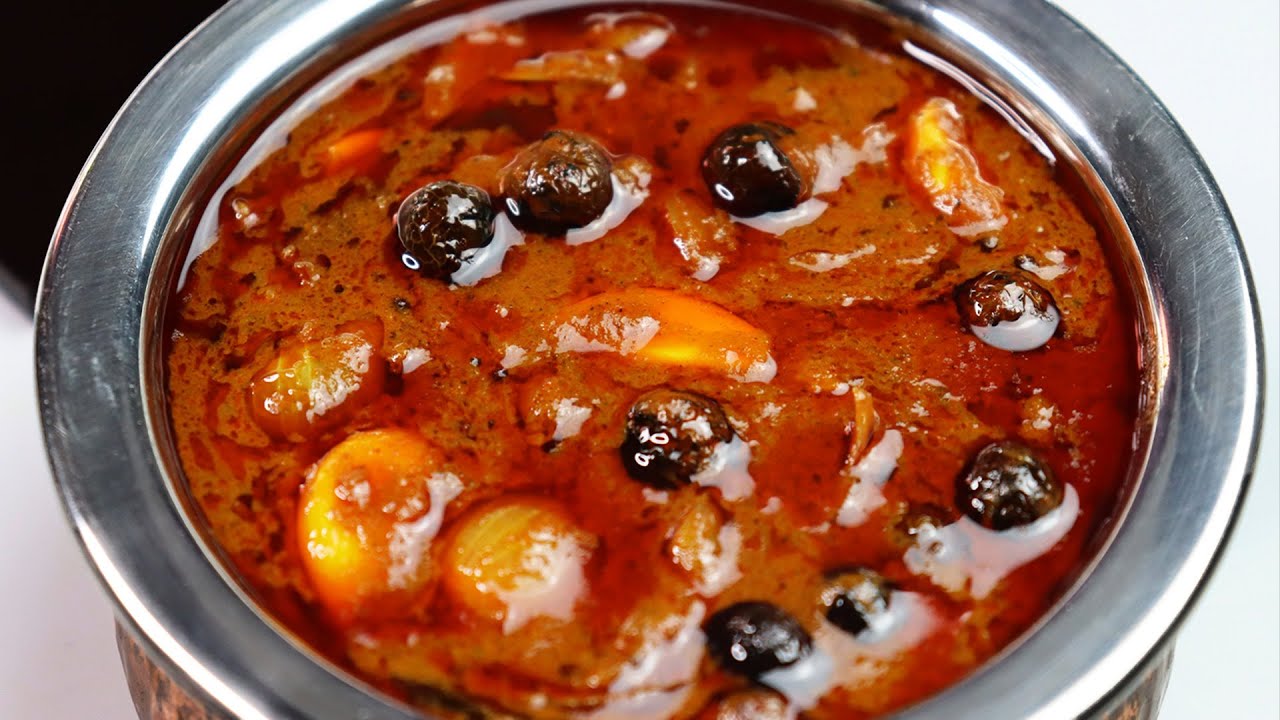
Egg Kuzhambu, known as Muttai Kulambu in Tamil, is a beloved South Indian egg curry that holds a cherished place in every Tamil home kitchen. Rooted deeply in the culinary traditions of Tamil Nadu, this dish is a thick, tangy, and aromatic gravy made with hard-boiled eggs simmered gently in a bold tamarind-based spiced sauce. It is a true representation of how simple, everyday ingredients can be transformed into something deeply satisfying and full of soul. Every region across Tamil Nadu has its own beloved variation of this classic kuzhambu.
Tamil families across generations have turned to Muttai Kulambu as their go-to comfort meal, especially on busy weekdays when time is short but the need for something hearty and wholesome is strong. It pairs beautifully with steaming hot white rice, making it a perfect lunch or dinner option. Many families also prepare this dish on Saturdays or during casual family gatherings as a quick protein-rich meal. Though not exclusively a festival dish, it frequently graces the dining table during school holidays when children are home and mothers want to cook something everyone will happily devour.
What makes this recipe truly special is its beautiful balance of tanginess from tamarind, warmth from freshly ground spices, and the richness of coconut milk that rounds everything together. The eggs absorb all the deep flavors of the kuzhambu when you let them rest in the gravy even after cooking. For best results, always shallow fry the boiled eggs in a little oil before adding them to the gravy. This small step creates a golden skin that holds beautifully in the curry and adds a wonderful texture to every bite.
Looking for more curry recipes? Browse all recipes →
Ingredients(19 items)
Instructions
💡 Tap a step to mark it doneSoak the tamarind in 1.5 cups of warm water for 10 minutes. Squeeze and extract the juice thoroughly, discarding the pulp and seeds. Set the tamarind water aside.
Gently score the surface of the peeled hard-boiled eggs with a knife by making 3 to 4 shallow slits. This helps the eggs absorb the flavors of the kuzhambu beautifully.
Heat 1 tablespoon of sesame oil in a pan over medium heat. Add the eggs and shallow fry them, turning gently, until they develop a light golden skin on all sides. Remove and set aside.
In the same pan, add the remaining 2 tablespoons of sesame oil. Once hot, add the mustard seeds and let them splutter. Then add the cumin seeds, dry red chilies, and curry leaves and sauté for 30 seconds.
Add the finely chopped onions and sauté on medium heat until they turn soft and golden brown, about 6 to 7 minutes. Stir frequently to prevent burning.
Add the ginger garlic paste and sauté for 2 minutes until the raw smell disappears completely and the mixture turns fragrant.
Add the finely chopped tomatoes along with a pinch of salt. Cook on medium heat, stirring occasionally, until the tomatoes soften completely and the oil begins to separate from the masala, about 5 minutes.
Lower the heat and add the turmeric powder, red chili powder, coriander powder, cumin powder, and black pepper powder. Mix everything together well and sauté for 1 to 2 minutes until the spices are cooked and aromatic.
Pour in the tamarind extract and add salt to taste. Stir well to combine everything. Bring the kuzhambu to a boil on medium-high heat, then reduce to a simmer and cook for 10 to 12 minutes until the raw tamarind smell cooks off and the gravy thickens slightly.
Add the thin coconut milk and stir gently. Simmer on low heat for 3 minutes. Do not boil vigorously after adding coconut milk as it may split.
Gently slide in the shallow-fried eggs into the kuzhambu. Spoon the gravy over the eggs and let them simmer together on low heat for 4 to 5 minutes so the eggs absorb all the wonderful flavors.
Taste and adjust salt or spice levels as needed. Garnish with freshly chopped coriander leaves and turn off the heat. Let the kuzhambu rest for 5 minutes before serving for deeper flavor.
Tips and Tricks
- Always use sesame oil (gingelly oil) for an authentic South Indian kuzhambu flavor – it adds a nutty depth that regular cooking oil simply cannot replicate.
- For a thicker, richer kuzhambu, let the gravy simmer uncovered a little longer before adding the eggs. If it becomes too thick, add a small splash of warm water to adjust consistency.
- The kuzhambu tastes even better the next day as the eggs absorb all the spices overnight, making it a perfect dish to prepare in advance for a weekend family meal.
⚠️ Nutrition values could not be verified for this recipe. Please check manually.
Related Tags