Eight Varieties of Vegetable Kootu and Thokku Recipes

Authentic South Indian Food Creator · Home Chef

Rate this recipe
Kootu is one of the most beloved and traditional dishes in Tamil cuisine, a beautiful semi-dry curry that combines cooked vegetables with freshly ground coconut and spices. Unlike a watery gravy or a completely dry poriyal, kootu sits perfectly in between, offering a thick, hearty texture that coats every grain of rice beautifully. Each region of Tamil Nadu has its own cherished variations, and vegetables like chow chow, pudalangai, cabbage, beetroot, and keerai all lend themselves wonderfully to this classic preparation.
Tamil families absolutely adore kootu because it is both nutritious and deeply comforting. It appears on the banana leaf during grand occasions like Pongal, Karthigai Deepam, weddings, and family get-togethers. Grandmothers across Tamil Nadu have their own signature kootu recipes passed down through generations, making it a dish filled with nostalgia and love. Whether served as part of a festive sadham spread or as a humble everyday lunch alongside rasam and rice, kootu always feels like home.
What makes this collection of eight kootu and thokku varieties so special is the versatility it brings to your kitchen. Using the same base technique with freshly grated coconut, cumin, and dried red chillies, you can create eight completely different flavours simply by changing the vegetable. The secret to a perfect kootu is cooking the vegetables just right — not too soft and not too firm — and allowing the coconut masala to blend and absorb into the vegetables beautifully. Temper with mustard seeds and curry leaves at the end for that irresistible aroma.
Looking for more curry recipes? Browse all vegetarian recipes →
Ingredients(22 items)
Instructions
💡 Tap a step to mark it doneSoak chana dal and toor dal together in water for 20 minutes. This helps them cook evenly alongside the vegetables and adds a wonderful nutty protein base to each kootu variety.
Prepare the coconut masala by dry roasting the dried red chillies for 30 seconds in a pan until slightly darkened. Then grind together fresh grated coconut, roasted red chillies, cumin seeds, and black pepper with a little water into a smooth yet slightly coarse paste. Set aside. This masala is the heart of all eight kootu varieties.
For Chow Chow Kootu: Pressure cook cubed chow chow with soaked dals, turmeric powder, and salt for 2 whistles. Open the cooker, add the ground coconut masala, mix well, and cook on medium flame for 5 minutes until the raw coconut smell disappears and the kootu thickens beautifully.
For Pudalangai Kootu: Cook chopped snake gourd in a pan with water, turmeric, and salt until soft. Add the soaked dals and cook further until dal is tender. Stir in the coconut masala and simmer on low flame for 5 to 6 minutes, stirring occasionally so it does not stick to the bottom.
For Cabbage Kootu: Lightly sauté the finely chopped cabbage in a teaspoon of oil for 2 minutes. Add cooked chana dal, turmeric, salt, and the coconut masala. Mix everything together and cook on medium heat for 4 to 5 minutes until the mixture comes together into a semi-dry kootu texture.
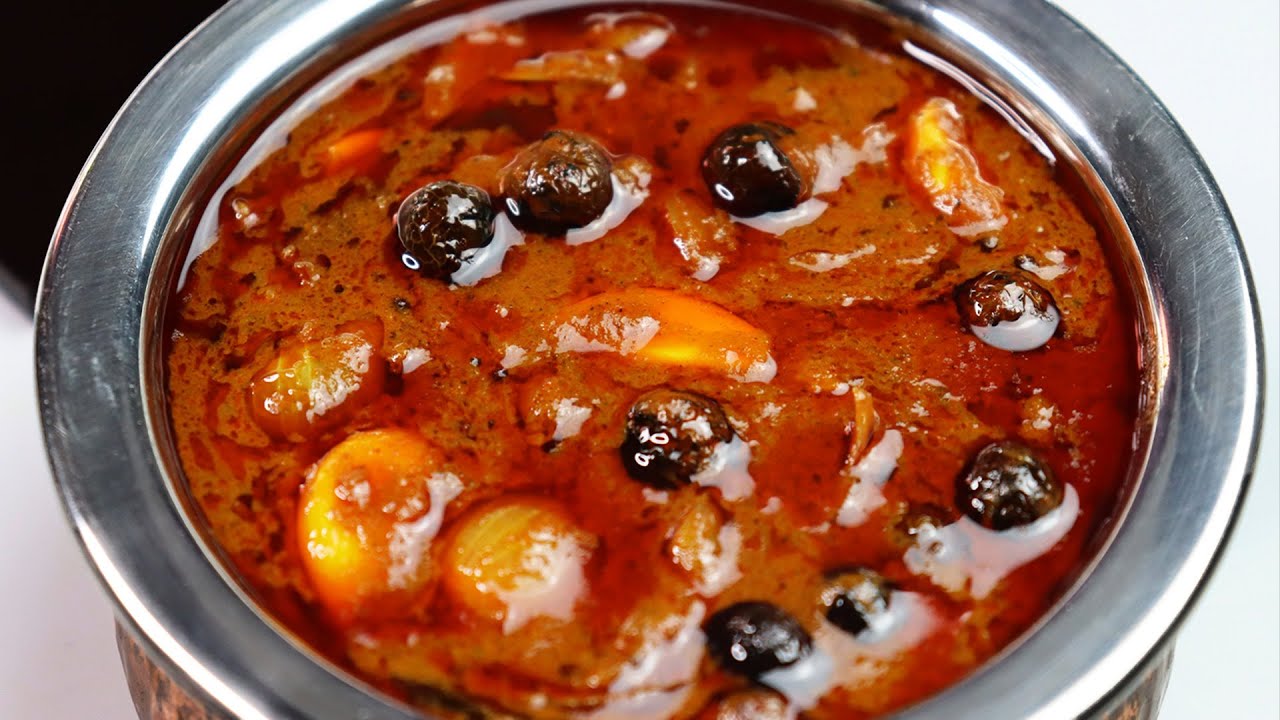
For Beetroot Thokku: Cook cubed beetroot with a little water, turmeric, and salt until completely soft. Mash it slightly with the back of a spoon. Add the coconut masala along with an extra dried red chilli for heat, and cook until the mixture is thick and glossy. This gives a vibrant deep red thokku.
For Poosanikkai Kootu: Pressure cook ash gourd cubes with soaked dals, turmeric, and salt for 1 whistle as it cooks faster. The ash gourd releases a lot of water so drain the excess before adding the coconut masala. Cook on medium flame for 5 minutes until the kootu is beautifully thick and creamy.
For Manathakkali Keerai Kootu: Wash the keerai leaves thoroughly in multiple changes of water. In a pan, cook the cleaned leaves with a splash of water, turmeric, and salt for 3 to 4 minutes until wilted and cooked. Add cooked toor dal and the coconut masala. Stir and cook for 4 minutes. This keerai kootu is known for its stomach-soothing properties.
For Vazhakkai Kootu: Pressure cook raw banana cubes with chana dal, turmeric, and salt for 2 whistles. The raw banana should be completely cooked but still hold its shape. Add the coconut masala, mix gently, and cook on medium flame for 5 minutes. This kootu pairs wonderfully with tamarind-based kuzhambu.
For Potato Kootu: Boil cubed potatoes until tender. In a pan, heat oil and add the boiled potatoes, cooked chana dal, turmeric, salt, and the ground coconut masala. Toss everything together and cook on medium heat for 5 to 6 minutes until the masala coats the potatoes well and the mixture is semi-dry.
Prepare the tempering for all kootu varieties: Heat coconut oil or sesame oil in a small tempering pan. Add mustard seeds and wait for them to splutter. Add urad dal and fry until golden. Add curry leaves and a pinch of asafoetida. Let it sizzle for a few seconds and pour this fragrant tempering immediately over each kootu. This final step elevates the entire dish.
Serve all kootu varieties hot alongside steamed white rice, rasam, sambar, and papad for a complete and satisfying South Indian meal. Each variety has a distinct colour, texture, and flavour making the spread visually stunning and incredibly delicious for the whole family.
Tips and Tricks
- Always grind the coconut masala fresh for the best flavour. Stale or leftover coconut paste can make the kootu taste sour. Using freshly grated coconut rather than desiccated coconut makes a tremendous difference in taste and texture.
- Do not overcook the vegetables before adding the coconut masala. The vegetables should be just cooked through and holding their shape. Overcooked mushy vegetables will result in a kootu that lacks texture and looks unappealing.
- Adding a small piece of raw mango or a teaspoon of tamarind water to koorai keerai or pudalangai kootu gives a lovely mild tang that balances the richness of the coconut masala beautifully. This is a traditional Tamil grandmother tip worth trying.
⚠️ Nutrition values could not be verified for this recipe. Please check manually.
Related Tags