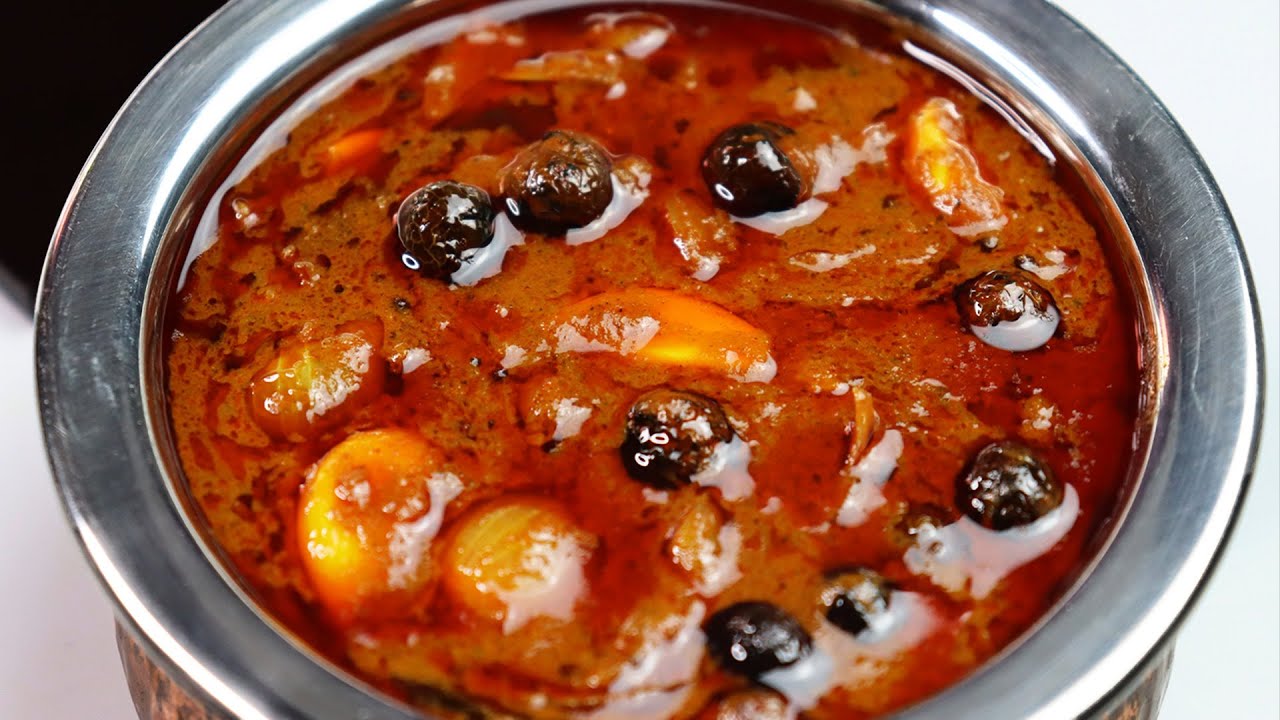
Ennai Kathirikai Kulambu (Oil-Roasted Brinjal Gravy)

Authentic South Indian Food Creator · Home Chef

Rate this recipe
Ennai Kathirikai Kulambu is a beloved traditional South Indian Tamil curry where tender baby brinjals are slow-cooked in generous amounts of fragrant sesame oil, bathed in a rich tamarind-based gravy. The word 'ennai' itself means oil in Tamil, telling you exactly what makes this dish so irresistible. Originating from the kitchens of Tamil Nadu, this kulambu has deep roots in Chettinad and village-style cooking traditions where bold spices and slow cooking are the soul of every meal.
Tamil families absolutely adore Ennai Kathirikai Kulambu because it carries the warmth of home and the memory of grandmother's kitchen. It is commonly prepared on weekends when families gather for a leisurely lunch, and it finds a special place on festival menus like Karthigai Deepam, Aadi Perukku, and family celebration feasts. Paired with steaming hot rice and a dollop of ghee, this kulambu transforms an ordinary meal into something truly memorable. The aroma alone is enough to bring everyone rushing to the dining table.
What makes this recipe truly special is the combination of freshly ground coconut and cumin paste, which adds a creamy depth and balances the tanginess of tamarind beautifully. The key to the best results lies in using good quality gingelly oil and not rushing the cooking process — let those brinjals absorb every drop of flavor. Always slit the baby brinjals without breaking them fully so they hold their shape while soaking up the masala. With a few simple pantry staples, you can bring this authentic Tamil classic to your table any day of the week.
Looking for more curry recipes? Browse all vegetarian recipes →
Ingredients(18 items)
Instructions
💡 Tap a step to mark it doneWash the baby brinjals thoroughly. Make two deep cross slits at the base of each brinjal going up about three-quarters of the way, keeping the stem intact so they hold their shape during cooking. This allows the masala and oil to penetrate deep inside while the brinjal stays whole.
Prepare the coconut-cumin paste by blending 3 tablespoons of fresh grated coconut with 1 teaspoon of cumin seeds and about half a cup of water in a mixer until you get a smooth, creamy paste. Set this aside as it will be added toward the end of cooking to thicken and enrich the gravy.
Extract tamarind water by soaking the lemon-sized ball of tamarind in 1.5 cups of warm water for 10 minutes. Squeeze it well with your fingers, strain out the pulp and seeds, and keep the thick tamarind extract ready. This forms the tangy base of the kulambu.
Heat 4 tablespoons of sesame oil in a wide, heavy-bottomed pan or kadai over medium heat. Once the oil is hot and fragrant, gently place the slit baby brinjals into the oil. Pan-fry them on all sides for about 6 to 8 minutes, turning carefully, until the skin blisters and the brinjals turn slightly golden and soft. Remove and set aside.
In the same pan with the remaining oil, add mustard seeds and let them splutter. Add cumin seeds, dry red chillies, and fresh curry leaves. Let them crackle for 30 seconds to release their aroma into the oil. This tempering is what gives the kulambu its beautiful base fragrance.
Add the finely chopped onions to the pan and sauté on medium heat for 6 to 7 minutes until they turn golden brown and soft. Stir occasionally to prevent burning. Add the ginger garlic paste and cook for another 2 minutes until the raw smell disappears completely.
Add the chopped tomatoes to the pan and cook on medium heat for 4 to 5 minutes, stirring well, until they break down completely and the oil begins to separate from the masala. This step is important — fully cooked tomatoes give the gravy a rich, deep color and balanced flavor.
Add turmeric powder, red chilli powder, and coriander powder to the cooked tomato-onion masala. Mix well and cook the spice powders on medium-low heat for 2 minutes, stirring constantly, so the raw smell of the spices cooks out and the masala becomes fragrant and dark.
Pour in the tamarind extract and add salt to taste. Stir everything together well. Increase the heat to medium and bring the gravy to a boil. Let it boil for 5 minutes, then gently slide the pan-fried brinjals back into the kulambu. Reduce heat to low and simmer for 10 minutes so the brinjals absorb all the tamarind and spice flavors.
Add the freshly ground coconut-cumin paste to the simmering kulambu and mix gently without breaking the brinjals. Cook for another 5 to 6 minutes on low heat, allowing the coconut paste to cook through and the gravy to thicken to a beautiful, glossy consistency. Taste and adjust salt and tamarind as needed.
Drizzle a final teaspoon of sesame oil over the top, garnish generously with fresh coriander leaves, and switch off the flame. Allow the kulambu to rest for 5 minutes before serving. This resting time allows all the flavors to settle and deepen beautifully, making the kulambu even more delicious.
Tips and Tricks
- Always use gingelly (sesame) oil for authentic flavor — regular cooking oil simply cannot replicate the nutty, earthy aroma that makes Ennai Kathirikai Kulambu so special. Do not substitute it.
- Choose small, tender baby brinjals that are firm to the touch with no soft spots. Smaller brinjals cook faster, hold their shape better, and have fewer seeds, giving you a silkier texture in every bite.
- Do not rush the tamarind cooking stage. Let the tamarind boil well in the masala before adding the brinjals — this removes the raw sour taste and mellows the tanginess into a deep, rounded flavour that defines a great kulambu.
Related Tags