Five Types of Keerai Kulambu – South Indian Greens Curry Recipes

Authentic South Indian Food Creator · Home Chef

Rate this recipe
Keerai Kulambu is a beloved category of South Indian Tamil curries made with fresh leafy greens simmered in a tangy, spiced tamarind or lentil base. From the humble siru keerai to the mighty murungai keerai, these greens have been a cornerstone of Tamil cuisine for centuries. Each variety of keerai brings its own unique flavor, texture, and nutritional profile to the table, making keerai kulambu one of the most versatile and nourishing meal traditions in Tamil Nadu kitchens across generations.
Tamil families have always held keerai in the highest regard, not just for its incredible health benefits but for the deep sense of comfort it brings to everyday meals. Whether it is a simple weekday lunch paired with steaming hot rice and a dollop of ghee, or a warming bowl prepared during the monsoon season when fresh greens are abundant, keerai kulambu holds a special place at the dining table. Grandmothers across Tamil Nadu have passed down their secret proportions of tamarind, dal, and spices, making each family's version uniquely their own and deeply personal.
What makes these five keerai kulambu recipes truly special is how approachable and forgiving they are for home cooks of all skill levels. Using simple pantry staples like toor dal, tamarind, mustard seeds, and dry red chilies, you can transform any bunch of greens into a soul-satisfying curry in under an hour. For best results, always use the freshest greens available, do not overcook the leaves to preserve their vibrant color and nutrients, and finish each kulambu with a generous tempering of mustard seeds in sesame oil for that authentic Tamil flavor.
Looking for more curry recipes? Browse all vegetarian recipes →
Ingredients(24 items)
Instructions
💡 Tap a step to mark it doneWash the toor dal thoroughly and pressure cook it with 1.5 cups of water, a pinch of turmeric, and a few drops of oil for 4 to 5 whistles until soft and mushy. Mash the cooked dal well and set aside. This cooked dal will be used as the base for the siru keerai, murungai keerai, arai keerai, and manathakkali keerai kulambu variations.
Soak the tamarind in 1 cup of warm water for 10 minutes. Squeeze it well to extract a thick tamarind juice and strain out the pulp and seeds. Set the tamarind water aside. This will be used for the tangy pulicha keerai kulambu and can also be added in small amounts to the other varieties based on your taste preference.
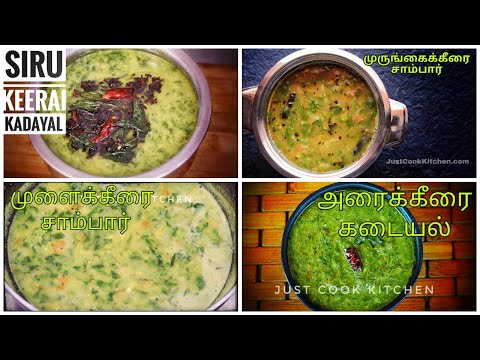
SIRU KEERAI KULAMBU: Heat 1 teaspoon of sesame oil in a pan. Add mustard seeds and let them splutter. Add a pinch of asafoetida, a dry red chili, and a few curry leaves. Sauté 4 to 5 shallots and 2 crushed garlic cloves until golden. Add 1 chopped tomato and cook until soft. Add the siru keerai leaves, turmeric, and salt. Cook until the greens wilt. Stir in 2 tablespoons of mashed toor dal and 1/2 cup of water. Simmer for 5 minutes and serve.
MURUNGAI KEERAI KULAMBU: Heat 1 teaspoon sesame oil in a pan. Temper with mustard seeds, cumin, dry red chili, and curry leaves. Add shallots and garlic and sauté until light brown. Add a chopped tomato and cook until mushy. Add the drumstick leaves along with turmeric, red chili powder, and coriander powder. Stir well. Pour in the mashed toor dal along with half a cup of water. Add sambar powder and salt. Simmer on low flame for 8 minutes stirring occasionally until the kulambu thickens beautifully.
ARAI KEERAI KULAMBU: In a pan, heat sesame oil and temper with mustard seeds, urad dal, dry red chili, and curry leaves. Add shallots, garlic, and green chilies and fry until translucent. Add chopped tomato and cook until soft. Add the arai keerai leaves and season with turmeric and salt. Cook until the leaves are tender. Add the mashed toor dal and a small splash of tamarind water for a mild tang. Stir well, adjust seasoning, and let it simmer for 5 to 6 minutes until slightly thick and aromatic.
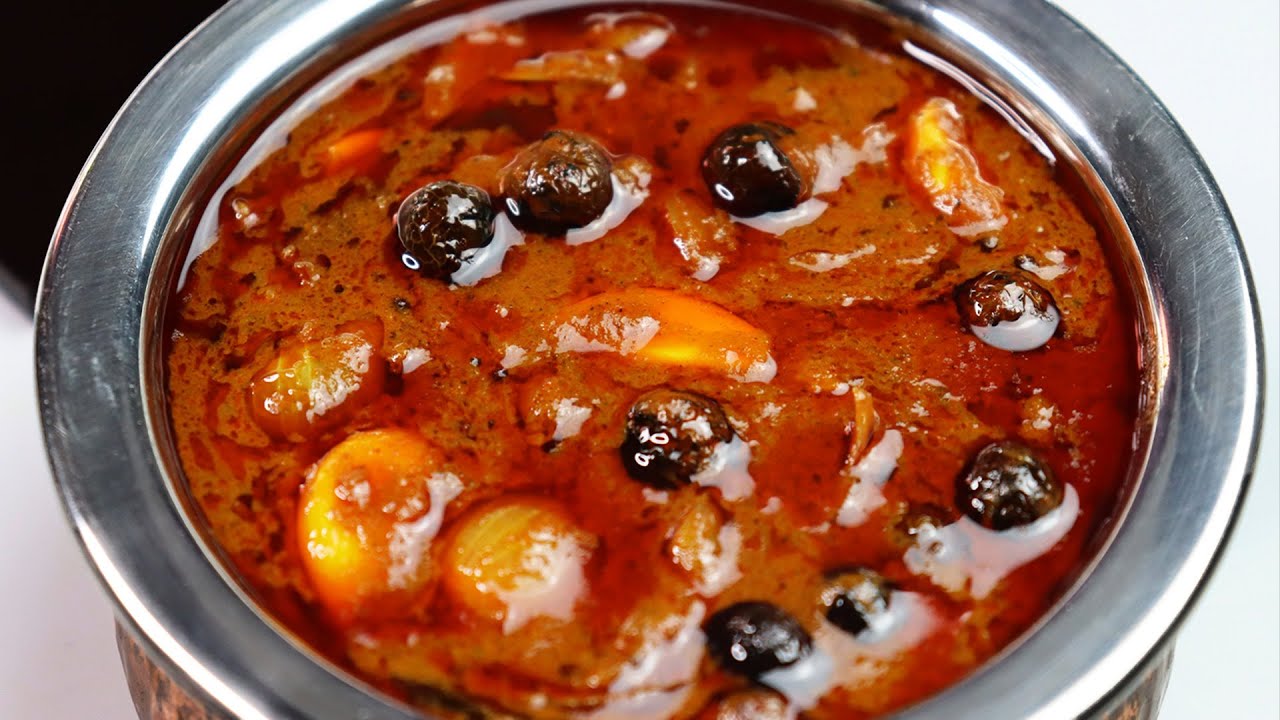
PULICHA KEERAI KADAIYAL: This is a tangy no-dal preparation. Heat sesame oil in a pan. Add mustard seeds, cumin, dry red chilies, and curry leaves. Add shallots and garlic and fry until golden. Add the sorrel leaves directly into the pan and sauté on medium heat. The leaves will release their natural sourness as they cook down. Add turmeric, red chili powder, salt, and the strained tamarind water. Cook on medium flame until the raw tamarind smell is gone and the kulambu thickens to a glossy consistency. Add a pinch of jaggery to balance the tartness.
MANATHAKKALI KEERAI KULAMBU: Heat sesame oil in a pan and add mustard seeds, asafoetida, dry red chili, and curry leaves for tempering. Add shallots, garlic, and green chili and fry well. Add chopped tomato and cook until it breaks down. Add the manathakkali keerai leaves and season with turmeric, red chili powder, coriander powder, and salt. Stir and cook until the leaves are soft. Add the mashed toor dal and a little water to loosen the consistency. Simmer for 6 to 8 minutes on low flame. This kulambu is particularly good for digestion and stomach health.
Once all five keerai kulambu varieties are ready, do a final taste check on each one. Adjust salt, spice, and tanginess as needed. Each kulambu should have a slightly thick, saucy consistency that coats a spoon well. Finish each preparation with a tiny drizzle of fresh sesame oil on top for that authentic Tamil Nadu aroma. Serve all five varieties hot with steamed white rice, a side of papad, and a small bowl of buttermilk for a complete and nutritious South Indian meal.
Tips and Tricks
- Always use fresh, young keerai leaves for the best flavor and color. Older leaves can turn bitter and dark when cooked. Wash the greens at least two to three times in cold water to remove all traces of sand and dirt before cooking.
- For pulicha keerai kulambu, balance the natural sourness of the sorrel leaves by adding a small piece of jaggery at the end of cooking. This rounds out the sharpness and gives the kulambu a beautifully complex sweet-sour flavor that Tamil grandmothers swear by.
- Sesame oil (nallennai) is the authentic choice for tempering keerai kulambu in Tamil Nadu. It adds a nutty depth and helps preserve the medicinal properties of the greens. Avoid substituting with refined oil as it will significantly change the traditional flavor profile.
⚠️ Nutrition values could not be verified for this recipe. Please check manually.
Related Tags