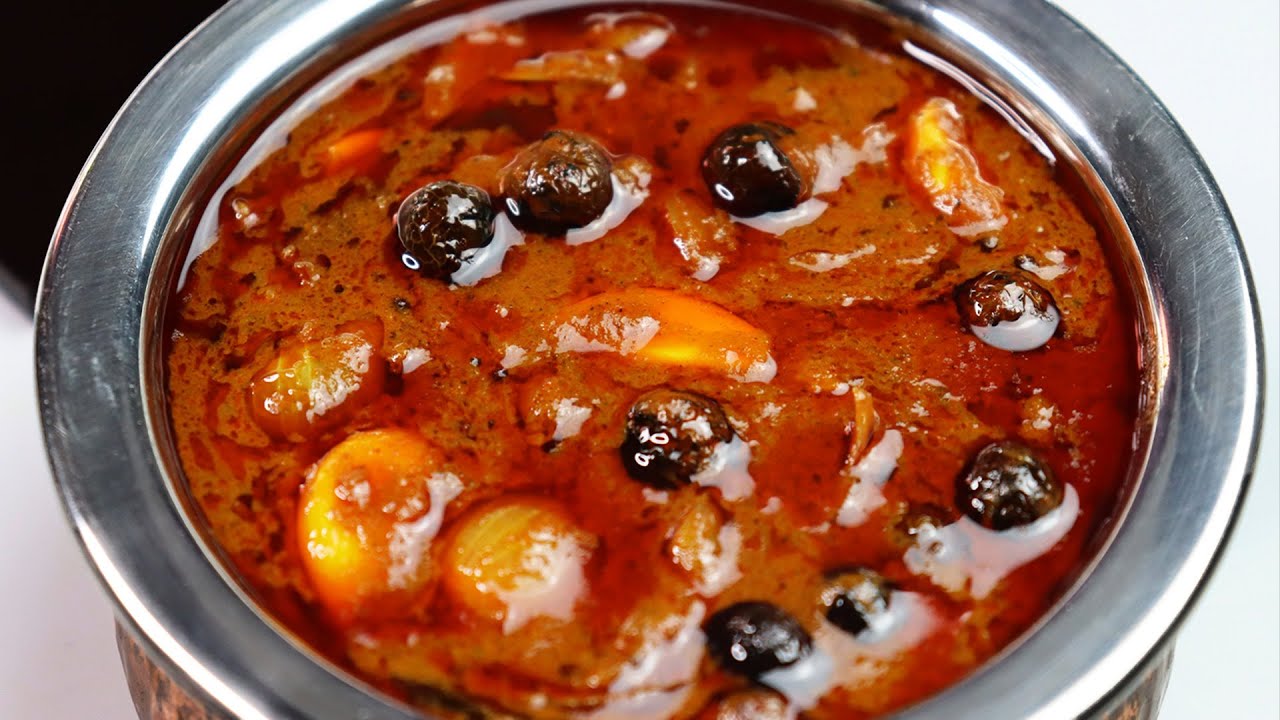
Homemade Mixed Fruit Jam

Authentic South Indian Food Creator · Home Chef

Rate this recipe
Homemade Mixed Fruit Jam is a delightful preserve made by cooking fresh fruits with sugar until they reach a thick, glossy consistency. While jam-making has roots in global culinary traditions, Tamil families have warmly adopted this practice into their home kitchens, often using locally available tropical fruits like strawberries, mangoes, and pineapples. This wholesome spread carries no artificial colours or preservatives, making it a truly pure and natural treat that honours the Tamil value of preparing everything fresh and from scratch at home.
Tamil families absolutely love making fruit jam at home because it fills the kitchen with an irresistible fruity fragrance that draws everyone together. Mothers and grandmothers often prepare a large batch during fruit seasons, especially when strawberries arrive in winter or mangoes flood the summer markets. It becomes a cherished breakfast staple spread generously on soft white bread or dosai for children heading to school. During school holidays, kids eagerly watch the bubbling pot on the stove, waiting for their first taste straight off the wooden spoon — a memory that lasts a lifetime.
What makes this recipe truly special is its beautiful simplicity. Using only fresh fruits, natural fruit juices, and sugar with no added colours or artificial flavours, this jam is wholesome enough even for toddlers. The key to a perfect jam lies in patience — stirring consistently over medium heat and testing the set by dropping a small amount on a chilled plate. Sterilising your jars properly ensures your jam stays fresh for weeks. Once you make jam at home, you will never reach for a store-bought jar again.
Looking for more sweets recipes? Browse all vegetarian recipes →
Ingredients(7 items)
Instructions
💡 Tap a step to mark it doneWash all fruits thoroughly under running water. Hull the strawberries and chop them into small pieces. Peel and dice the mango into small cubes. Peel and finely chop the pineapple, removing the core. Having all fruits cut to a similar small size ensures even cooking and a smooth jam texture.
Place a small ceramic plate in the freezer. This will be used later to test whether your jam has set properly. This simple trick is essential for achieving the perfect jam consistency without any thermometer.
Add the chopped strawberries, mango, and pineapple into a heavy-bottomed kadai or deep saucepan. Pour in 2 tablespoons of water and place the pan over medium heat. Stir gently and allow the fruits to soften for about 5 to 7 minutes, mashing lightly with the back of your spoon as they cook.
Once the fruits have softened and released their natural juices, add the freshly squeezed orange juice and lemon juice. Stir well to combine. The lemon juice acts as a natural preservative and helps the jam to set by activating the natural pectin present in the fruits.
Add the measured white granulated sugar to the softened fruit mixture. Stir continuously over medium heat until every grain of sugar has fully dissolved. Do not increase the flame at this stage as the sugar needs to dissolve gradually to avoid burning at the bottom of the pan.
Once the sugar has dissolved completely, increase the heat to medium-high and bring the mixture to a rolling boil. Stir frequently to prevent the jam from sticking to the bottom. You will notice the mixture beginning to thicken and turn a deeper, richer colour as it cooks down.
Continue cooking the jam on medium-high heat for approximately 20 to 25 minutes, stirring every 2 to 3 minutes. The mixture will bubble vigorously and reduce in volume significantly. Keep a close eye on it during this stage as the sugar can cause the jam to catch and burn if left unattended.
To test if the jam has set, take the chilled plate from the freezer and drop a small teaspoon of the hot jam onto it. Wait for 30 seconds, then push the jam gently with your fingertip. If it wrinkles and holds its shape without running freely, your jam is perfectly set and ready. If it is still too liquid, cook for another 5 minutes and test again.
Once the jam has reached the perfect setting point, remove the pan from the heat immediately. Allow it to cool for 5 minutes in the pan before transferring. Skim off any foam that has formed on the surface using a spoon for a cleaner, more glossy finished jam.
Sterilise clean glass jars by washing them with hot soapy water, rinsing well, and then placing them in a preheated oven at 120 degrees Celsius for 10 minutes. Carefully ladle the warm jam into the sterilised jars using a clean spoon or jam funnel. Seal the lids tightly while the jam is still warm. Allow the jars to cool completely at room temperature before refrigerating. The jam will keep well in the refrigerator for up to 3 to 4 weeks.
Tips and Tricks
- Always use ripe but firm fruits for the best natural flavour and colour. Overripe fruits can make the jam taste fermented, while underripe fruits lack sufficient natural sugar and pectin for a good set.
- Adding lemon juice is non-negotiable in jam-making as it not only preserves the jam naturally but also balances the sweetness and helps activate pectin which is responsible for setting your jam to the right consistency.
- Always sterilise your glass jars properly before filling them with jam. Filling jam into unsterilised jars is the most common reason homemade jams spoil quickly. A well-sterilised sealed jar stored in the refrigerator can keep your jam fresh and delicious for up to four weeks.
Nutrition Info (per serving)
AI Estimated Values per serving
Related Tags