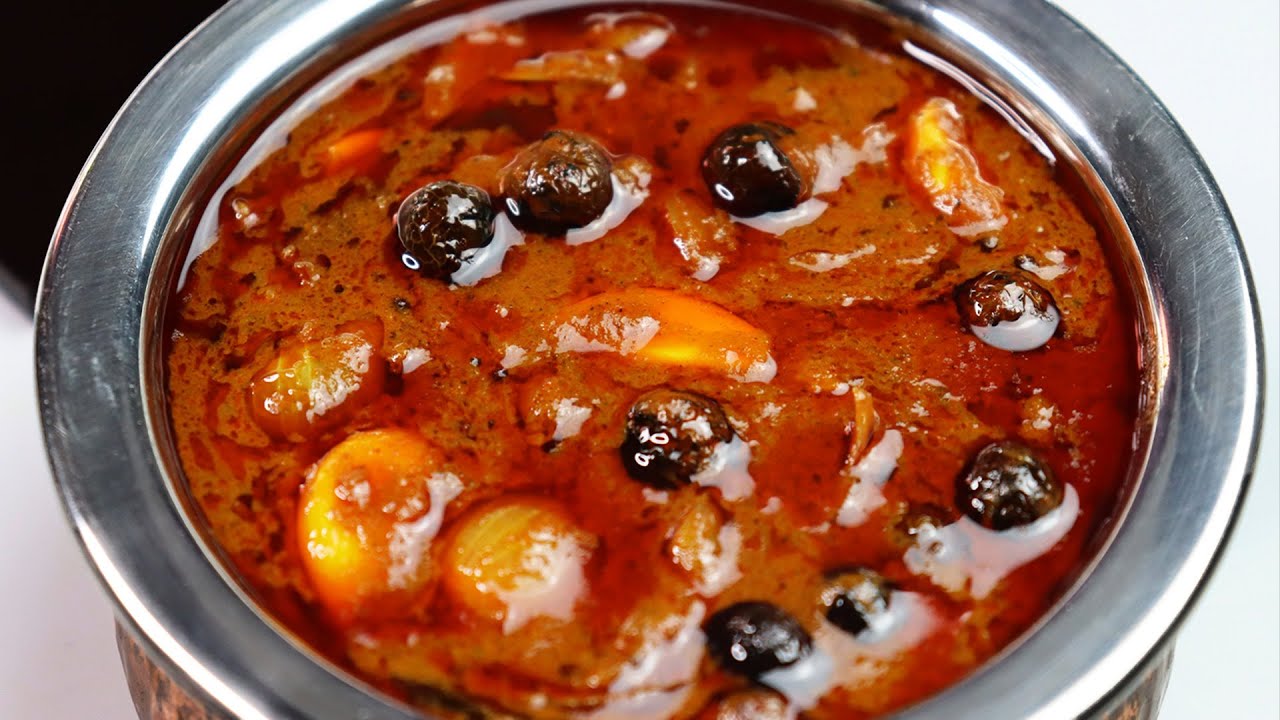
Hotel Style Mixed Vegetable Kurma (Veg Curry for Chapati & Poori)

Authentic South Indian Food Creator · Home Chef

Rate this recipe
Hotel Style Mixed Vegetable Kurma is a rich, creamy, and aromatic South Indian curry that has been a staple in Tamil restaurant menus and home kitchens for generations. Rooted deeply in Tamil Nadu's culinary tradition, this veg kurma combines fresh vegetables like carrots, beans, and potatoes with a luscious coconut and cashew based gravy. The dish draws inspiration from the famous Madras hotel-style cooking where bold spices meet creamy textures, creating a curry that is both comforting and indulgent in every single spoonful.
Tamil families absolutely adore this mixed vegetable kurma because it pairs beautifully with soft chapatis, fluffy pooris, and even white rice. It is a go-to dish on weekends when the whole family gathers together for a special breakfast or hearty lunch. During festivals like Karthigai Deepam, Tamil New Year, and Diwali, this kurma graces nearly every Tamil household table alongside poori or parotta. Its mild sweetness from coconut and richness from cashews makes it universally loved by both children and elders equally, making it a true crowd-pleaser across all age groups.
What makes this recipe truly special is the freshly ground coconut and cashew paste that gives the gravy its signature creamy hotel-style texture without using any heavy cream. Adding whole spices like cinnamon, cloves, and bay leaf at the beginning builds incredible depth of flavor. For best results, always grind the coconut and cashew paste very smoothly, cook the vegetables until just tender so they hold their shape, and finish with a generous handful of fresh coriander leaves for a beautiful aroma and vibrant color that makes this dish absolutely irresistible.
Looking for more curry recipes? Browse all vegetarian recipes →
Ingredients(26 items)
Instructions
💡 Tap a step to mark it doneSoak the cashew nuts in warm water for 10 to 15 minutes until softened. Drain the cashews and add them to a blender along with the grated fresh coconut and 4 tablespoons of water. Grind this mixture into a very smooth, fine paste with no coarse bits remaining. Set this coconut cashew paste aside — this is the heart of the kurma's creamy texture.
Prepare all vegetables before you start cooking. Dice the carrots and potatoes into small even cubes of about 1 cm so they cook evenly. Cut the green beans into 1-inch pieces and break the cauliflower into small florets. If using frozen green peas, thaw them at room temperature. Having everything prepped and ready will make the cooking process smooth and stress-free.
Heat oil in a heavy-bottomed kadai or deep pan over medium flame. Once the oil is hot, add the bay leaf, cinnamon stick, cloves, cardamom pods, and fennel seeds. Let these whole spices sizzle and bloom in the oil for about 30 seconds until you can smell their beautiful fragrance. This tempering step is what gives the kurma its deep, restaurant-style aroma.
Add the finely chopped onions and slit green chillies to the pan. Sauté on medium heat, stirring regularly, for about 6 to 8 minutes until the onions turn golden brown. Properly browned onions are very important for the base of this gravy — do not rush this step. Add a pinch of salt while cooking the onions to speed up the process slightly.
Add the ginger garlic paste and curry leaves to the browned onions. Stir and cook for 2 minutes on medium heat until the raw smell of ginger and garlic disappears completely. You will notice the mixture starting to smell wonderfully aromatic. Stir continuously during this step to prevent the paste from sticking to the bottom of the pan.
Add the chopped tomatoes to the pan and mix well. Cook on medium heat for 5 to 6 minutes, stirring occasionally, until the tomatoes break down completely and the oil begins to separate from the masala on the sides of the pan. This step ensures the gravy has no raw tomato taste. The masala should look thick and glossy at this point.
Reduce the flame to low and add turmeric powder, red chilli powder, and coriander powder to the cooked masala. Mix everything well and cook the dry spices with the masala for 1 to 2 minutes, stirring constantly so the spices do not burn. Cooking the spice powders briefly in the oil-based masala deepens their flavor and removes any raw taste.
Add all the prepared vegetables — carrots, potatoes, green beans, cauliflower, and green peas — to the spiced masala. Stir well to coat every piece of vegetable evenly with the masala. Add 1½ cups of water, season with salt, and stir to combine. Bring the mixture to a boil over high heat, then reduce to medium-low, cover with a lid, and cook for 12 to 15 minutes until the vegetables are tender but not mushy.
Once the vegetables are cooked through, reduce the heat to the lowest setting. Beat the yogurt well until smooth with a fork or whisk to prevent curdling. Add the beaten yogurt to the curry and stir gently. Next, add the ground coconut cashew paste and mix everything together thoroughly. The gravy will immediately turn beautifully creamy and rich in color.
Let the curry simmer on low heat for 5 to 7 minutes after adding the coconut cashew paste, stirring gently every minute or two. Do not boil vigorously after adding the coconut paste as it can cause the gravy to split. Add a little water if the curry feels too thick for your liking. Sprinkle garam masala and give a gentle final stir.
Taste the kurma and adjust salt and spice levels as needed. Turn off the flame and finish with a generous handful of freshly chopped coriander leaves stirred through the curry. Transfer to a serving bowl and garnish with a few more coriander leaves on top. Serve hot with soft chapati, fluffy poori, parotta, or even plain basmati rice for a complete and satisfying meal.
Tips and Tricks
- Always grind the coconut and cashew paste as smoothly as possible — even a small coarseness will affect the final silky texture of the kurma gravy. Soaking cashews in warm water before blending helps achieve that perfectly smooth hotel-style consistency.
- Never boil the curry on high heat after adding the coconut cashew paste or the yogurt, as high heat will cause the gravy to split and become oily. Always keep the flame on low and simmer gently for a stable, creamy, and glossy gravy.
- For a richer and more vibrant hotel-style color, add a small pinch of turmeric and a tiny drop of saffron-soaked milk along with the coconut paste. You can also add a tablespoon of fresh cream at the very end for extra indulgence on special occasions.
Related Tags