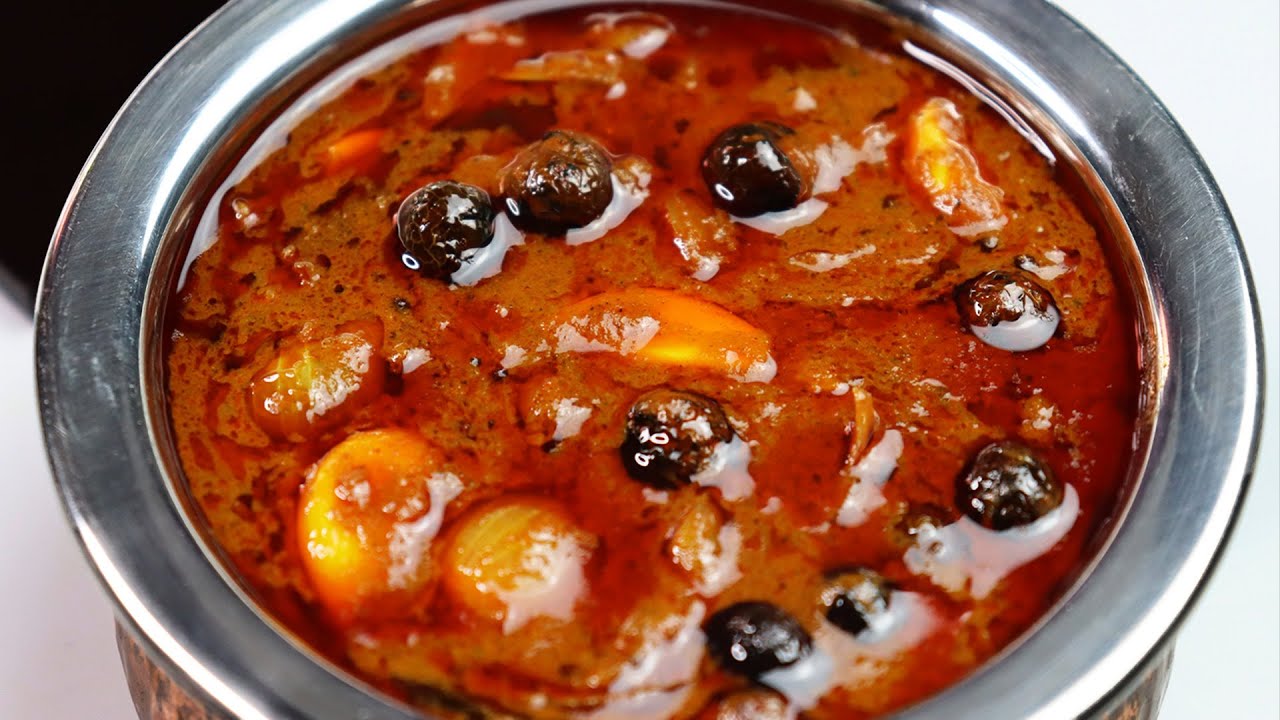
Idli Sambar - Tiffin Sambar for Idli, Dosa and Vada
Authentic South Indian Food Creator · Home Chef

Rate this recipe
Idli Sambar is one of the most beloved and iconic dishes from South Indian Tamil cuisine. This light, flavourful lentil-based stew is made with toor dal and fresh vegetables, simmered with aromatic spices and a special sambar powder. Originating from Tamil Nadu, sambar has been a cornerstone of everyday Tamil cooking for generations. It is the soul of a traditional South Indian breakfast plate, bringing warmth and nourishment to every household that prepares it with love and care.
Tamil families absolutely adore idli sambar because it is the perfect breakfast combination that feels both comforting and complete. Whether it is a busy school morning or a relaxed Sunday brunch, a steaming bowl of sambar alongside soft idlis is always a celebration. This dish is also lovingly prepared during festivals like Pongal, Karthigai Deepam, and on special family occasions. Elders, children, and guests alike are always drawn to the familiar aroma of sambar bubbling on the stove, making it a dish that truly unites the family around the table.
What makes this particular tiffin sambar recipe so special is its simplicity and speed. Unlike the heavier lunch sambar, this version is thinner in consistency, mildly spiced, and perfectly suited for soaking into soft idlis and crispy dosas. The secret lies in using fresh shallots, ripe tomatoes, and a good quality sambar powder. Pressure cooking the dal thoroughly and adding a generous mustard and curry leaf tadka at the end makes all the difference. Follow these steps carefully and you will have a restaurant-quality idli sambar ready in just 30 minutes at home.
Looking for more curry recipes? Browse all vegetarian recipes →
Ingredients(16 items)
Instructions
💡 Tap a step to mark it doneWash the toor dal thoroughly under running water two to three times until the water runs clear. Soak it for 10 minutes if you have the time, as this helps it cook faster and become creamier. Add the washed dal to a pressure cooker along with 1.5 cups of water and a pinch of turmeric. Pressure cook on medium flame for 4 to 5 whistles until the dal is completely soft and mushy. Set aside.
While the dal is cooking, soak the tamarind in half a cup of warm water for 10 minutes. Once softened, squeeze the tamarind well with your fingers to extract all the pulp. Strain out the seeds and fibres and keep the tamarind water ready. This tamarind extract gives the sambar its signature tangy depth of flavour.
Heat a deep pan or kadai over medium flame and add one tablespoon of oil. Once the oil is warm, add the peeled small shallots and sauté them for 3 to 4 minutes until they turn slightly golden and translucent. The small shallots give tiffin sambar its distinctive sweet and aromatic base that is different from regular sambar.
Add the roughly chopped tomatoes to the sautéed shallots and cook for 3 to 4 minutes, stirring occasionally, until the tomatoes turn soft and begin to break down and release their juices. Add the drumstick pieces at this stage and mix well. The drumstick adds a wonderful earthy flavour that is signature to traditional Tamil sambar.
Add the remaining turmeric powder and sambar powder to the pan and stir everything together well. Cook the spice powders with the vegetables for about 1 to 2 minutes on medium flame so that the raw smell of the powders disappears and they blend beautifully with the vegetables. This step is important for a deep, well-rounded sambar flavour.
Pour in the tamarind water and add 2 cups of additional water to the pan. Season with salt generously. Mix well and bring the sambar to a boil on medium-high flame. Once it starts boiling, reduce the flame and let it simmer for 8 to 10 minutes until the drumstick pieces are fully cooked and tender.
Once the vegetables are cooked, open the pressure cooker and mash the cooked toor dal well using a ladle or a dal masher until it is smooth and lump-free. Pour the mashed dal into the simmering sambar and mix thoroughly. The dal thickens the sambar beautifully. Adjust the consistency by adding more water if needed, as tiffin sambar should be slightly thin and pourable.
Let the sambar simmer together for another 5 minutes on low flame so all the flavours meld together. Taste and adjust salt or tamarind at this point. The sambar should taste tangy, mildly spicy, and deeply savoury. Turn off the flame once you are happy with the taste and consistency.
Prepare the tadka by heating one tablespoon of oil in a small tadka pan over medium-high flame. Once the oil is hot, add the mustard seeds and let them splutter. Then add cumin seeds, dry red chillies, a generous pinch of asafoetida, and the curry leaves. Let everything sizzle for about 30 seconds until fragrant. This aromatic tempering is the crowning glory of any good sambar.
Pour the sizzling hot tadka immediately over the sambar and cover with a lid for 2 minutes so the aromas infuse into the sambar. Finally, garnish with freshly chopped coriander leaves. Your hot, flavourful idli sambar is ready to serve. Ladle it generously over soft idlis, serve alongside crispy dosas, or pour it into a bowl for dunking vadas. Enjoy it piping hot for the best experience.
Tips and Tricks
- Always mash the toor dal very well before adding it to the sambar. Lumpy dal will ruin the texture of the final dish. A smooth, creamy dal makes the sambar silky and rich.
- Use small shallots (sambar onions) instead of regular onions for an authentic Tamil tiffin sambar flavour. They have a natural sweetness and aroma that regular onions simply cannot replicate.
- For the best tadka, make sure the oil is very hot before adding mustard seeds and always add asafoetida generously. Never skip the curry leaves as they are absolutely essential to the authentic South Indian aroma of this sambar.
⚠️ Nutrition values could not be verified for this recipe. Please check manually.
Related Tags