Inji Kuzhambu (Ginger Kulambu)

Authentic South Indian Food Creator · Home Chef

Rate this recipe
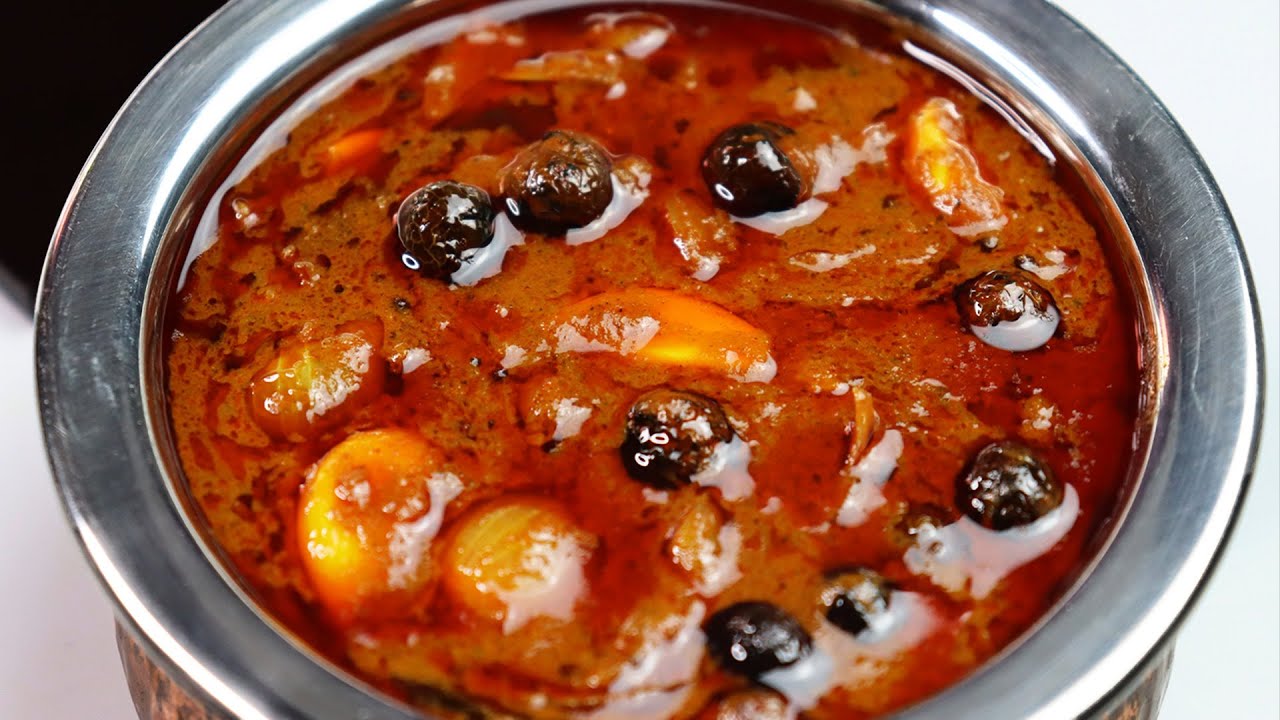
Inji Kuzhambu, also known as Ginger Kulambu, is a traditional South Indian tamarind-based gravy that holds a special place in Tamil cuisine. This rustic, flavour-packed dish is made using fresh ginger as the hero ingredient, slow-cooked with tamarind, shallots, garlic, and a fragrant blend of spices. Unlike many elaborate gravies, this one comes together with pantry staples and delivers a deeply satisfying, earthy flavour that pairs beautifully with hot steamed rice and a drizzle of sesame oil.
Tamil families have cherished Inji Kuzhambu for generations, especially during the cooler months and rainy seasons when a warming, spiced gravy feels like a comforting hug. This kulambu is often prepared on Sundays as part of a hearty family lunch spread, served alongside rice, papad, and a simple vegetable stir-fry. It is also a favourite during Karthigai Deepam and other traditional occasions when simple, sattvic cooking is preferred. Grandmothers across Tamil Nadu swear by its power to soothe the body and warm the soul.
What makes this recipe truly special is its incredible health profile. Ginger is a natural digestive aid and immunity booster, making this kulambu not just delicious but genuinely nourishing. The recipe requires no tomatoes and no vegetables, making it a pure, deeply spiced gravy that lets the ginger shine. For best results, use fresh, firm ginger and cook the tamarind base on low heat until the oil separates — that is the secret to a rich, restaurant-style Inji Kuzhambu right at home.
Looking for more curry recipes? Browse all vegetarian recipes →
Ingredients(17 items)
Instructions
💡 Tap a step to mark it doneSoak the tamarind in 2 cups of warm water for 10 minutes. Once softened, squeeze and extract the tamarind juice thoroughly. Discard the pulp and set the tamarind water aside. This forms the base of your kuzhambu.
Peel and roughly chop the fresh ginger. Peel the shallots and garlic cloves. In a small blender or mixer, grind the ginger, half the shallots (about 8 to 10), and half the garlic (about 5 cloves) into a smooth paste using very little water. Set aside.
Heat sesame oil in a heavy-bottomed kadai or pan over medium heat. Sesame oil adds an authentic South Indian flavour and should not be substituted for best results. Allow the oil to heat until it shimmers slightly.
Add mustard seeds and allow them to splutter. Then add cumin seeds and let them sizzle for 10 seconds. Add the dried red chillies and curry leaves and fry for 30 seconds until fragrant. Be careful not to burn the spices.
Add the remaining whole shallots and garlic cloves to the pan. Sauté on medium heat for 4 to 5 minutes, stirring occasionally, until the shallots turn golden and slightly caramelised. This adds a lovely sweetness and depth to the gravy.
Add the ground ginger-shallot-garlic paste to the pan. Fry this paste on medium heat for 3 to 4 minutes, stirring continuously, until the raw smell disappears and the paste turns slightly golden and aromatic. This step is crucial for a well-cooked kuzhambu.
Reduce the flame to low. Add turmeric powder, red chilli powder, coriander powder, black pepper powder, and kuzhambu milagai thool. Mix everything well and fry the spice powders together with the paste for 2 minutes, stirring constantly to avoid burning.
Pour in the extracted tamarind water and mix well to combine with the spice base. Add salt to taste. Stir everything together and bring the kuzhambu to a boil on medium-high heat.
Once it comes to a boil, reduce the flame to low-medium and let the kuzhambu simmer uncovered for 12 to 15 minutes, stirring occasionally. The gravy will thicken and the oil will begin to separate and float on the surface — this is the sign your kulambu is perfectly cooked.
If using jaggery, add a small piece now and stir to dissolve. This balances the tanginess of the tamarind and rounds out the flavours beautifully. Taste and adjust salt, chilli, or tamarind as needed. Turn off the flame and let the kuzhambu rest for 5 minutes before serving.
Serve hot Inji Kuzhambu over steamed white rice with a drizzle of extra sesame oil on top. It pairs wonderfully with appalam (papad), a simple kootu or poriyal, and a small serving of curd rice to finish the meal.
Tips and Tricks
- Always use fresh, firm ginger for the best flavour and health benefits. Old or dried-out ginger can make the kulambu taste bitter. If you want a stronger ginger punch, increase the quantity slightly and add a few thin ginger slices directly into the tamarind base while it simmers.
- Sesame oil (nallennai) is essential for an authentic Inji Kuzhambu — it adds a distinctive nutty aroma that defines South Indian kuzhambu. Do not replace it with refined oil. If the flavour feels too strong, you can use half sesame oil and half coconut oil as a milder alternative.
- The key to a thick, restaurant-style kuzhambu is patience — let it simmer on low flame until the oil clearly separates and rises to the top. Do not rush this step. The longer it simmers, the deeper and richer the flavour becomes. Leftover kuzhambu tastes even better the next day!
Related Tags