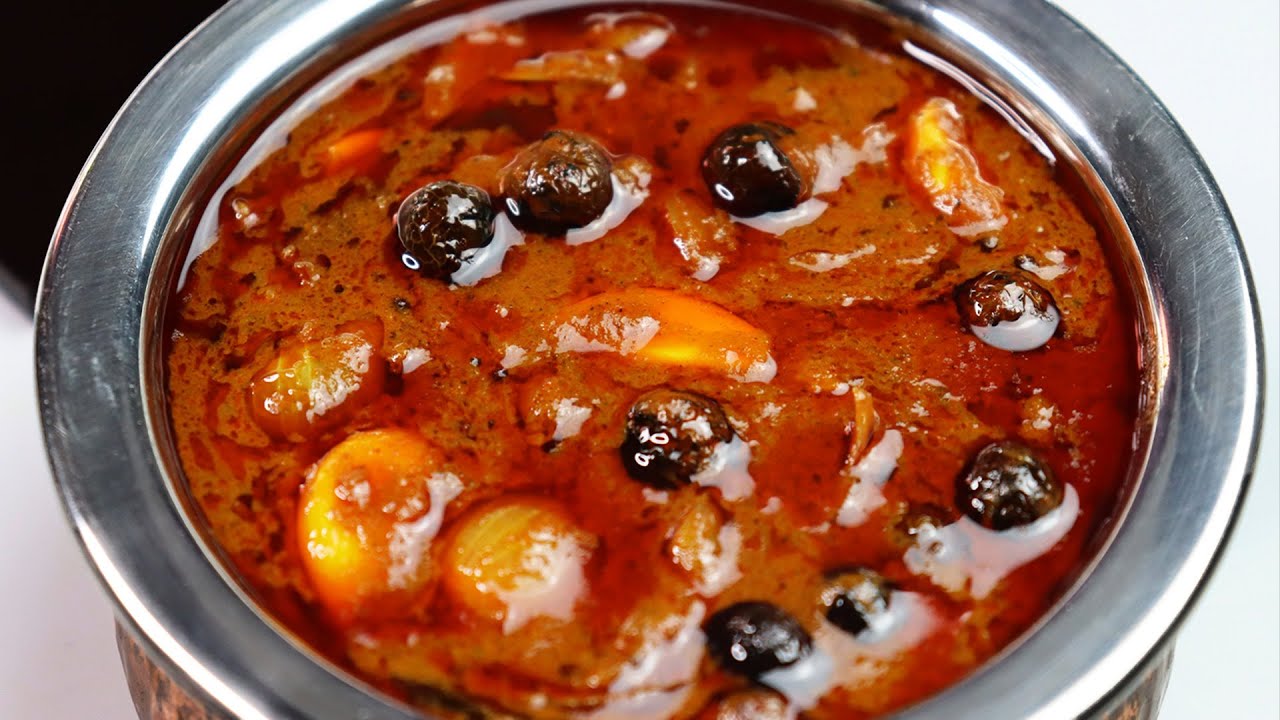
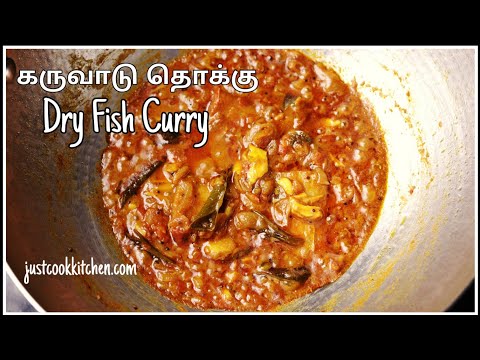
Karuvadu Thokku Recipe - Dry Fish Thokku

Authentic South Indian Food Creator · Home Chef
Rate this recipe
Karuvadu Thokku is a bold and deeply flavourful South Indian dry fish pickle-style preparation that holds a special place in Tamil cuisine. Made with vaalai karuvadu (ribbon dry fish), this thokku is slow-cooked with tangy tamarind, fiery red chillies, and aromatic spices until it reaches a thick, rich consistency. Dry fish has been a staple in Tamil coastal households for centuries, serving as a way to preserve the bounty of the sea and carry its nourishment through seasons when fresh fish was unavailable.
Tamil families absolutely love karuvadu thokku because it is one of those intensely satisfying dishes that pairs beautifully with steaming hot rice and a drizzle of sesame oil. It is a dish that evokes memories of grandmother's kitchen, where the aroma alone was enough to bring the entire family to the dining table. Though it is enjoyed year-round as an everyday side dish, it is especially popular during the cooler months and harvest season. Many Tamil households prepare a large batch to store, as the thokku keeps well and actually deepens in flavour over time.
What makes this recipe truly special is how simple pantry staples transform dried fish into something absolutely extraordinary. The key to a perfect karuvadu thokku lies in soaking and thoroughly cleaning the dry fish to remove excess salt, then slowly cooking it in a tamarind-based masala until the oil separates and the thokku reaches that gorgeous, glossy finish. Using gingelly oil adds a wonderful nutty depth that is completely authentic. Follow this recipe carefully and you will have a classic Tamil thokku ready to enjoy for days.
Looking for more curry recipes? Browse all recipes →
Ingredients(17 items)
Instructions
💡 Tap a step to mark it doneSoak the vaalai karuvadu pieces in enough water for at least 30 minutes. This step is essential to reduce the excess salt and soften the fish slightly. After soaking, rinse the fish pieces thoroughly 2 to 3 times under running water. Remove any bones, fins, or skin as needed. Pat the pieces dry with a clean cloth and set aside.
Soak the tamarind ball in 1 cup of warm water for 15 minutes. Once soft, squeeze the tamarind with your fingers to extract all the pulp, strain out the seeds and fibres, and set the tamarind water aside.
Heat a heavy-bottomed kadai or pan over medium flame and add the gingelly oil. Once the oil is hot, add the mustard seeds and let them splutter. Then add cumin seeds, dry red chillies, and curry leaves. Allow them to sizzle for about 30 seconds until fragrant.
Add the finely chopped garlic and ginger to the kadai. Sauté on medium heat for 2 minutes until the raw smell disappears and the garlic turns lightly golden. This forms the aromatic base of the thokku.
Add the finely chopped onions and cook on medium flame, stirring occasionally, for 8 to 10 minutes until the onions turn deep golden brown. Properly caramelised onions are important for the thick, rich base of the thokku.
Add the finely chopped tomatoes to the pan and mix well. Cook on medium heat for 5 to 6 minutes, mashing the tomatoes as they cook, until they become completely soft and the oil begins to separate from the edges of the mixture.
Lower the flame and add red chilli powder, coriander powder, turmeric powder, and black pepper powder. Mix everything together well and cook the masala on low heat for 2 minutes, stirring continuously to prevent the spices from burning.
Pour in the extracted tamarind water and stir to combine with the masala. Increase the flame to medium and bring the mixture to a boil. Let it cook for 5 minutes so the raw tamarind smell cooks off and the gravy thickens slightly.
Add the cleaned and prepared dry fish pieces into the tamarind masala. Gently fold the fish into the gravy, being careful not to break the pieces too much. Taste the mixture at this point before adding any salt, as the dry fish already contains a good amount of salt.
Cook the thokku on medium-low heat for 12 to 15 minutes, stirring gently every few minutes. The gravy will gradually thicken and coat the fish pieces well. If the mixture looks too dry before the fish is fully cooked, add a splash of water and continue cooking.
Continue cooking uncovered on low flame until the oil separates and floats on top and the thokku reaches a thick, semi-dry consistency. This oil separation is the sign that your thokku is perfectly cooked. Adjust salt at this stage and add jaggery if needed to balance the tangy and spicy flavours.
Once the thokku is thick, glossy, and the oil has separated beautifully, remove from flame. Garnish with a few fresh curry leaves if desired. Serve hot with plain rice, kali, or chapati. Store leftover thokku in a clean dry jar in the refrigerator for up to one week.
Tips and Tricks
- Always soak and rinse the dry fish multiple times before cooking to control the saltiness. Taste the thokku before adding any extra salt, as over-salting is the most common mistake when cooking karuvadu dishes.
- Gingelly oil (sesame oil) is highly recommended for authentic flavour. Do not substitute with refined oil as the nutty aroma of sesame oil is what gives this thokku its traditional Tamil taste.
- For a longer shelf life, make sure the oil separates fully at the end of cooking and allow the thokku to cool completely before storing in an airtight glass jar. A thin layer of gingelly oil on top before sealing the jar helps preserve the thokku for longer.
Related Tags