Kondakadalai Puli Kulambu | Black Chickpea Tamarind Curry

Authentic South Indian Food Creator · Home Chef

Rate this recipe
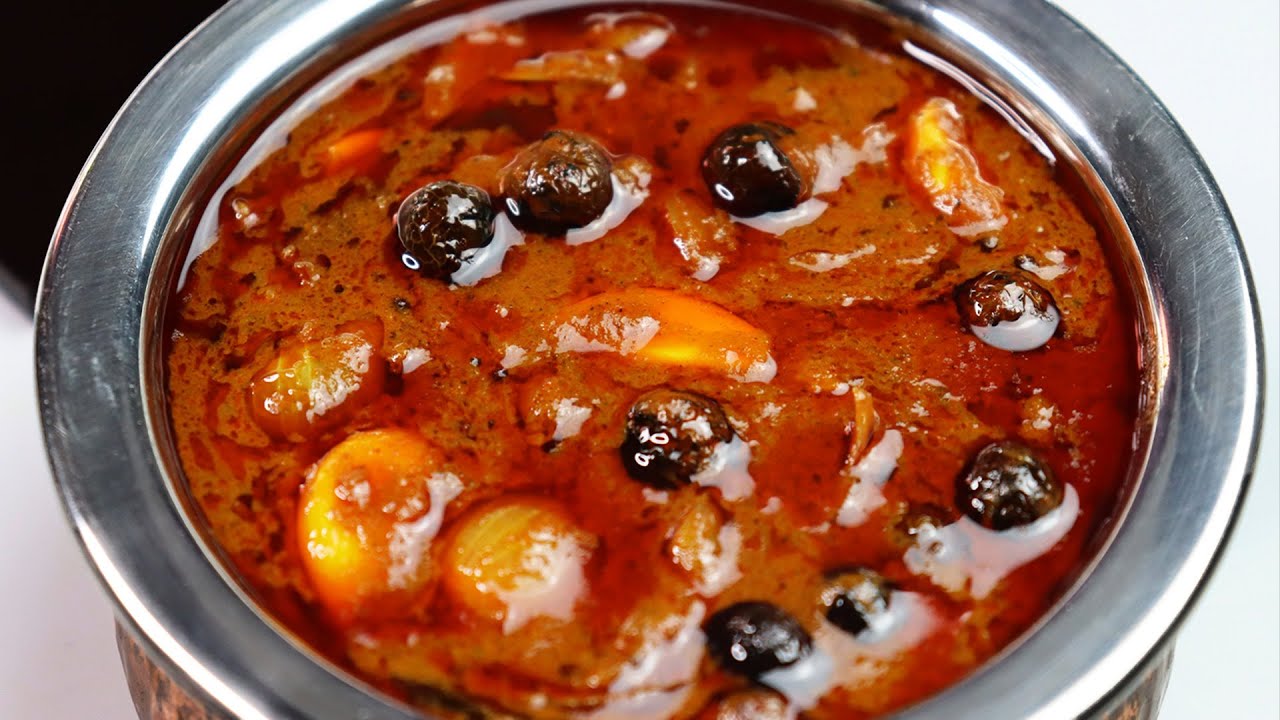
Kondakadalai Puli Kulambu is a beloved traditional Tamil curry made with black chickpeas simmered in a bold, tangy tamarind gravy enriched with aromatic spices. Deeply rooted in South Indian Tamil cooking, this kulambu has been a staple in Tamil Nadu homes for generations. The earthy depth of black chickpeas combined with the sharpness of tamarind and the warmth of freshly ground spices creates a dish that is truly soulful, wholesome, and unmistakably Tamil in character and flavor.
Tamil families absolutely adore this kulambu because it is both nourishing and deeply satisfying. It is commonly prepared on weekends when the family gathers together for a long, relaxed lunch. Many households also prepare this dish during Karthigai Deepam, Aadi Perukku, and other Tamil festival occasions when simple, protein-rich vegetarian food is preferred. Served steaming hot with white rice, a crispy appalam, and a side of kootu, this kulambu brings that comforting feeling of amma's kitchen right to your table every single time.
What makes this recipe truly special is the clever use of chickpea paste instead of coconut paste to naturally thicken the kulambu, giving it a rich, creamy body without any extra calories. Even better, the water used to soak and cook the chickpeas is added back into the curry, preserving all the nutrients and reducing waste. For best results, soak the chickpeas overnight, use good quality tamarind, and allow the kulambu to simmer patiently on low flame so all the flavors develop beautifully and deeply.
Looking for more curry recipes? Browse all vegetarian recipes →
Ingredients(19 items)
Instructions
💡 Tap a step to mark it doneWash the black chickpeas thoroughly and soak them in enough water overnight or for at least 8 hours. The next day, drain and pressure cook the chickpeas using 2 cups of fresh water for 5 to 6 whistles on medium flame until they are soft and fully cooked. Do not discard the cooked water — set it aside, as it will be used in the kulambu for added nutrition and richness.
Once the chickpeas are cooked and cooled slightly, take out about 3 tablespoons of the cooked chickpeas and blend them into a smooth paste using a small blender or mixer grinder with a little bit of the reserved cooking water. This paste will act as the natural thickener for the kulambu instead of coconut paste. Keep the paste aside.
Soak the tamarind in one cup of warm water for 10 minutes. Using your fingers, squeeze out the tamarind pulp thoroughly and extract a thick tamarind juice. Strain out any seeds or fibre and set the tamarind water aside. This forms the tangy base of the puli kulambu.
Heat gingelly oil in a heavy-bottomed kadai or pan over medium flame. Once the oil is hot, add mustard seeds and let them splutter. Then add cumin seeds, dried red chillies, and fresh curry leaves. Let them sizzle for about 30 seconds until aromatic.
Add the peeled pearl onions (shallots) and garlic cloves to the kadai. Sauté them on medium flame for about 5 to 6 minutes, stirring occasionally, until the shallots turn golden brown and the raw smell of garlic disappears completely. This step is important for developing the deep base flavour of the kulambu.
Add the chopped tomatoes to the pan and cook them down on medium flame for about 4 to 5 minutes, stirring occasionally, until the tomatoes become completely soft and mushy and the oil starts to separate from the masala on the sides of the pan.
Now add the turmeric powder, red chilli powder, coriander powder, cumin powder, and black pepper powder. Mix everything well and cook the spice powders with the onion-tomato masala for 2 to 3 minutes on low flame, stirring continuously so the spices do not burn. The masala should smell fragrant and well-cooked.
Pour in the extracted tamarind water along with the reserved chickpea cooking water. Stir well to combine everything. Add salt to taste and bring the kulambu to a gentle boil on medium flame. Let it cook for about 8 to 10 minutes so the raw tamarind smell cooks off and the flavours begin to meld together beautifully.
Add the cooked black chickpeas to the simmering kulambu. Stir gently, making sure all the chickpeas are coated in the tangy tamarind gravy. Now add the chickpea paste you prepared earlier and stir it in well. This will naturally thicken the kulambu and give it a wonderfully rich and creamy consistency.
Add the small piece of jaggery, which balances the tanginess of the tamarind and rounds off all the flavours. Simmer the kulambu on low flame for another 8 to 10 minutes, stirring occasionally, until the oil floats on top and the kulambu reaches your desired thickness. Taste and adjust salt or chilli if needed.
Switch off the flame and garnish the kondakadalai puli kulambu with freshly chopped coriander leaves. Allow it to rest for 5 minutes before serving. This resting time allows the chickpeas to absorb the kulambu flavours even more deeply. Serve hot with steamed white rice, appalam, and a side kootu or raita for a complete and satisfying Tamil meal.
Tips and Tricks
- Always soak black chickpeas overnight for at least 8 hours — this ensures they cook evenly, become perfectly soft, and are easier to digest. Never skip the soaking step as under-cooked chickpeas can make the kulambu taste grainy and heavy.
- Using gingelly oil (nallennai) is the authentic South Indian choice for this kulambu and adds a nutty, traditional flavour that vegetable oil simply cannot replicate. If you want the true Tamil restaurant-style taste, always use gingelly oil for puli kulambu.
- Do not rush the simmering process. Letting the kulambu cook slowly on low flame for the final 8 to 10 minutes is what brings all the spices, tamarind, and chickpea flavours together into one harmonious, deeply delicious gravy. The kulambu always tastes even better the next day after resting.
⚠️ Nutrition values could not be verified for this recipe. Please check manually.
Related Tags