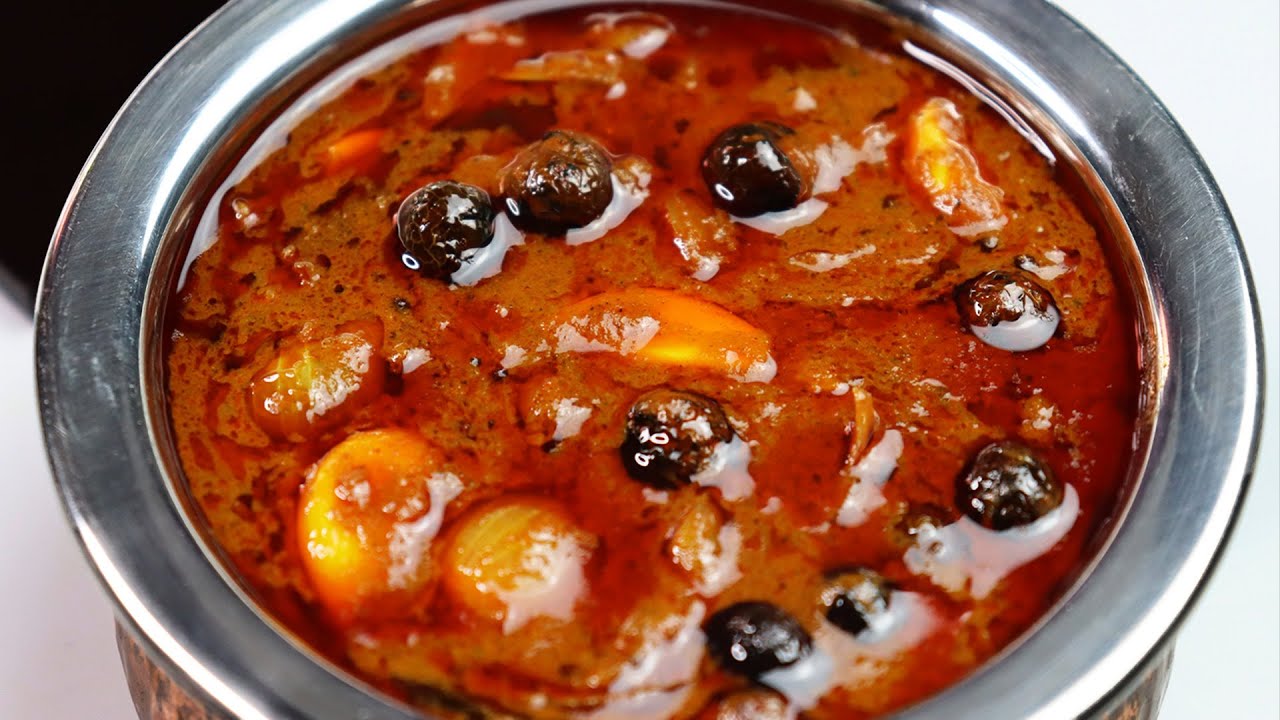
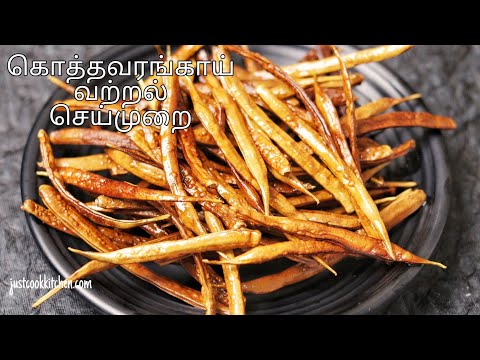
Kothavarangai Vathal Kulambu – Dried Cluster Beans Curry

Authentic South Indian Food Creator · Home Chef
Rate this recipe
Kothavarangai Vathal Kulambu is a timeless treasure from Tamil Nadu's traditional kitchen. Vathal, which means sun-dried vegetables, has been a part of Tamil culinary heritage for centuries. Cluster beans are dried under the sun to preserve them for months, and when cooked in a tangy tamarind-based gravy, they transform into something truly magical. This dish belongs to the family of vathal kulambu recipes that every Tamil grandmother has mastered and passed down through generations with pride and love.
Tamil families absolutely adore vathal kulambu because it brings comfort on even the simplest of days. It is a staple dish made especially during the dry months when fresh vegetables are scarce, and the pantry of dried vathals comes to the rescue. It pairs beautifully with hot steamed rice and a generous drizzle of sesame oil, making it a complete and satisfying meal. Many Tamil households make this on weekdays as a quick and flavorful curry that stores well and tastes even better the next day.
What makes this recipe truly special is how humble ingredients like dried cluster beans, tamarind water, onion, tomato, and basic spices come together to create a deeply flavourful, bold, and aromatic kulambu. The key is soaking the vathal in hot water first to rehydrate it properly before cooking. Using sesame oil instead of regular oil is essential for that authentic Tamil flavour. Cook on a gentle flame and let the oil separate naturally for the best results and richest taste.
Looking for more curry recipes? Browse all vegetarian recipes →
Ingredients(16 items)
Instructions
💡 Tap a step to mark it doneBreak the dried cluster beans vathal into halves and place them in a bowl. Pour 2 cups of hot water over the vathal pieces and let them soak for 10 minutes. This rehydrates the dried beans and softens them slightly so they absorb the kulambu flavours beautifully. After soaking, drain and set aside.
Soak a lemon-sized ball of tamarind in 1.5 cups of warm water for 10 minutes. Squeeze it well with your fingers to extract a thick tamarind juice. Strain out the pulp and seeds and keep the tamarind water ready for the gravy.
Heat 3 tablespoons of sesame oil in a heavy-bottomed pan or kadai over medium flame. Once the oil is hot, add mustard seeds and let them splutter. Then add cumin seeds, fenugreek seeds, dry red chillies, and curry leaves. Let them sizzle for about 30 seconds until fragrant.
Add the finely chopped onions to the pan and sauté on medium flame for 5 to 7 minutes until the onions turn golden brown. Stir frequently so they cook evenly without burning. Well-cooked onions are the base of a delicious kulambu, so do not rush this step.
Add the finely chopped tomatoes to the sautéed onions and cook for 4 to 5 minutes on medium flame until the tomatoes become completely soft and mushy and the raw smell disappears. The tomato should blend into the onion base to form a thick masala.
Add kulambu chilli powder, coriander powder, and turmeric powder to the onion-tomato masala. Mix everything together and sauté for 1 to 2 minutes on low flame so the spice powders cook in the oil without burning. This step deepens the flavour of the kulambu.
Pour in the prepared tamarind water and add salt to taste. Stir well to combine everything. Increase the flame to medium-high and bring the kulambu to a rolling boil. Let it boil for 5 minutes so the raw tamarind smell cooks out and the gravy starts to thicken.
Add the soaked and drained kothavarangai vathal into the boiling kulambu. Stir gently to coat the vathal pieces with the tamarind gravy. Reduce the flame to medium-low and let the kulambu cook for 12 to 15 minutes, stirring occasionally, until the oil separates and floats on top.
Once you can see sesame oil clearly floating on the surface and the kulambu has thickened to a rich consistency, taste and adjust salt or spice if needed. Switch off the flame and let it rest for 5 minutes before serving. This resting time helps the flavours develop fully.
Serve the hot kothavarangai vathal kulambu over steamed white rice with a small drizzle of fresh sesame oil on top. This pairs wonderfully with appalam, papad, or a simple vegetable side dish for a complete and satisfying traditional Tamil meal.
Tips and Tricks
- Always use sesame oil (nalla ennai) for this recipe as it is essential for the authentic Tamil vathal kulambu flavour. Regular cooking oil will not give the same depth and aroma.
- Do not skip soaking the vathal in hot water before cooking. This step is crucial because it rehydrates the dried beans and prevents them from being too hard or chewy in the final dish.
- Let the kulambu cook until the oil fully separates on top before switching off the flame. This is the sign that the kulambu is perfectly cooked and the tamarind rawness has completely gone.
⚠️ Nutrition values could not be verified for this recipe. Please check manually.
Related Tags