Kovil Puliyodharai – Temple Style Tamarind Rice

Authentic South Indian Food Creator · Home Chef

Rate this recipe
Puliyodharai, also lovingly called Puli Sadam or Tamarind Rice, is one of the most iconic dishes in Tamil cuisine. Originating from the temple kitchens of Tamil Nadu, this tangy, spiced rice has been prepared for centuries as a sacred prasadam offering to devotees. The deep golden colour, the sharp tamarind flavour, and the warm aroma of sesame and curry leaves make it instantly recognisable as a true South Indian classic that has stood the test of time.
Tamil families have a deep emotional connection with Puliyodharai. It is the rice that reminds everyone of temple visits during festivals like Panguni Uthiram, Brahmotsavam, and Vaikunta Ekadasi, when it is distributed as prasadam wrapped in banana leaves. Mothers pack it in steel lunch boxes for school children because it travels beautifully without spoiling, tastes better as it sits, and needs no side dish. That tangy, spicy, comforting flavour is something every Tamil person carries as a treasured food memory from childhood.
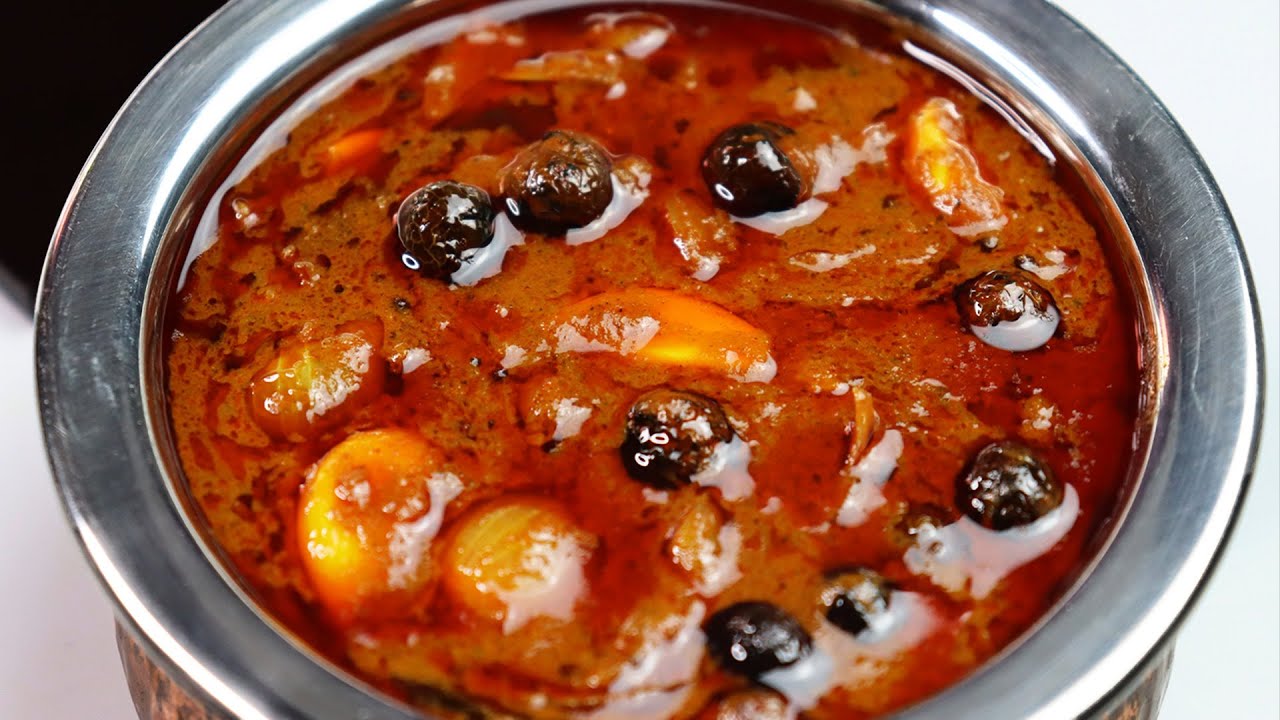
What makes this homemade version special is the puli kachal, the tamarind paste cooked with aromatic spices, which is the heart of the entire recipe. Preparing a good puli kachal in advance and mixing it with fluffy cooked rice gives you that authentic kovil-style taste at home. Use sesame oil generously, do not skip the roasted peanuts and chana dal for crunch, and always let the mixed rice rest for ten minutes before serving so all the flavours come together beautifully.
Looking for more rice recipes? Browse all vegetarian recipes →
Ingredients(19 items)
Instructions
💡 Tap a step to mark it doneSoak the tamarind in 1.5 cups of warm water for 15 to 20 minutes. Once softened, squeeze it thoroughly with your hands to extract all the pulp. Strain through a sieve to remove seeds and fibres. You should get a thick, smooth tamarind extract. Set this aside.
Cook rice with a tiny bit of extra water so each grain is separate and fluffy but not mushy. Spread the cooked rice on a wide plate or tray and allow it to cool completely. Drizzle 1 teaspoon of sesame oil over the rice and gently mix to keep the grains from sticking together.
Heat 3 tablespoons of sesame oil in a heavy-bottomed pan or kadai over medium heat. Add the raw peanuts and fry until they turn golden and crispy, about 2 to 3 minutes. Remove and set aside. In the same oil, fry cashews if using until lightly golden. Remove and set aside.
In the same pan, add mustard seeds and let them splutter. Then add chana dal and urad dal and fry on medium-low heat until they turn light golden brown. Add dried red chillies and curry leaves and fry for 30 seconds until the curry leaves turn crisp and aromatic.
Add asafoetida and turmeric powder to the pan and stir quickly for a few seconds. Now carefully pour in the tamarind extract. The mixture will sizzle. Stir everything together and bring to a boil over medium-high heat.
Once the tamarind mixture starts boiling, add red chilli powder, coriander powder, black pepper powder, jaggery, and salt. Stir well to combine all the spices into the tamarind water. Reduce the heat to medium.
Continue cooking the tamarind mixture on medium heat, stirring occasionally, for about 12 to 15 minutes until it thickens significantly and the oil begins to separate and float on top. This thick, cooked tamarind paste is called puli kachal. It should be dark, glossy, and very concentrated. Remove from heat and add the fried peanuts.
Add the roasted sesame seeds to the puli kachal and mix well. Taste and adjust salt or jaggery at this stage. The paste should be tangy, spicy, and slightly sweet with a strong aroma of sesame oil. You can store this paste in an airtight jar in the fridge for up to 2 weeks.
Take the cooled cooked rice in a large wide bowl. Start adding the puli kachal paste a little at a time, gently folding it into the rice using a spatula or clean hands. Do not mash the rice. Add the paste gradually until every grain is coated evenly and the rice turns a deep golden-brown colour.
Add the fried cashews on top and give a final gentle mix. Drizzle a few extra drops of sesame oil over the top for that authentic temple-style aroma. Cover the bowl and let the puliyodharai rest for at least 10 minutes before serving so all the flavours are fully absorbed. Serve warm or at room temperature with pappad or vadagam on the side.
Tips and Tricks
- Always use gingelly oil (sesame oil) and never substitute with regular cooking oil — the authentic flavour of kovil puliyodharai comes entirely from the rich nuttiness of sesame oil.
- The puli kachal paste must be cooked until the oil separates clearly on top. Under-cooked paste will make the rice soggy and sour. The longer you cook it on low heat, the deeper and richer the flavour becomes.
- Puliyodharai always tastes better after resting for 30 minutes or even a few hours. It is an ideal lunch box dish because the flavours deepen over time and it stays fresh for up to 8 hours at room temperature.
Related Tags