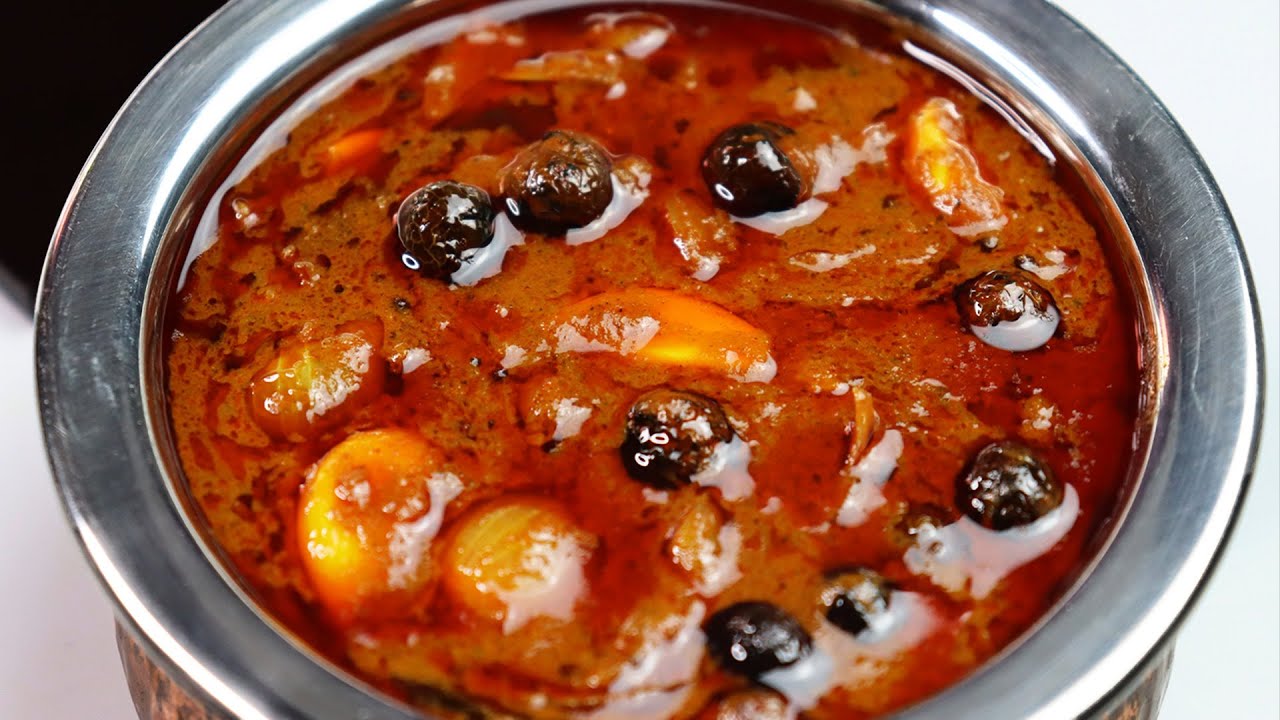
Manathakkali Keerai Soup Recipe

Authentic South Indian Food Creator · Home Chef

Rate this recipe
Manathakkali keerai, known in English as black nightshade, is a humble yet powerful leafy green that holds a cherished place in Tamil cuisine. This dark-leafed green grows abundantly across Tamil Nadu and has been used in traditional cooking for centuries. The soup made from this keerai is one of the simplest and most nourishing preparations, loved for its earthy flavor and deep green color. It carries the essence of authentic village-style Tamil cooking passed down through generations of grandmothers and home cooks.
Tamil families have long turned to Manathakkali keerai as a natural home remedy, especially when someone at home suffers from mouth ulcers, stomach ulcers, or digestive discomfort. Mothers and grandmothers would lovingly prepare this soup on weekday evenings as a light dinner accompaniment or serve it warm as a healing broth. It is not tied to a specific festival, but its presence in everyday Tamil home cooking makes it deeply emotional and comforting. Many families make it weekly as part of a balanced traditional diet.
What makes this recipe truly special is how effortlessly it comes together using pantry staples available in every South Indian kitchen. The key to a great Manathakkali keerai soup lies in using fresh leaves, not overcooking them, and adding a light tempering of mustard seeds, cumin, and garlic to elevate the natural flavor. A small addition of pepper and cumin powder enhances its medicinal quality. Cook it gently, taste as you go, and serve it piping hot for the best results.
Looking for more dinner recipes? Browse all vegetarian recipes →
Ingredients(15 items)
Instructions
💡 Tap a step to mark it doneCarefully pick the Manathakkali keerai leaves from the stems, discarding any yellowed or damaged leaves. Wash the leaves thoroughly under running water two to three times to remove all dirt and grit. Drain and set aside. Chop the shallots, tomato, and crush the garlic cloves. Keep all ingredients ready before you start cooking.
Heat coconut oil or sesame oil in a medium kadai or saucepan over medium flame. Once the oil is hot, add mustard seeds and let them splutter. Then add cumin seeds and let them sizzle for a few seconds until fragrant.
Add the dry red chilli and curry leaves to the pan and fry for a few seconds. Now add the crushed garlic and slit green chilli. Saute for about one minute until the garlic turns lightly golden and aromatic.
Add the finely chopped shallots and a pinch of asafoetida. Saute on medium flame for two to three minutes until the onions become soft and translucent. Do not let them brown too much.
Add the chopped tomatoes and cook for two minutes until they soften and become mushy. Add the turmeric powder and mix everything together well. Let the tomatoes cook down completely so the raw smell disappears.
Add the cleaned Manathakkali keerai leaves to the pan. Stir gently to combine with the onion and tomato base. Cook on medium flame for two to three minutes, stirring occasionally, until the leaves wilt down completely and release their color.
Pour in three cups of water and stir well to combine. Bring the soup to a gentle boil over medium-high heat. Once it starts boiling, reduce the flame to low and let it simmer for five to seven minutes so all the flavors meld together beautifully.
Add salt to taste and black pepper powder. Stir and taste the soup. Adjust seasoning if needed. If you prefer a slightly thinner consistency, add a little more water and bring to a boil again. Simmer for another two minutes.
Turn off the flame. You may serve the soup as it is in chunky form, or use a ladle to lightly mash the softened leaves against the side of the pan for a more blended texture. Do not blend completely as the rustic texture adds to the authentic flavor.
Serve the Manathakkali keerai soup hot in bowls or cups. It pairs beautifully with steamed rice and a drizzle of ghee, or can be enjoyed on its own as a warm healing broth, especially in the evenings.
Tips and Tricks
- Always use fresh Manathakkali keerai leaves for the best flavor and medicinal benefits. Older leaves can turn bitter and affect the taste of the soup. If fresh leaves are not available, use dried manathakkali sparingly.
- Do not overcook the leaves after adding them to the pan. Over-boiling destroys the nutrients and makes the soup lose its vibrant green color. A gentle simmer of five to seven minutes is all it needs.
- For enhanced healing benefits especially for mouth or stomach ulcers, skip the green chilli and reduce pepper slightly. Adding a small piece of jaggery at the end balances the natural slight bitterness of the leaves beautifully.
Nutrition Info (per serving)
AI Estimated Values per serving
Related Tags