Mangai Murungakai Sambar | Raw Mango Drumstick Sambar

Authentic South Indian Food Creator · Home Chef

Rate this recipe
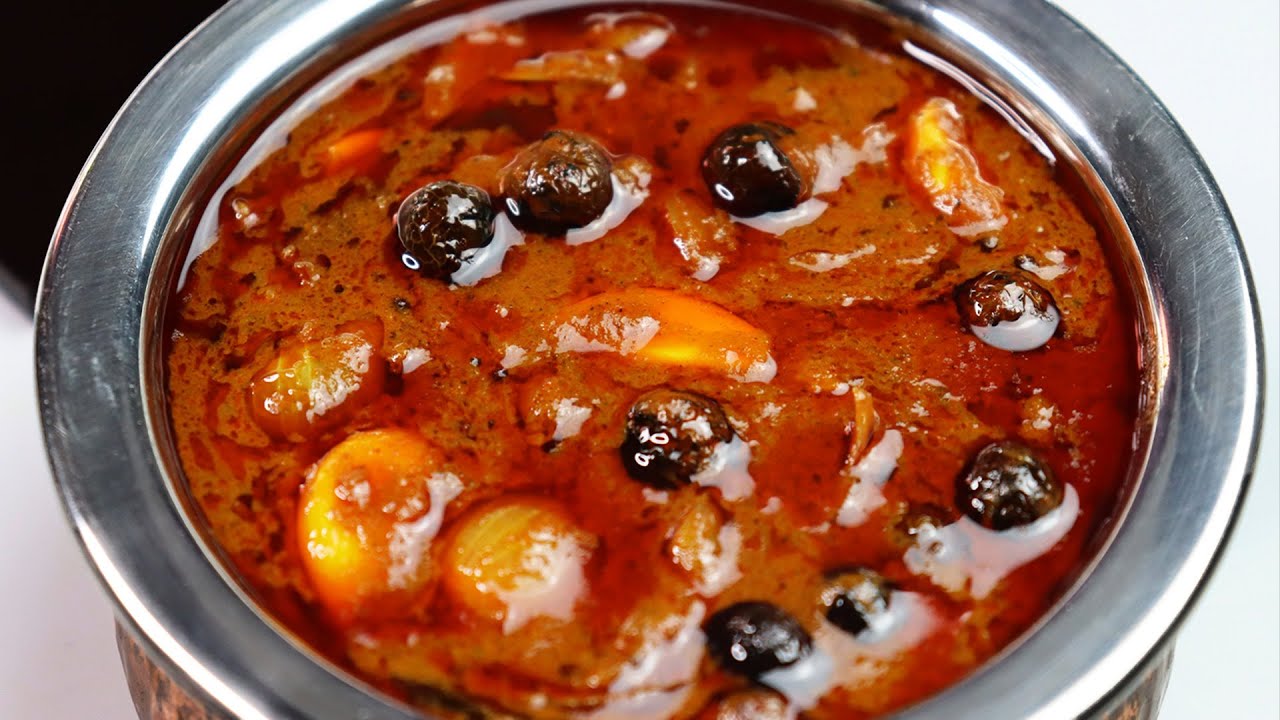
Mangai Murungakai Sambar is a beloved traditional South Indian dish rooted deeply in Tamil culinary heritage. This vibrant, tangy sambar combines the sharp sourness of raw mango with the earthy goodness of toor dal, tender drumstick pieces, soft brinjal, and the unique texture of jackfruit seeds. Unlike tamarind-based sambars, the raw mango naturally lends its tartness to the dish, creating a beautifully layered flavor that is both rustic and deeply satisfying. It is a dish that has graced Tamil kitchen stoves for generations, passed down lovingly from grandmothers to mothers to daughters.
Tamil families absolutely adore this sambar because it captures the very essence of seasonal cooking. Raw mangoes are abundant during the summer months, and clever Tamil cooks have always known how to transform this ingredient into something extraordinary. This sambar is especially popular during the Tamil New Year season, when raw mangoes are at their peak freshness. It is a staple dish prepared during family gatherings, simple weekday lunches, and festive occasions alike. Paired with steaming hot rice and a generous spoonful of ghee, this sambar brings immediate comfort and nostalgia to every Tamil household around the world.
What makes this recipe truly special is its beautiful simplicity combined with its bold, complex flavors. The combination of raw mango, drumstick, brinjal, and jackfruit seeds creates a wonderful medley of textures and tastes in every single bite. For the best results, always use firm, bright green raw mangoes to get that perfect tangy punch. Freshly ground sambar powder makes a noticeable difference in depth of flavor. Cook the toor dal until it is completely soft and mushy before adding it to the sambar, as this gives the dish its signature rich and creamy body.
Looking for more curry recipes? Browse all vegetarian recipes →
Ingredients(19 items)
Instructions
💡 Tap a step to mark it doneWash the toor dal thoroughly under running water. Add it to a pressure cooker along with 1 cup of water and a pinch of turmeric powder. Pressure cook on medium heat for 4 to 5 whistles until the dal is completely soft and mushy. Once the pressure releases naturally, open the cooker and mash the dal well using a ladle or the back of a spoon. Set aside.
If using fresh jackfruit seeds, boil them in water for 15 to 20 minutes until they are tender. Peel off the white outer skin once cool enough to handle and set aside. This step can be done in advance to save time during cooking.
Heat oil in a large, heavy-bottomed pot or kadai over medium heat. Once the oil is hot, add mustard seeds and allow them to splutter. Then add cumin seeds, dried red chillies, and curry leaves. Let them sizzle for about 30 seconds until aromatic.
Add the peeled shallots and slit green chillies to the pot. Sauté on medium heat for 3 to 4 minutes until the shallots turn golden and slightly translucent. Stir frequently to ensure even cooking and to prevent burning.
Add the chopped tomatoes to the pot and cook for 4 to 5 minutes until they soften completely and blend into a thick, pulpy base. Press them gently with the back of your spoon as they cook to release their juices and speed up the process.
Add the raw mango chunks, drumstick pieces, quartered brinjal, and boiled jackfruit seeds to the pot. Stir everything together gently to combine with the tomato and onion base. Make sure the mango and vegetables are evenly coated with the base.
Add sambar powder, the remaining turmeric powder, asafoetida, and salt. Stir well to coat all the vegetables evenly with the spices. Pour in 3 cups of water and mix everything together. Bring the sambar to a boil over medium-high heat.
Once boiling, reduce the heat to medium and cover the pot with a lid. Allow the sambar to cook for 12 to 15 minutes, stirring occasionally, until the drumstick pieces are tender, the brinjal is cooked through, and the raw mango has softened but still holds its shape.
Add the mashed toor dal to the pot and stir well to incorporate it into the sambar. The dal will thicken the sambar and give it a rich, creamy consistency. If the sambar looks too thick, add a little more hot water and stir to adjust to your desired consistency.
Taste the sambar and adjust salt and sambar powder if needed. Allow the sambar to simmer gently on low heat for another 5 minutes so all the flavors meld together beautifully. Finally, garnish generously with freshly chopped coriander leaves and serve hot with steamed rice, idli, or dosa.
Tips and Tricks
- Always choose firm, sour green raw mangoes for this sambar. Very ripe or partially ripe mangoes will make the sambar overly sweet and the tartness will be lost. The sourness of the raw mango is what replaces the need for tamarind in this recipe, so picking the right mango is crucial.
- For a richer and more authentic flavor, dry roast whole spices like coriander seeds, dried red chillies, and curry leaves, then grind them fresh at home to make your own sambar powder. Homemade sambar powder makes a world of difference compared to store-bought versions and takes your sambar to the next level.
- Jackfruit seeds add a wonderful, starchy, slightly chewy texture to this sambar that is truly unique. If fresh jackfruit seeds are not available, you can skip them or substitute with cooked raw banana pieces or additional brinjal. Do not substitute with canned jackfruit as the texture and taste will be completely different.
⚠️ Nutrition values could not be verified for this recipe. Please check manually.
Related Tags