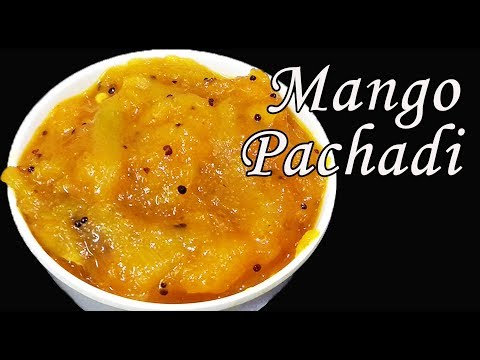
Mango Pachadi | Tamil New Year Special Mangai Pachadi

Authentic South Indian Food Creator · Home Chef
Rate this recipe
Mango Pachadi, lovingly called Mangai Pachadi or Mangai Thithipu in Tamil, is a beloved traditional South Indian dish made with raw mango, jaggery, and a touch of neem flowers. This iconic recipe holds a very special place in Tamil cuisine because it beautifully captures five distinct tastes — sweet, sour, bitter, spicy, and salty — all in one single dish. It is a timeless preparation that has been passed down through generations in Tamil households and remains deeply rooted in the culture and identity of Tamil cooking.
Tamil families across the world make this Mango Pachadi every year during Tamil Puthandu, which is the Tamil New Year celebrated on the 1st of Chithirai — falling around April 14th each year. The dish is considered auspicious and symbolic — the five tastes represent the varied experiences of life, reminding us to embrace every moment with grace and gratitude. From grandmothers in village kitchens to modern families in cities and abroad, this pachadi is the heart of the Tamil New Year feast and is served alongside the traditional Puthandu sadham spread.
What makes this recipe truly special is how simple it is to put together, yet how deeply flavourful and meaningful it feels on the plate. Using fresh raw mango simmered with jaggery and tempered with mustard seeds, dried red chillies, and the subtle bitterness of neem flowers fried in ghee, this dish comes together in under 30 minutes. For best results, choose a firm, sour raw mango and use good quality jaggery for a rich, natural sweetness. If you can find fresh or dried neem flowers, do not skip them — they are the soul of this pachadi.
Looking for more sweets recipes? Browse all vegetarian recipes →
Ingredients(11 items)
Instructions
💡 Tap a step to mark it doneWash and peel the raw mango. Cut it into small bite-sized cubes, removing the seed. Keep the mango pieces aside. The mango should be firm and sour for the best traditional flavour of pachadi.
In a medium-sized pan, add the mango cubes along with 1/2 cup of water, a pinch of salt, and 1/4 teaspoon of turmeric powder. Mix well and cook on medium flame for about 8 to 10 minutes until the mango pieces become soft and tender but still hold their shape.
Once the mango is cooked, add the powdered jaggery to the pan. Stir gently to combine. The jaggery will melt and create a thick, glossy syrup around the mango pieces. Cook for another 5 minutes on low flame, stirring occasionally, until the mixture thickens slightly.
Add 1/4 teaspoon of red chilli powder to the mango and jaggery mixture. Stir well and let it simmer for 2 more minutes so all the flavours come together beautifully. Taste and adjust salt or jaggery if needed. Turn off the flame.
In a small tempering pan, heat 1 teaspoon of ghee over medium flame. Add the mustard seeds and let them splutter. Then add the dried red chillies and curry leaves and fry for 30 seconds until fragrant.
Now add the dried neem flowers to the same tempering pan. Fry them gently in the ghee for about 20 to 30 seconds. Be careful not to burn them — they should just become crisp and release their slight bitterness into the ghee. This is the key step that gives Mango Pachadi its authentic five-taste character.
Pour the entire tempering along with the neem flowers over the cooked mango jaggery mixture. Stir gently to combine everything. Your Mango Pachadi is now ready. Serve warm or at room temperature as part of the Tamil New Year feast alongside rice, sambar, and other traditional dishes.
Tips and Tricks
- Always choose a firm, very sour raw mango for this pachadi. The sourness of the mango balances the sweetness of the jaggery perfectly and gives the dish its authentic five-taste quality. Avoid mangoes that are even slightly ripe as they will make the pachadi too sweet.
- If you cannot find fresh or dried neem flowers, do not skip the tempering — you can still make the pachadi without neem flowers and it will taste wonderful. However, if you do find neem flowers at an Indian grocery store, fry them gently in ghee and add them at the end for the true traditional bitterness that makes this dish so special.
- Do not add too much water while cooking the mango. The pachadi should have a slightly thick, saucy consistency — not watery. If the mixture becomes too thin after adding jaggery, simmer it uncovered on low flame for a few extra minutes until it reaches the right consistency.
Nutrition Info (per serving)
AI Estimated Values per serving
Related Tags