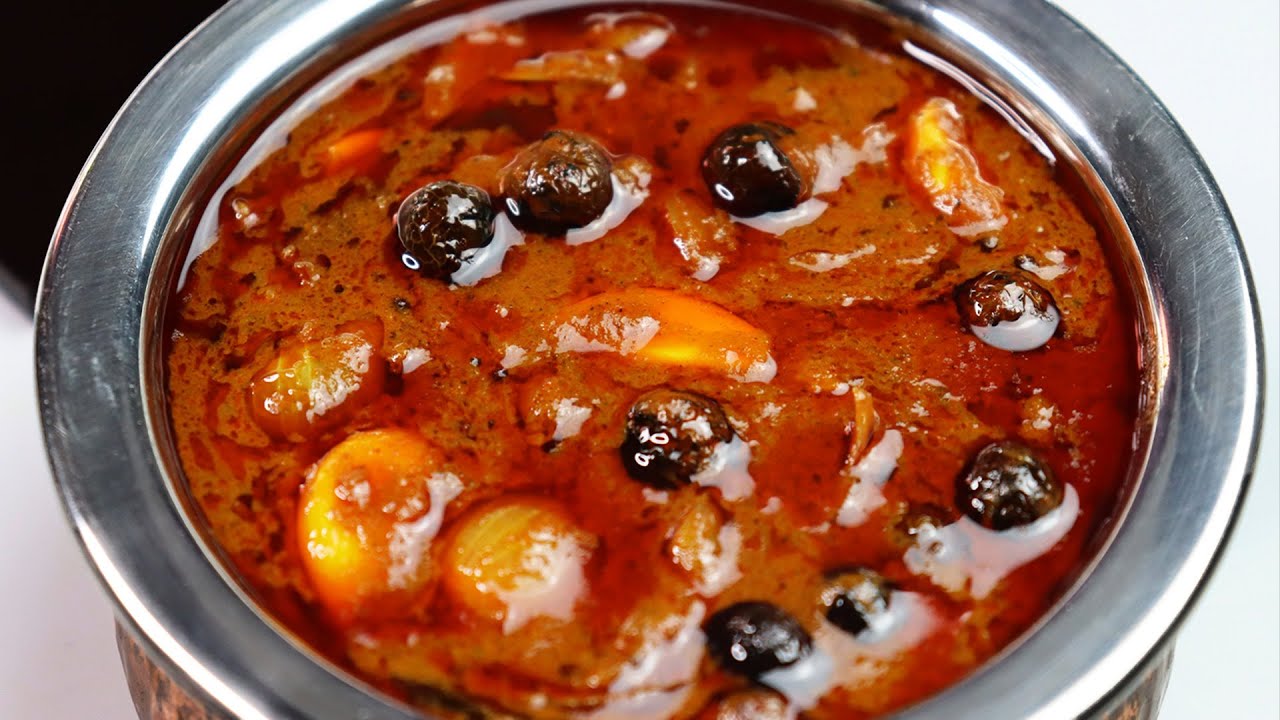
Masala Sundal Recipe | Spicy Chickpea Sundal Two Ways
Authentic South Indian Food Creator · Home Chef

Rate this recipe
Sundal is one of the most beloved and sacred snacks in Tamil cuisine, made by tempering boiled legumes with fresh coconut, mustard seeds, and aromatic spices. This humble yet deeply satisfying dish has been a part of Tamil cooking for generations. Whether made with chickpeas, black-eyed peas, or green moong, sundal carries the essence of South Indian flavour in every single bite. It is simple, nutritious, and rooted in the rich culinary traditions that Tamil families have proudly passed down through the ages.
For Tamil families across the world, sundal is not just a snack — it is an emotion tied to festivals and devotion. It is most famously prepared during Vinayagar Chaturthi as a neivedyam offering to Lord Ganesha, and also lovingly made for Krishna Jayanthi, Navratri Golu, and Ayudha Pooja. The fragrant smell of mustard seeds popping in hot oil and the sweetness of fresh coconut instantly brings back memories of festive mornings in grandmother's kitchen, where large batches of sundal were made with love and offered to God before being shared with family and neighbours.
What makes this masala sundal recipe extra special is that we are preparing it in two delicious ways — a spicy masala version and a simple non-spicy version — so every member of the family is happily served. The key to a perfect sundal is soaking the legumes overnight for a soft yet firm texture and using freshly grated coconut for that authentic flavour. A quick tadka with dry red chillies, curry leaves, and asafoetida ties everything together beautifully. This recipe is beginner-friendly and festival-ready in under thirty minutes.
Looking for more snacks recipes? Browse all vegetarian recipes →
Ingredients(19 items)
Instructions
💡 Tap a step to mark it doneWash the dried white chickpeas thoroughly under running water. Soak them in 3 cups of water for at least 8 hours or overnight. This is the most important step — proper soaking ensures the chickpeas cook evenly and have a soft yet firm bite that is perfect for sundal.
Drain the soaked chickpeas and transfer them to a pressure cooker. Add fresh water just enough to cover the chickpeas, and add a pinch of salt. Pressure cook on medium flame for 3 to 4 whistles until the chickpeas are cooked through but not mushy. They should hold their shape. Drain and set aside.
Now we will prepare the Simple Non-Spicy Sundal first. Heat 1 teaspoon of coconut oil in a pan over medium flame. Once hot, add mustard seeds and let them splutter well. Add urad dal and fry until it turns light golden.
Add 1 dried red chilli broken in half, a sprig of curry leaves, and a generous pinch of asafoetida. Fry for a few seconds until the curry leaves turn crisp and aromatic. The asafoetida is key to authentic sundal flavour — do not skip it.
Add the cooked and drained chickpeas to the pan. Mix well to coat all the chickpeas with the tempering. Add salt to taste and mix on medium flame for 1 to 2 minutes so the flavours absorb well into the chickpeas.
Turn off the flame and add 2 tablespoons of freshly grated coconut to the non-spicy sundal. Mix gently. Add a squeeze of lemon juice and stir. Your simple non-spicy sundal is ready to be offered as neivedyam or served as a healthy snack.
Now prepare the Masala Sundal. Heat 1 teaspoon of oil in a separate pan. Add mustard seeds and let them splutter. Add urad dal, 1 dried red chilli, slit green chilli, curry leaves, and asafoetida. Sauté for a few seconds.
Add the finely chopped onion and sauté on medium flame until the onions turn soft and lightly golden. Then add the ginger garlic paste and fry for about a minute until the raw smell disappears completely.
Lower the flame and add turmeric powder, red chilli powder, coriander powder, and garam masala. Mix well and fry the masala for about 1 minute so the spices are cooked and no longer smell raw. If the masala sticks to the pan, sprinkle a little water and stir.
Add the cooked chickpeas to the masala pan and mix everything together well. Taste and adjust salt as needed. Cook on medium flame for 2 to 3 minutes so the chickpeas absorb all the spiced masala flavours beautifully.
Turn off the flame and add the remaining 1 tablespoon of freshly grated coconut, a squeeze of lemon juice, and the chopped fresh coriander leaves. Mix gently and serve hot. Your masala sundal is ready — flavourful, spicy, and absolutely delicious.
Tips and Tricks
- Always soak the dried chickpeas for a minimum of 8 hours. Under-soaked chickpeas will remain hard even after pressure cooking and will not absorb the tempering flavours as well. If you are short on time, soak in hot water for 3 to 4 hours as a quick alternative.
- Use freshly grated coconut for the most authentic and flavourful sundal. Frozen or desiccated coconut can be used in a pinch, but fresh coconut gives that true festival kitchen aroma and sweetness that Tamil families love. Add the coconut only after turning off the flame to keep it fresh.
- For the neivedyam or offering version of sundal, stick to the simple non-spicy recipe without onion or garlic. This is the traditional practice for festival cooking in Tamil households. The masala version with onion is a wonderful everyday tea-time snack version loved by everyone at home.
⚠️ Nutrition values could not be verified for this recipe. Please check manually.
Related Tags