Methi Potato Fry | Venthaya Keerai Urulai Kizhangu Varuval
Authentic South Indian Food Creator · Home Chef
Rate this recipe
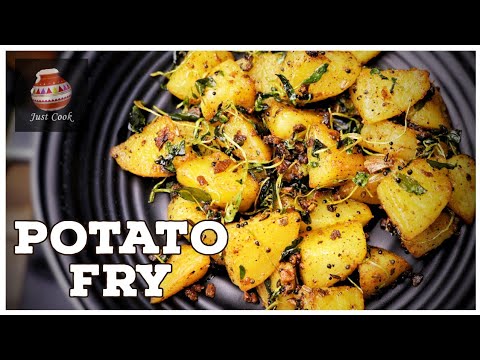
Venthaya Keerai Urulai Kizhangu Varuval is a classic South Indian stir-fry that beautifully combines the earthy bitterness of fresh fenugreek leaves with crispy golden potatoes. This dish has deep roots in Tamil home cooking, where fenugreek leaves, known as venthaya keerai, have been used for centuries not just for their distinctive flavour but also for their incredible medicinal value. It is a humble yet flavourful dish that sits proudly alongside steamed rice and sambar on any Tamil dining table.
Tamil families absolutely adore this dish because it strikes the perfect balance between health and taste. Methi leaves are known to regulate blood sugar, aid digestion, and boost immunity, making this fry a guilt-free comfort food that mothers lovingly prepare for their children. It is a popular weekday lunch recipe made when fresh fenugreek bunches arrive at the local market. Though not tied to a specific festival, this dish is a staple in everyday Tamil cooking and often features in simple homemade meals during winter months when methi is at its freshest and most fragrant.
What makes this recipe truly special is how the slight bitterness of methi leaves mellows beautifully when cooked with crispy potatoes, tangy spices, and a generous tempering of mustard seeds and dried red chillies. The key to perfection is parboiling the potatoes just right so they turn crispy on the outside while staying soft inside. Using a wide iron kadai and cooking on medium-high heat ensures that gorgeous golden crust. Fresh methi leaves must be added last to preserve their colour and nutritional goodness.
Looking for more curry recipes? Browse all vegetarian recipes →
Ingredients(18 items)
Instructions
💡 Tap a step to mark it donePeel and cut the potatoes into small even cubes, approximately 1 to 1.5 cm in size. Rinse them well under cold water to remove excess starch, which helps them become crispy when frying. Parboil the potato cubes in salted water for about 5 to 6 minutes until they are just half cooked. They should be firm but a skewer should go through with slight resistance. Drain them completely and spread on a plate to air dry for 5 minutes.
Pick the methi leaves from the stems, wash them thoroughly in two to three changes of water to remove any dirt or grit. Chop them roughly and set aside. To reduce the bitterness slightly, you can lightly sprinkle salt over the chopped methi leaves, leave for 5 minutes, then squeeze out the moisture before using. This step is optional but recommended if you prefer a milder flavour.
Heat 2 tablespoons of oil in a wide heavy-bottomed kadai or iron pan over medium-high heat. Once the oil is hot, add the parboiled potato cubes in a single layer. Do not stir immediately. Let them fry undisturbed for 3 to 4 minutes so a golden crust forms on the bottom. Then gently toss and fry all sides until the potatoes are crispy and golden brown all over. Remove and set aside on a plate.
In the same kadai, add the remaining 1 tablespoon of oil. Once hot, add mustard seeds and let them splutter. Then add the cumin seeds, dried red chillies, and curry leaves. Fry for 30 seconds on medium heat until fragrant. The tempering is the heart of any Tamil fry, so allow each element to release its full aroma before moving to the next step.
Add the finely chopped onions and slit green chilli to the tempering. Sauté on medium heat for 4 to 5 minutes until the onions turn soft and lightly golden at the edges. Then add the minced garlic and fry for another minute until the raw smell of garlic disappears and it turns a light golden colour. Keep stirring to prevent any burning at the bottom of the pan.
Lower the heat slightly and add the dry spice powders: turmeric, red chilli powder, coriander powder, cumin powder, and garam masala. Stir everything together quickly and cook for about 1 minute so the spices bloom in the oil and coat the onions evenly. If the masala sticks to the pan, sprinkle a tiny dash of water and stir. This step builds the deep flavour base for the entire dish.
Add the chopped methi leaves to the spiced onion masala. Toss well and cook on medium heat for 2 to 3 minutes, stirring regularly. The methi leaves will wilt down significantly and turn a deeper green. Cook until most of the moisture from the leaves has evaporated and the mixture looks dry and fragrant. The lovely aroma of fenugreek mingling with the spices at this stage is absolutely wonderful.
Add the crispy fried potato cubes back into the pan. Sprinkle the amchur powder and salt to taste. Toss everything gently but thoroughly so that every potato cube is coated with the fragrant methi masala. Cook together on medium-high heat for 2 to 3 more minutes, tossing occasionally, until the potatoes are well combined with the masala and everything is piping hot. Taste and adjust salt or spice if needed.
Turn off the heat and garnish with freshly chopped coriander leaves. Transfer the Venthaya Keerai Urulai Kizhangu Varuval to a serving dish. Serve hot and fresh alongside steamed white rice with sambar or rasam, or as a side dish with roti and chapati. This fry tastes best when served immediately while the potatoes are still crispy and the methi aroma is at its most fragrant.
Tips and Tricks
- Always parboil the potatoes just halfway and ensure they are completely dry before frying. Any moisture on the surface will cause the potatoes to steam instead of fry, and you will lose that beautiful golden crispy texture that makes this dish so irresistible.
- Use a cast iron kadai or a thick-bottomed pan for best results. The even heat distribution ensures the potatoes fry to a uniform crispy golden colour without burning. Avoid overcrowding the pan, as this traps steam and makes the potatoes soft instead of crispy.
- Fresh methi leaves work best in this recipe. If the leaves taste very bitter, sprinkle a pinch of salt on them, let sit for 5 minutes, and squeeze out the liquid before adding to the dish. Baby methi leaves are naturally less bitter and have a more delicate flavour if available.
⚠️ Nutrition values could not be verified for this recipe. Please check manually.
Related Tags