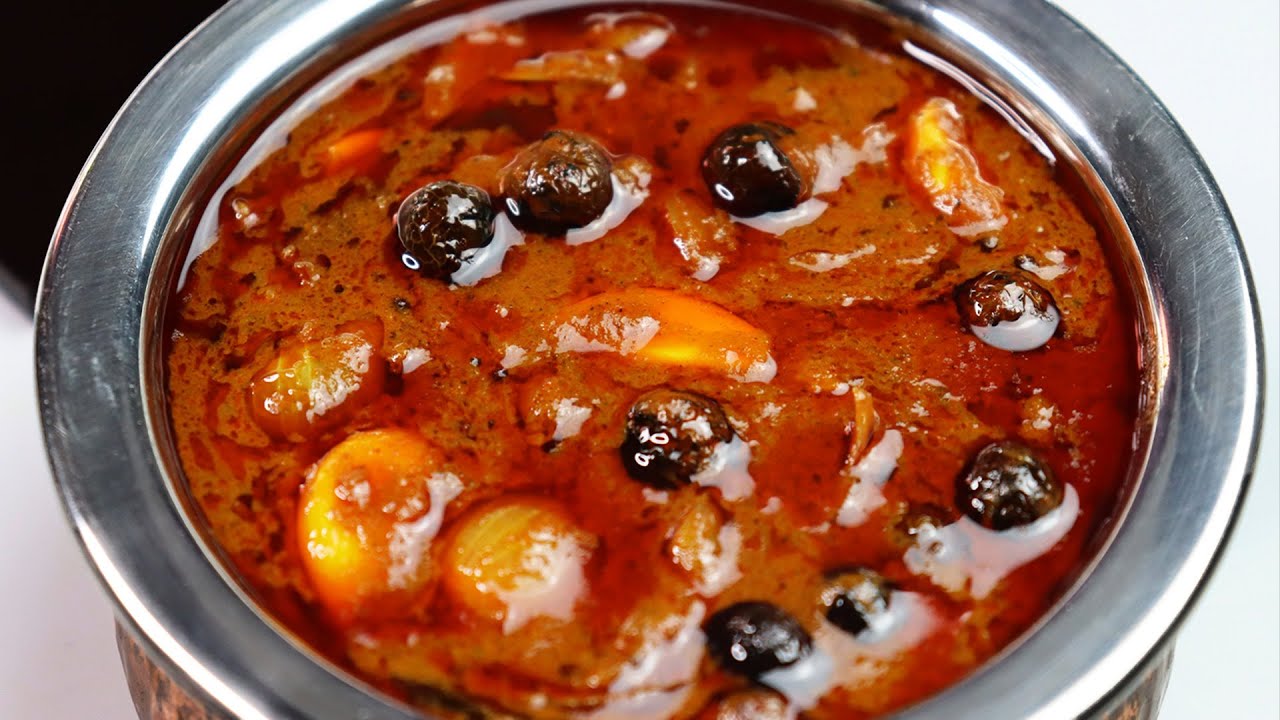
Mor Kulambu / Buttermilk Kulambu Without Vegetables
Authentic South Indian Food Creator · Home Chef

Rate this recipe
Mor Kulambu is one of the most cherished and timeless dishes in Tamil cuisine, crafted from tangy buttermilk blended with a freshly ground coconut and spice paste. This light yet deeply flavorful kulambu has its roots in traditional South Indian Brahmin and everyday Tamil home cooking, where yogurt-based dishes were a staple long before modern conveniences arrived. Unlike tamarind-heavy gravies, Mor Kulambu carries a gentle sourness from curd that feels both refreshing and deeply satisfying when ladled over steamed white rice.
Tamil families absolutely adore Mor Kulambu because it is the ultimate comfort food for warm afternoons and busy weekdays. It requires no onion, no tomato, and no vegetables, making it a go-to dish during fasting days, Ekadashi, and religious occasions when simplicity is valued. Many grandmothers across Tamil Nadu and Sri Lankan Tamil households have their own prized version of this recipe passed down through generations. It pairs beautifully with rice, papad, and a simple potato fry, creating a complete and satisfying meal that feels like a warm hug from home.
What makes this particular recipe truly special is its effortless simplicity — even a beginner cook can master it in under 30 minutes with ingredients that are almost always available in a South Indian kitchen. The key to a perfect Mor Kulambu lies in using slightly sour curd, not over-cooking after adding the buttermilk to prevent it from splitting, and getting the coconut paste perfectly smooth. Always finish with a fragrant mustard and curry leaf tempering for that authentic Tamil kitchen aroma that fills the entire home.
Looking for more curry recipes? Browse all vegetarian recipes →
Ingredients(15 items)
Instructions
💡 Tap a step to mark it donePrepare the buttermilk base by whisking the sour curd with 1.5 cups of water until smooth and lump-free. Add turmeric powder and salt, whisk again, and set aside. Using slightly sour curd gives the kulambu its authentic tangy flavor.
In a mixer or blender, combine the fresh grated coconut, green chilies, cumin seeds, black pepper, raw rice, and ginger. Add 3 to 4 tablespoons of water and grind everything into a very smooth, fine paste. The raw rice acts as a thickening agent, so do not skip it.
Add the ground coconut paste into the whisked buttermilk mixture. Stir everything together thoroughly until the paste is fully incorporated into the liquid. Taste at this stage and adjust salt if needed. The mixture should smell fragrant and look a pale creamy yellow color.
Pour the buttermilk and coconut mixture into a wide pan or kadai. Place it on medium-low heat and stir continuously as it warms up. This is the most important step — do not let the kulambu come to a full rolling boil or the curd will curdle and the kulambu will split.
Keep stirring gently on medium-low heat until the kulambu is just hot and you can see steam rising and tiny bubbles forming at the edges. Once it reaches this point, reduce the heat to the lowest setting and keep it warm while you prepare the tempering. Never boil vigorously.
In a small tempering pan, heat coconut oil or sesame oil over medium heat. Once hot, add the mustard seeds and let them splutter completely. Then add the dried red chilies broken in half, followed by the curry leaves. Let the curry leaves crackle for a few seconds, then add a pinch of asafoetida and stir once.
Pour the hot tempering immediately into the warm Mor Kulambu and stir gently to combine. The sizzle and aroma that fills the kitchen at this point is the heart and soul of Tamil cooking. Switch off the heat and cover the pan for 2 minutes to let the flavors meld together beautifully.
Serve the Mor Kulambu hot over freshly steamed white rice. It pairs wonderfully with papad, pickle, and a side dish like potato fry or raw banana fry. For best flavor, serve immediately as the kulambu thickens as it cools. Stir gently before serving if it has been resting.
Tips and Tricks
- Always use slightly sour curd for authentic flavor — fresh sweet curd will not give the correct tangy taste that makes Mor Kulambu special. If your curd is not sour enough, leave it at room temperature for a few extra hours before using.
- Never boil Mor Kulambu on high heat or at a full rolling boil. The curd will split and curdle, ruining the texture. Always heat on medium-low and stir continuously, removing from heat the moment it is steaming hot.
- For a thicker consistency, increase the raw rice in the grinding paste to 2 teaspoons. For a thinner, soup-like kulambu, reduce the coconut slightly and add a little more water to the buttermilk before heating.
Nutrition Info (per serving)
AI Estimated Values per serving
Related Tags