Mudakkathan Keerai Dosai (Balloon Vine Leaf Dosa)
Authentic South Indian Food Creator · Home Chef
Rate this recipe
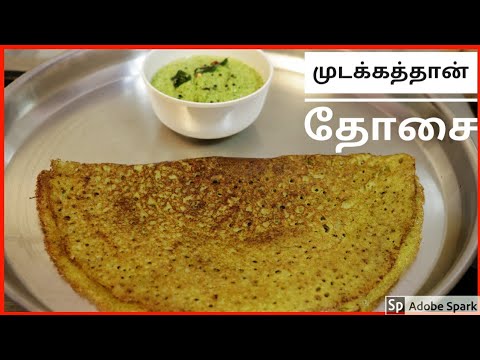
Mudakkathan Keerai Dosai is a traditional Tamil dish made using the leaves of the balloon vine plant, known botanically as Cardiospermum halicacabum. This humble creeper grows wild across Tamil Nadu and has been deeply embedded in South Indian herbal culinary traditions for centuries. The word 'mudakkathan' in Tamil refers to joint stiffness, and this plant earned its name from its remarkable ability to relieve joint-related discomfort. Ground into a wholesome dosa batter, these small green leaves transform an everyday breakfast into a powerful medicinal meal.
Tamil families have long treasured Mudakkathan Keerai Dosai as more than just a breakfast staple — it is a loving remedy passed down from grandmothers who understood the healing power of nature's kitchen. Elders often prepare this dosa during the winter months when joint pain and stiffness tend to flare up. It is a common Sunday morning dish in many households, especially for older family members and those recovering from arthritis. The dosai carries a warmth of care that makes it deeply personal and nostalgic for anyone who grew up in a traditional Tamil home.
What makes this recipe truly special is its beautiful simplicity. You only need a handful of ingredients — rice, urad dal, and fresh mudakkathan leaves — to create something deeply nourishing. The batter is prepared just like a classic dosa batter with an overnight fermentation that ensures soft, golden crepes full of flavour. For the best results, use freshly picked mudakkathan leaves, grind the batter to a smooth consistency, and cook on a well-seasoned cast iron tawa over medium heat. Serve hot with coconut chutney for a complete healing breakfast.
Looking for more breakfast recipes? Browse all vegetarian recipes →
Ingredients(7 items)
Instructions
💡 Tap a step to mark it doneWash the raw rice, urad dal, and fenugreek seeds thoroughly under running water. Soak them together in enough water for at least 6 to 8 hours or overnight. This soaking helps soften the grains for smooth grinding and aids fermentation.
While the rice and dal soak, pick the mudakkathan keerai leaves carefully from the stem, discarding any yellowed or damaged leaves. Wash them well in multiple changes of water to remove any dirt or insects since this is a wild herb. Drain and set aside.
Drain the soaked rice and dal mixture. Add it to a wet grinder or blender along with the washed mudakkathan keerai leaves. Add water little by little and grind to a smooth, slightly thick batter. The green leaves will blend completely into the batter, turning it a beautiful pale green colour.
Transfer the ground batter to a large bowl. Add salt and mix well with your clean hand. The warmth of your hand encourages fermentation. Cover the bowl with a lid and allow the batter to ferment in a warm spot for 8 to 12 hours or overnight. In cooler climates, place it inside a switched-off oven to help fermentation.
After fermentation, the batter should have risen slightly and smell pleasantly sour. Gently mix the batter with a ladle. Check the consistency — it should be like a regular dosa batter, pourable but not too runny. Adjust with a small splash of water if needed.
Heat a cast iron tawa or non-stick dosa pan over medium-high heat. Once hot, reduce the heat to medium. Drizzle a few drops of water onto the tawa — if they sizzle and evaporate immediately, the pan is ready. Lightly grease the surface with a few drops of gingelly oil using a folded cloth or cut onion.
Pour one ladle of the mudakkathan dosa batter onto the centre of the hot tawa. Quickly spread it in a circular motion from the centre outwards to form a thin, even round dosa. Drizzle a few drops of gingelly oil or coconut oil around the edges and on top of the dosa.
Cook the dosa on medium heat until the edges begin to lift and the underside turns golden and crisp, about 1 to 2 minutes. You do not need to flip this dosa if it is spread thin enough. For a thicker version, flip gently and cook the other side for another 30 seconds until done.
Remove the dosa from the tawa and serve immediately while hot. Repeat the process with the remaining batter, lightly greasing the pan between each dosa. Serve the mudakkathan keerai dosai with fresh coconut chutney or a simple onion-tomato chutney for a wholesome breakfast.
Tips and Tricks
- Always use freshly picked mudakkathan keerai leaves for the best medicinal benefit and flavour. Avoid using wilted or dried leaves as the potency and the natural aroma will be significantly reduced.
- If you cannot find a wet grinder, a high-powered blender works well — grind in short bursts and scrape down the sides to ensure the leaves and rice blend into a completely smooth, lump-free batter.
- For extra crispy dosas, spread the batter as thin as possible and cook on a well-seasoned cast iron tawa. A non-stick pan gives softer dosas which are equally delicious and better suited for children and elderly family members.
Nutrition Info (per serving)
AI Estimated Values per serving
Related Tags