Murungai Keerai Kulambu (Drumstick Leaves Kulambu)

Authentic South Indian Food Creator · Home Chef

Rate this recipe
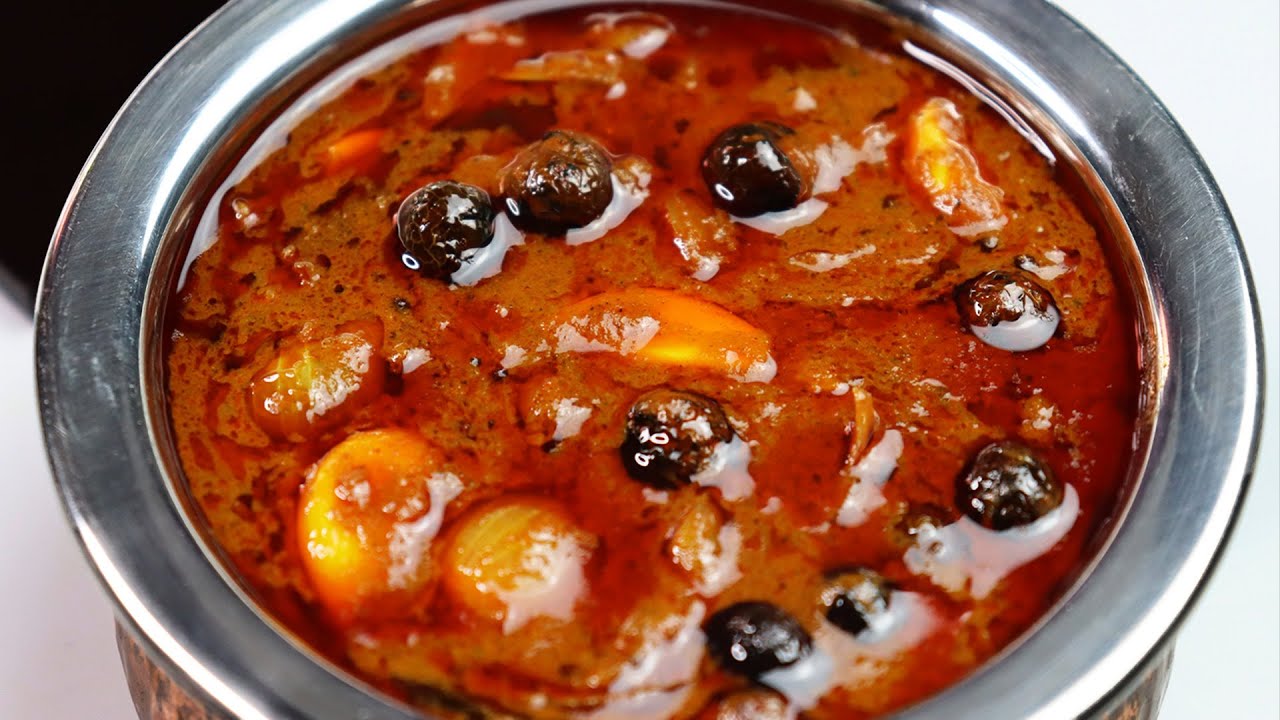
Murungai Keerai Kulambu is a deeply nourishing and aromatic Tamil curry made with fresh drumstick leaves simmered in a tangy tamarind base enriched with lentils and fragrant spices. This humble yet soulful dish belongs to the heart of Tamil Nadu's everyday home cooking tradition. Known for its earthy green colour and the irresistible fragrance of ghee tempered over it at the final stage, this kulambu is a timeless staple that connects every Tamil household to its roots and culinary heritage passed down through generations.
Tamil families absolutely adore this kulambu for its comforting warmth and incredible health benefits. Murungai keerai, or moringa leaves, are considered a superfood in Tamil culture, celebrated for boosting immunity, improving digestion, and nourishing growing children and new mothers alike. This dish is lovingly prepared on regular weekdays as a wholesome lunch alongside steamed rice and a simple potato or yam fry. Grandmothers across Tamil Nadu have always insisted on adding drumstick leaves to the weekly menu, and that tradition continues proudly in kitchens around the world today.
What makes this particular recipe truly special is the finishing touch of pure ghee poured over the hot kulambu just before serving, releasing an intoxicating aroma that fills the entire home. The combination of toor dal, tamarind, tomatoes, and freshly ground spices creates a perfectly balanced flavour that is both tangy and mildly spiced. For best results, always use freshly plucked tender drumstick leaves, avoid overcooking the greens to retain their vibrant colour, and never skip the ghee tempering because it elevates this simple kulambu to something truly unforgettable.
Looking for more curry recipes? Browse all vegetarian recipes →
Ingredients(20 items)
Instructions
💡 Tap a step to mark it doneWash the toor dal thoroughly and pressure cook it with 1 cup of water and a pinch of turmeric for 3 to 4 whistles until completely soft and mushy. Once pressure releases, mash the cooked dal well with a ladle and set aside.
Soak the tamarind in 1 cup of warm water for 10 minutes. Squeeze out the juice thoroughly, strain to remove seeds and fibre, and keep the tamarind extract ready.
Carefully pick the drumstick leaves from the stalks, discarding any tough stems. Rinse the leaves gently in a colander under running water twice, drain well, and keep aside.
Heat sesame oil in a deep kadai or pot over medium flame. Once hot, add mustard seeds and let them splutter fully. Then add cumin seeds, dry red chillies, curry leaves, and asafoetida. Fry for 30 seconds until fragrant.
Add the finely chopped onions and slit green chillies to the kadai. Sauté over medium flame for 4 to 5 minutes until the onions turn soft, translucent, and lightly golden at the edges.
Add the crushed or minced garlic cloves and sauté for another 1 to 2 minutes until the raw garlic smell disappears and it turns lightly golden.
Add the chopped tomatoes and cook over medium flame for 4 to 5 minutes, stirring occasionally, until the tomatoes break down completely and the oil starts to separate from the masala.
Add turmeric powder, red chilli powder, coriander powder, and sambar powder to the cooked tomato-onion base. Mix well and sauté for 2 minutes on low flame so the spices are cooked through and aromatic without burning.
Pour in the tamarind extract and add 1 to 1.5 cups of water. Stir everything together, bring to a boil over medium-high flame, and let the kulambu simmer for 7 to 8 minutes until the raw tamarind smell cooks off completely.
Add the mashed toor dal to the simmering kulambu and mix well. Adjust consistency by adding more water if needed. The kulambu should be medium-thick, not too watery. Let it cook together for 3 minutes.
Add the cleaned drumstick leaves to the kulambu along with salt to taste. Stir gently, reduce flame to low, cover with a lid, and cook for 4 to 5 minutes only. Do not overcook the leaves as they will lose their vibrant green colour and nutrients.
Taste and adjust salt and sourness at this point. If the kulambu is too thick, add a splash of hot water and simmer for one more minute to bring it to the desired consistency.
Turn off the flame and immediately drizzle hot ghee generously over the kulambu. The ghee will release a beautiful, irresistible aroma as it hits the hot curry. Serve immediately with steamed rice alongside potato fry or yam fry and enjoy the wholesome meal.
Tips and Tricks
- Always use fresh, tender drumstick leaves for the best flavour and nutrition. Older, tougher leaves can taste slightly bitter. If the leaves are older, briefly blanch them in hot water before adding to the kulambu to reduce bitterness.
- Do not skip or reduce the ghee drizzled at the end. The ghee is what gives this kulambu its signature aroma and rich taste that sets it apart from a regular sambar. Use good quality pure cow's ghee for the most authentic result.
- Sesame oil (nallennai) is the traditional and preferred cooking oil for this kulambu as it pairs beautifully with the tamarind and enhances the authentic Tamil flavour profile. Avoid substituting with refined oils if possible for the most traditional taste.
Related Tags