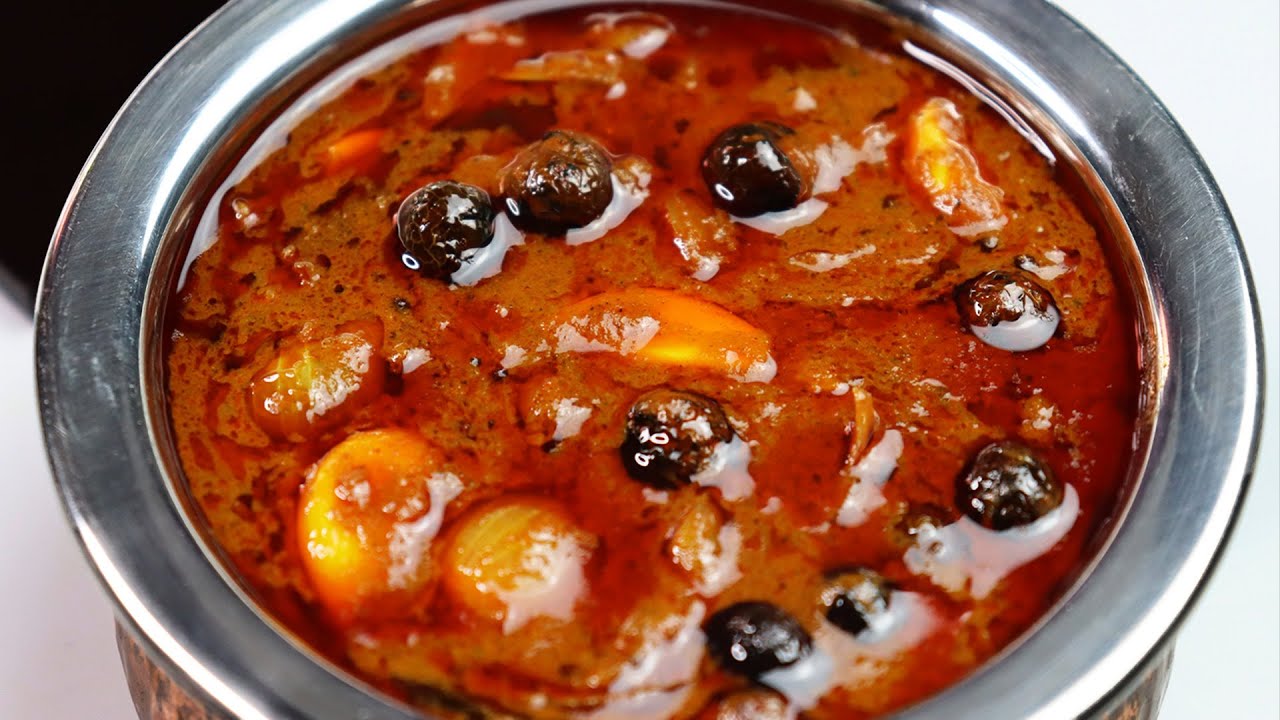
Murungaikai Piratal | Drumstick Masala Stir Fry
Authentic South Indian Food Creator · Home Chef

Rate this recipe
Murungaikai Piratal is a beloved South Indian dry curry made with tender drumstick pieces tossed in aromatic spices, freshly grated coconut, and sautéed onions. This dish originates from the heart of Tamil Nadu home cooking, where drumsticks — known as murungaikai — have been a cherished vegetable for centuries. Packed with nutrients and bursting with earthy flavors, this stir fry is a staple side dish that pairs beautifully with steaming white rice and sambar, making it a truly wholesome Tamil meal.
Tamil families absolutely adore murungaikai in all its forms, but the piratal version holds a very special place at the dining table. It is commonly prepared on weekdays as a quick and nutritious side dish, but it also graces festive menus during Pongal, Tamil New Year, and family get-togethers. Grandmothers across Tamil Nadu have their own cherished versions passed down through generations, and making this dish fills the kitchen with warm, nostalgic aromas that remind everyone of home-cooked comfort and love.
What makes this recipe truly special is the combination of freshly ground coconut with bold spices like red chilli, coriander, and cumin that cling beautifully to each drumstick piece. The key to a perfect piratal is cooking the drumsticks just until tender — not mushy — and finishing the dish on high heat to get that lovely roasted, slightly caramelized coating. Use fresh drumsticks for the best flavor, and do not skip the final tempering of mustard seeds and curry leaves, which gives this dish its signature Tamil touch.
Looking for more curry recipes? Browse all vegetarian recipes →
Ingredients(19 items)
Instructions
💡 Tap a step to mark it doneWash the drumstick pieces thoroughly under running water. Scrape the outer skin lightly with a knife if the drumsticks are mature. Set aside. Finely chop the onions and tomatoes, and mince the garlic and ginger.
Heat 1 tablespoon of oil in a pan over medium heat. Add the drumstick pieces with a pinch of turmeric and salt. Sauté for 3 to 4 minutes until they are lightly coated with oil and begin to turn slightly golden on the edges. Add 1/4 cup of water, cover the pan with a lid, and cook on medium-low heat for 8 to 10 minutes until the drumsticks are just tender. Remove from the pan and set aside.
In the same pan, heat the remaining 2 tablespoons of oil over medium heat. Add mustard seeds and let them splutter. Then add cumin seeds and dry red chillies, and fry for 30 seconds until fragrant.
Add the curry leaves and finely chopped onions. Sauté on medium heat for 6 to 8 minutes, stirring frequently, until the onions turn golden brown and soft. This step is crucial for building a deep, rich base for the masala.
Add the minced garlic and ginger to the pan. Stir well and cook for 1 to 2 minutes until the raw smell disappears completely and the mixture becomes aromatic.
Add the chopped tomatoes to the pan. Mix well and cook for 4 to 5 minutes on medium heat, mashing the tomatoes gently as they cook, until they become soft and the oil begins to separate from the mixture.
Now add coriander powder, cumin powder, red chilli powder, turmeric powder, and garam masala. Mix everything together well and cook the spices for 2 minutes on medium heat, stirring continuously so they do not burn. This blooms the spices and intensifies the flavor of the masala.
Add the freshly grated coconut to the spice mixture. Stir well and cook for 1 to 2 minutes until the coconut is lightly toasted and fully incorporated into the masala. The coconut adds a wonderful texture and subtle sweetness to the dish.
Add the pre-cooked drumstick pieces to the pan. Gently toss everything together so the masala coats each drumstick piece evenly. Add salt to taste. Cook on medium-high heat for 4 to 5 minutes, stirring occasionally, allowing the masala to cling to the drumsticks and the dish to dry out to a beautiful piratal consistency.
Taste and adjust seasoning as needed. Garnish with freshly chopped coriander leaves. Serve hot as a side dish with steamed white rice and sambar or rasam for a complete traditional Tamil meal.
Tips and Tricks
- Do not overcook the drumsticks when pre-cooking them in step 2 — they should be just tender enough to eat but still hold their shape. Overcooked drumsticks will fall apart and become mushy when tossed in the masala.
- Using sesame oil or coconut oil instead of regular refined oil makes a huge difference in the authentic South Indian flavor of this dish. The nutty aroma of sesame oil in particular complements the drumstick beautifully.
- If you want a slightly richer and deeper flavor, dry roast the grated coconut separately in a small pan until it turns light golden before adding it to the masala. This gives the piratal a wonderful toasted coconut aroma.
⚠️ Nutrition values could not be verified for this recipe. Please check manually.
Related Tags