Muttai Kulambu | South Indian Egg Curry

Authentic South Indian Food Creator · Home Chef

Rate this recipe
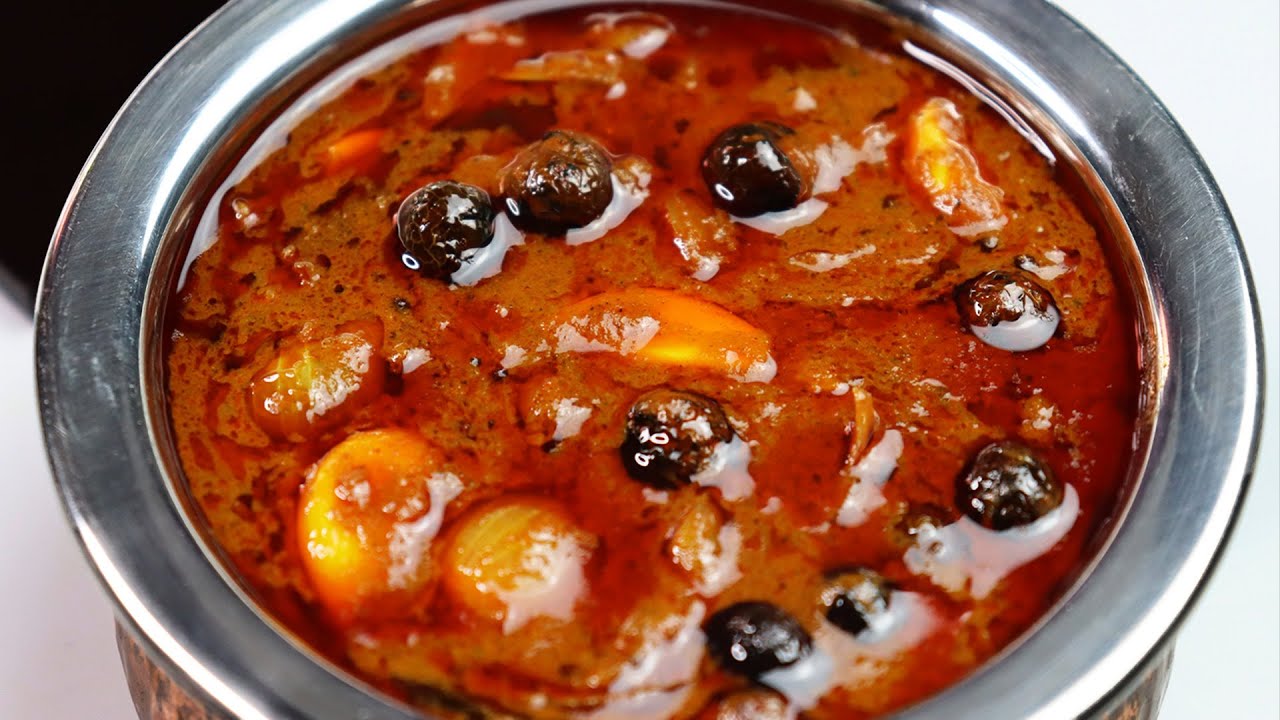
Muttai Kulambu, or South Indian Egg Curry, is a beloved staple of Tamil cuisine that has graced dining tables across Tamil Nadu for generations. This rich, tangy tamarind-based curry is built on a foundation of aromatic spices, freshly ground masala, and perfectly boiled eggs simmered together into a deeply flavourful gravy. Rooted in the everyday cooking traditions of Tamil homes, this kulambu captures the essence of South Indian comfort food — bold, earthy, and soul-satisfying in every spoonful.
Tamil families adore Muttai Kulambu for its simplicity, affordability, and incredible depth of flavour. It is a dish that appears on Sunday lunch spreads, packed into school lunch boxes, and served lovingly during festive family gatherings. Many households prepare this kulambu during Karthigai Deepam and other home-centric celebrations when a hearty, satisfying meal is desired. Paired with hot steamed rice, idli, or dosa, this egg curry satisfies the whole family and brings everyone together around the table with warmth and joy.
What makes this particular recipe truly special is the freshly prepared ground masala that elevates the kulambu far beyond a simple everyday curry. By roasting and blending your own spice paste, you unlock layers of flavour that store-bought powders simply cannot match. The key to the best results is allowing the masala to cook well in the oil until it turns deep and fragrant before adding tamarind water. Always use fresh eggs and let them rest in the simmering gravy for at least five minutes so they absorb all the wonderful spice flavours beautifully.
Looking for more curry recipes? Browse all recipes →
Ingredients(20 items)
Instructions
💡 Tap a step to mark it doneHard boil all 5 eggs by placing them in a saucepan with enough water to cover. Bring to a boil and cook for 10 minutes. Remove, cool under cold running water, then peel the shells carefully. Using a knife, make 2 to 3 shallow slits on each egg so the masala can penetrate deeply during cooking. Set aside.
Prepare the ground masala by dry roasting the coriander seeds, dry red chillies, cumin seeds, black pepper, and fennel seeds in a pan over medium heat for 2 to 3 minutes until fragrant. Allow to cool slightly. Transfer to a blender along with the fresh grated coconut, garlic cloves, and ginger. Add 3 to 4 tablespoons of water and grind into a smooth, thick paste. Set aside.
Soak the tamarind in 1.5 cups of warm water for 10 minutes. Squeeze and extract the tamarind juice thoroughly, discarding the pulp and seeds. Set the tamarind water aside for later use.
Heat 3 tablespoons of gingelly oil in a wide heavy-bottomed pan or kadai over medium heat. Once hot, add the mustard seeds and let them splutter. Add the dry red chillies and curry leaves and fry for 30 seconds until aromatic.
Add the peeled pearl onions (shallots) to the pan and sauté over medium heat for 5 to 6 minutes, stirring frequently, until they turn golden brown and soft. The caramelisation of shallots is key to building a sweet-savoury base for this kulambu.
Add the chopped tomatoes to the pan and cook for 4 to 5 minutes, stirring occasionally, until they break down completely and the oil begins to separate from the mixture. Season with turmeric powder and mix well.
Add the freshly ground masala paste to the pan. Stir thoroughly to combine with the onion-tomato base. Cook this mixture over medium heat for 6 to 8 minutes, stirring frequently to prevent sticking, until the masala turns a deep reddish-brown colour and the raw smell of spices completely disappears and oil separates around the edges.
Pour in the extracted tamarind water slowly while stirring to combine everything together. Add salt to taste and mix well. Bring the gravy to a boil over medium-high heat, then reduce to a simmer and cook uncovered for 8 to 10 minutes, allowing the tamarind to cook through and the gravy to thicken to your desired consistency.
Gently add the boiled and slit eggs into the simmering kulambu. Spoon the gravy over the eggs to coat them well. Simmer on low heat for 5 minutes so the eggs absorb the flavours of the kulambu. Taste and adjust salt if needed.
Turn off the heat and garnish generously with freshly chopped coriander leaves. Allow the kulambu to rest for 5 minutes before serving. This resting time helps the flavours deepen further. Serve hot with steamed rice, idli, or dosa for a truly satisfying South Indian meal.
Tips and Tricks
- Always use gingelly (sesame) oil for authentic South Indian kulambu flavour — it adds a distinctive nuttiness that regular oil cannot replicate.
- Do not rush the masala cooking stage. Allow the ground paste to cook thoroughly until oil separates on the sides; this ensures there is no raw spice taste in the final curry.
- For a richer, thicker gravy, add an extra tablespoon of freshly grated coconut to the ground masala. If you prefer a thinner kulambu, simply add a little more water while simmering.
Related Tags