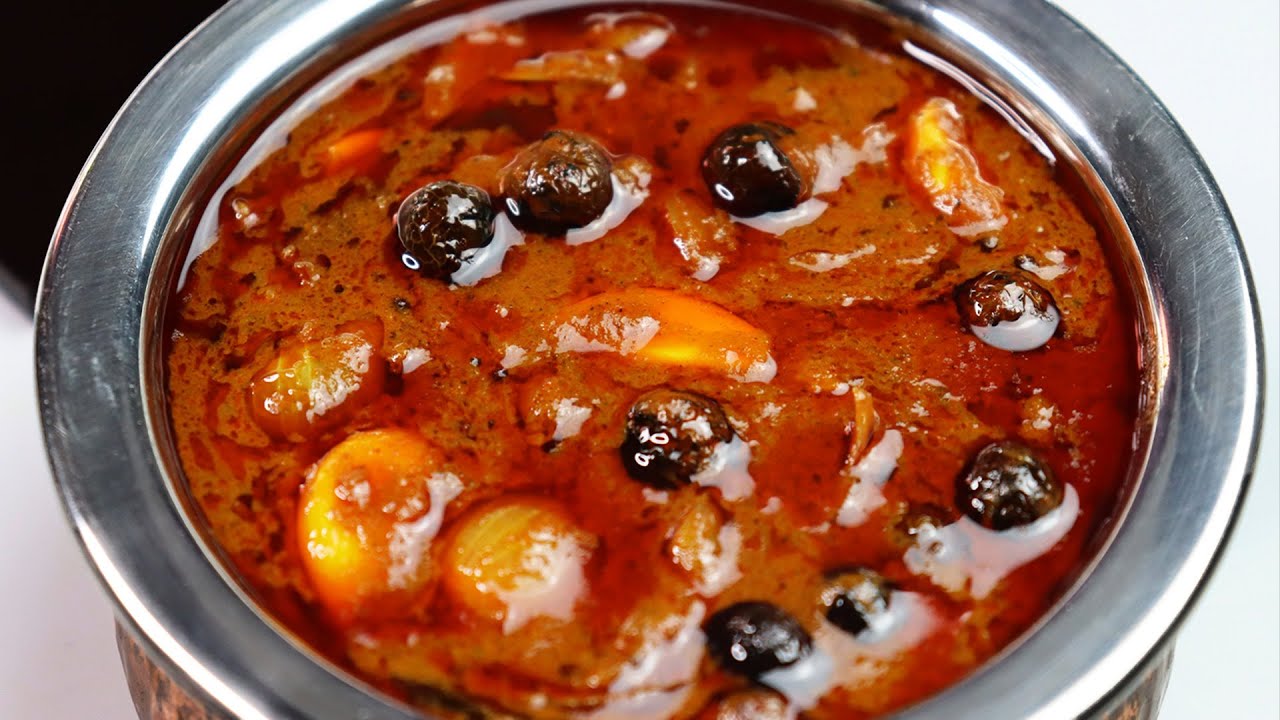
Mutton Biryani in Tamil Style

Authentic South Indian Food Creator · Home Chef

Rate this recipe
Mutton Biryani is one of the most beloved and iconic dishes in Tamil cuisine, deeply rooted in the rich culinary traditions of South India. This fragrant one-pot rice dish is made by slow-cooking tender mutton pieces with aged basmati rice, whole spices, and freshly ground masala. Tamil-style mutton biryani has its own unique identity compared to other regional versions, often featuring seeraga samba rice, coconut milk, and a bold spice blend that creates an unforgettable depth of flavor that warms the heart and soul of every Tamil food lover.
For Tamil families, mutton biryani is not just a meal — it is an emotion and a cherished Sunday ritual. The aroma of biryani cooking in the morning signals a special day ahead, bringing the entire family together around the dining table with excitement. This dish holds a treasured place during festive occasions like Eid, Bakrid, weddings, and family get-togethers. It is also lovingly prepared for birthdays and homecoming celebrations. When a Tamil family wants to express love and hospitality to guests, mutton biryani is almost always the first choice that comes to mind.
What makes this particular recipe truly special is how it delivers authentic restaurant-style mutton biryani right from your own kitchen using a pressure cooker, saving time without sacrificing any flavor. The key to a perfect biryani lies in properly marinating the mutton, caramelizing the onions to a deep golden brown, and cooking the rice to the ideal dum consistency. Using fresh whole spices and quality mutton with bone-in pieces will make all the difference. Follow each step carefully and you will impress every single person at your table.
Looking for more biryani recipes? Browse all recipes →
Ingredients(25 items)
Instructions
💡 Tap a step to mark it doneWash the mutton pieces thoroughly under cold water and drain well. In a large bowl, marinate the mutton with yogurt, half the ginger garlic paste (1 tablespoon), turmeric powder, 1 teaspoon red chilli powder, lemon juice, and a pinch of salt. Mix well so all pieces are evenly coated. Cover and let it marinate for at least 30 minutes. If time allows, marinate for 2 hours in the refrigerator for best results.
Wash the seeraga samba rice or basmati rice thoroughly under running water until the water runs clear. Soak the rice in enough water for 20 to 30 minutes. This step is very important as it helps the rice cook evenly and prevents it from becoming mushy during pressure cooking. After soaking, drain the rice completely and set aside.
Heat oil and ghee together in a pressure cooker over medium-high flame. Once hot, add the whole spices — bay leaves, cinnamon stick, cloves, cardamom pods, star anise, and marathi mokku. Let them sizzle for about 30 seconds until fragrant. Be careful not to burn the spices as this will make the biryani bitter.
Add the thinly sliced onions to the cooker and fry on medium flame, stirring frequently, until they turn a deep golden brown color. This caramelization process takes about 12 to 15 minutes and is the foundation of a flavorful biryani. Do not rush this step. The onions should be evenly browned without burning. Add the slit green chillies midway through frying.
Add the remaining ginger garlic paste (1 tablespoon) to the browned onions and fry for 2 to 3 minutes until the raw smell completely disappears. Then add the chopped tomatoes and cook on medium flame, stirring occasionally, until the tomatoes turn completely soft and the oil starts to separate from the mixture, about 5 to 6 minutes.
Reduce the flame to low and add the remaining red chilli powder, coriander powder, and biryani masala powder. Stir well and cook the masala for 2 minutes on low flame. Now add the marinated mutton pieces along with all the marinade. Mix everything well so the mutton is coated in the masala. Increase flame to medium-high and fry the mutton in the masala for 5 to 6 minutes, stirring occasionally.
Add the thick coconut milk to the cooker and stir well to combine. Toss in half of the mint leaves and half of the coriander leaves. Check the salt and adjust to taste. Add 2.5 cups of water to the cooker and bring the entire mixture to a rolling boil on high flame. The liquid should be slightly saltier than you prefer since the rice will absorb the seasoning.
Once the liquid is boiling, add the drained soaked rice evenly over the mutton and liquid. Do not stir the rice after adding it. Gently press the rice down so it is just submerged in the liquid. Scatter the remaining mint and coriander leaves on top. Close the pressure cooker lid tightly and cook on high flame until you see full steam.
Once full steam builds, place the weight (whistle) on the cooker and immediately reduce the flame to the lowest setting. Cook on this very low flame for exactly 15 minutes. This slow dum-style cooking inside the cooker allows the rice to absorb all the flavors from the mutton masala. Do not increase the flame during this time.
After 15 minutes, turn off the flame completely. Allow the pressure to release naturally — do not force release the steam as this can make the rice grain break. This resting time takes about 10 to 12 minutes. Once the pressure is fully released, carefully open the lid. You will see beautifully cooked fluffy rice sitting on top of tender mutton.
Using a wide flat spatula, gently fluff the biryani from the sides and fold it carefully without breaking the rice grains. Make sure to bring the mutton pieces from the bottom up while mixing. Taste and adjust salt if needed. Drizzle a teaspoon of ghee on top for extra richness and aroma. Your Tamil-style mutton biryani is now ready to serve.
Serve the hot mutton biryani generously on plates accompanied by onion raita, brinjal curry (kathirikkai curry), or a simple boiled egg. Garnish each serving with a few fresh coriander leaves and a wedge of lemon on the side. This biryani tastes best when eaten hot immediately after cooking, though leftovers reheat beautifully the next day with even deeper flavors.
Tips and Tricks
- Always use bone-in mutton pieces for biryani as the bones release natural collagen and fat while cooking, which adds incredible richness, depth, and body to the biryani gravy that boneless mutton simply cannot replicate.
- The ratio of rice to water is critical for pressure cooker biryani. For seeraga samba rice use 1:1.25 ratio and for basmati rice use 1:1.5 ratio. Including the coconut milk and moisture from the mutton gravy, the total liquid measured in this recipe is carefully balanced — do not add extra water or the biryani will become soggy.
- For extra tender mutton that falls off the bone, you can pre-cook the mutton separately in a pressure cooker with water, salt, and turmeric for 3 whistles before adding it to the biryani masala. This is especially helpful if you are using older goat meat which can take longer to cook through.
Related Tags