Mutton Liver Fry | Aatu Eeral Varuval
Authentic South Indian Food Creator · Home Chef

Rate this recipe
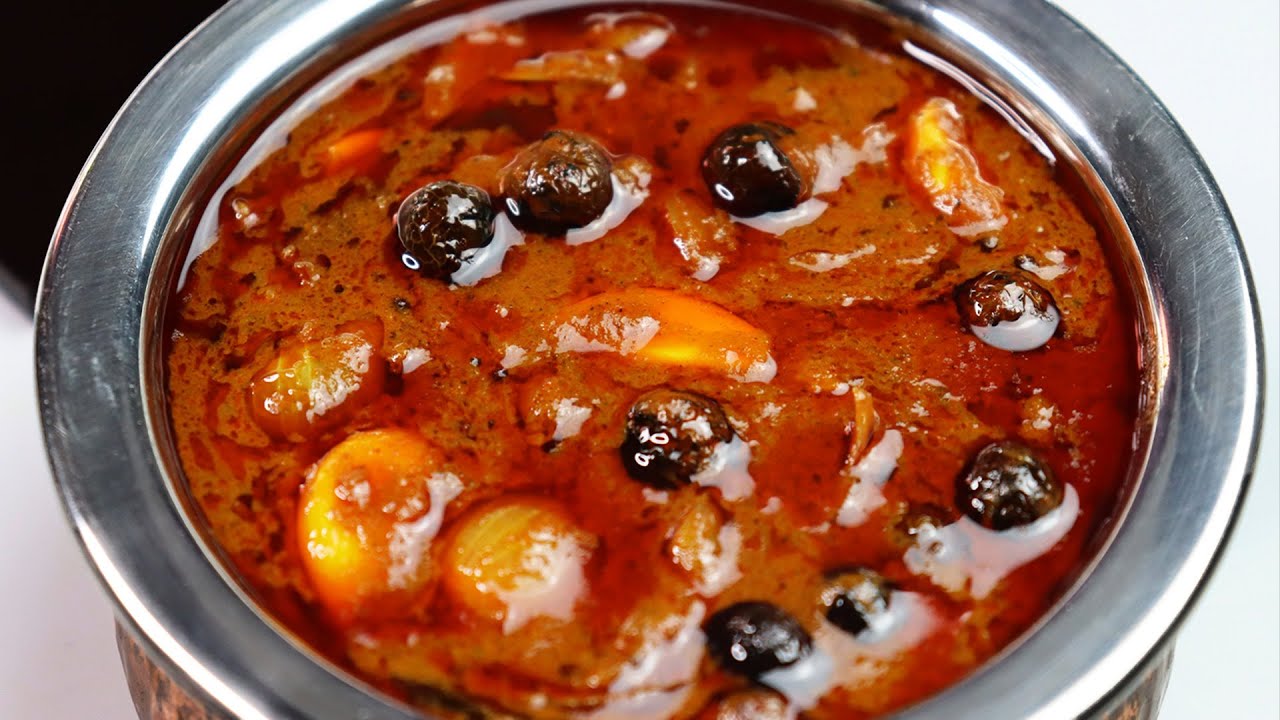
Aatu Eeral Varuval, or Mutton Liver Fry, is a beloved classic in Tamil cuisine that has graced the tables of South Indian homes for generations. Made with tender goat liver cooked in bold spices, this dish is a celebration of rustic, earthy flavors that are deeply rooted in Tamil culinary tradition. The liver is quickly sautéed with onions, tomatoes, and a fragrant blend of South Indian spices, creating a dry, masala-coated fry that pairs beautifully with rice, chapati, or freshly made parotta.
Tamil families absolutely adore this dish for its rich iron content, bold flavors, and the sheer comfort it brings to the dining table. It is a staple at weekend family lunches, especially on Sundays when fresh mutton is bought from the market. During festivals like Eid, Pongal celebrations, and special family gatherings where goat is freshly slaughtered, the liver is always the first part to be cooked — a treat eagerly awaited by everyone in the household. Elders especially cherish this dish and often say nothing beats freshly cooked eeral varuval.
What makes this recipe truly special is how quickly it comes together without compromising on depth of flavor. The secret lies in not overcooking the liver, which keeps it tender and juicy rather than tough and rubbery. Using freshly ground pepper, good quality gingelly oil or coconut oil, and finishing with curry leaves and fennel seeds elevates the dish beautifully. Follow this simple home-style recipe and you will have a restaurant-worthy Aatu Eeral Varuval ready in under 40 minutes.
Looking for more dinner recipes? Browse all recipes →
Ingredients(16 items)
Instructions
💡 Tap a step to mark it doneClean the goat liver thoroughly under cold running water. Remove any visible white membrane or bile ducts with a sharp knife. Cut the liver into small, even-sized cubes of about 1 to 1.5 inches. Transfer to a bowl and add a pinch of turmeric powder and one teaspoon of lemon juice. Mix well and let it sit for 10 minutes. This helps remove any raw smell from the liver and keeps it tender during cooking.
Heat gingelly oil or coconut oil in a heavy-bottomed kadai or iron pan over medium-high heat. Once the oil is hot, add fennel seeds and cumin seeds. Let them splutter for about 30 seconds until fragrant. Then add the slit green chillies and curry leaves. Fry for another 30 seconds, taking care not to burn the spices.
Add the finely chopped onions to the pan. Fry on medium heat, stirring frequently, for about 7 to 8 minutes until the onions turn golden brown. Do not rush this step as well-caramelized onions form the masala base and give the dish its depth of flavor. Add a pinch of salt while frying to help the onions soften faster.
Add the ginger garlic paste to the golden onions and cook for 2 to 3 minutes on medium heat, stirring continuously until the raw smell disappears and the paste turns slightly golden. This step is important for building the flavor base of the masala.
Add the finely chopped tomatoes to the pan. Cook on medium heat for 5 to 6 minutes, stirring occasionally, until the tomatoes break down completely and the oil starts to separate from the masala. The mixture should look thick and well-combined at this stage.
Reduce the heat to low and add turmeric powder, red chilli powder, and coriander powder. Mix everything well and cook the masala for 2 minutes on low heat to ensure the spice powders are cooked through and do not taste raw. Stir continuously to prevent the masala from sticking to the bottom of the pan.
Increase the heat to medium-high and add the cleaned liver cubes to the masala. Stir immediately and coat every piece of liver well with the masala. Add salt to taste. Cook on medium-high heat for 8 to 10 minutes, stirring frequently. Do not cover the pan as the steam will make the liver tough. The liver should cook quickly and evenly.
Once the liver is cooked through and the masala coats each piece well, sprinkle the freshly ground black pepper over the liver fry. Mix well and cook for another 2 minutes on high heat. The pepper adds a wonderful heat and aroma that is the signature of a great eeral varuval. Check for salt and adjust if needed.
Finish the dish by adding a few fresh curry leaves on top and a squeeze of lemon juice. Toss everything together and turn off the heat. Garnish with freshly chopped coriander leaves. Serve hot immediately with steamed rice, parotta, chapati, or even as a side dish with sambar rice. This dish tastes best when served fresh off the stove.
Tips and Tricks
- Never overcook goat liver — it takes only 8 to 10 minutes on medium-high heat. Overcooked liver becomes rubbery and tough. Cut the pieces evenly so they cook at the same rate, and always cook on high heat at the end to get a nice dry fry texture.
- Soaking the cleaned liver in water with a little turmeric and lemon juice for 10 minutes before cooking removes the strong raw smell and any impurities. Some cooks also add a splash of milk during the soak for extra tenderness, which is a popular tip in many Tamil households.
- Use freshly ground black pepper rather than store-bought pepper powder for the best aroma and flavor. The coarse texture of freshly ground pepper adds a gentle crunch and a pungent heat that pre-ground pepper simply cannot replicate. This is what separates a good eeral varuval from a great one.
⚠️ Nutrition values could not be verified for this recipe. Please check manually.
Related Tags