Nandu Masala - South Indian Crab Curry

Authentic South Indian Food Creator · Home Chef

Rate this recipe
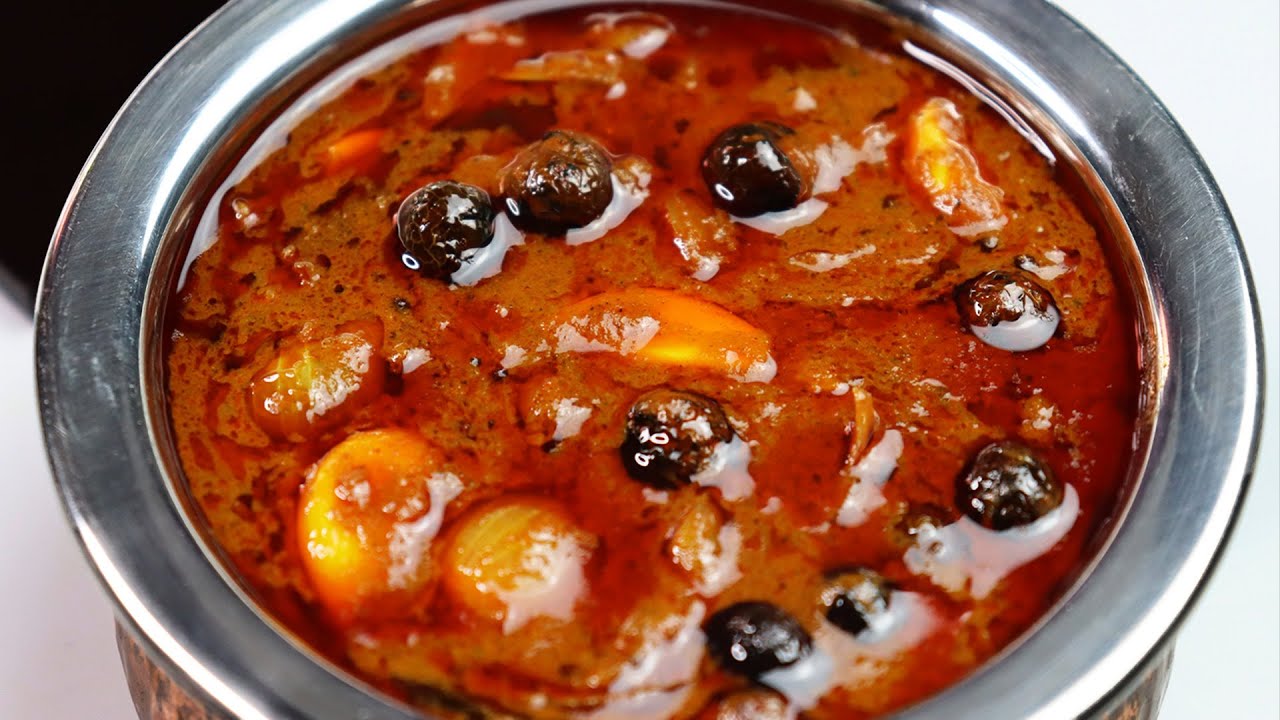
Nandu Masala, or South Indian Crab Curry, is one of the most beloved seafood dishes in Tamil cuisine. Originating from the coastal communities of Tamil Nadu, this rich and aromatic crab masala has been passed down through generations of Tamil families. The combination of freshly ground spices, creamy coconut milk, and tender crab meat creates a deeply flavorful gravy that is uniquely South Indian in character. Coastal towns like Nagapattinam, Rameswaram, and Chennai have their own cherished versions of this iconic dish.
For Tamil families, Nandu Masala holds a very special place at the dining table. It is a dish that brings everyone together, especially on Sundays when families gather for a grand meal. During festive seasons like Pongal celebrations, coastal harvest festivals, and family get-togethers, a pot of bubbling crab masala is almost always on the stove. The aroma alone is enough to draw the whole family into the kitchen. Tamil mothers and grandmothers take great pride in their unique blend of spices, and each household has its own treasured secret touch that makes their version unforgettable.
What makes this particular recipe truly special is the beautiful combination of black pepper, poppy seeds (kasa kasa), and fresh coconut milk. These three ingredients together create a gravy that is rich, creamy, and deeply spiced without being overpowering. The key to getting the best results is to use fresh, live crabs and allow the masala enough time to coat every piece beautifully. Always cook on a medium flame after adding coconut milk to prevent it from curdling, and let the crab simmer gently so all the wonderful juices blend into the gravy.
Looking for more curry recipes? Browse all recipes →
Ingredients(21 items)
Instructions
💡 Tap a step to mark it doneClean the crabs thoroughly under running water. Remove the top shell, clean out the gills, and break the crabs into halves or portions. Keep the claws intact as they hold a lot of flavour. Apply a pinch of turmeric and salt to the cleaned crab pieces and set aside while you prepare the masala.
Dry roast the black pepper and poppy seeds (kasa kasa) in a small pan over low heat for about 2 minutes until aromatic. Be careful not to burn them. Allow them to cool completely, then grind them together into a smooth, fine powder using a dry grinder. Set this pepper-poppy powder aside.
Heat oil in a large heavy-bottomed kadai or pot over medium heat. Add the cinnamon stick, cloves, cardamom, and fennel seeds. Let them splutter and release their fragrance for about 30 seconds. Then add the curry leaves and slit green chillies and fry for another 30 seconds.
Add the finely chopped onions to the kadai. Sauté on medium heat, stirring regularly, until the onions turn golden brown. This will take about 8 to 10 minutes. Taking time to properly brown the onions is essential as it builds the base flavour of the entire curry.
Add the ginger garlic paste to the browned onions and cook for 2 to 3 minutes, stirring continuously, until the raw smell completely disappears and the paste blends well with the onions. The mixture should turn slightly darker and very fragrant at this stage.
Add the chopped tomatoes to the pan. Cook on medium heat until the tomatoes break down completely and the oil begins to separate from the masala. This usually takes about 6 to 8 minutes. Mash the tomatoes gently with the back of your spoon to help them cook faster and blend into the gravy.
Now add the red chilli powder, coriander powder, turmeric powder, and the freshly ground pepper-poppy seed powder. Mix everything together very well and cook the spices with the masala for 2 minutes on low heat. This step blooms the spices and removes any raw taste from the powders.
Add the cleaned crab pieces into the masala and toss well so every piece is coated generously with the spice mixture. Increase the heat to medium-high and stir-fry the crab in the masala for about 4 to 5 minutes. The crab will start to change colour and absorb the masala beautifully.
Add half a cup of water and mix well. Cover the kadai with a lid and cook on medium heat for 8 to 10 minutes. The crab will release its own juices during this time, which adds incredible depth and natural sweetness to the gravy. Stir once midway to ensure nothing sticks to the bottom.
Reduce the heat to low and gently pour in the thick coconut milk. Stir everything together carefully and cook on low flame for 5 minutes. Do not boil vigorously after adding coconut milk as this can cause it to split. Add the garam masala powder now and adjust salt to taste.
Let the curry simmer gently on low heat for another 3 to 4 minutes until the gravy thickens to a beautiful, creamy consistency that clings to the crab pieces. Taste and adjust spices if needed. Turn off the flame and garnish generously with freshly chopped coriander leaves. Serve hot.
Tips and Tricks
- Always use fresh, live crabs for the best flavour and juicy texture. If using frozen crabs, thaw them completely and pat dry before cooking to avoid excess water diluting your masala.
- Dry roasting the black pepper and poppy seeds before grinding is the most important step in this recipe. This releases their essential oils and gives the curry its signature deep, nutty, and aromatic flavour that sets it apart from a regular crab curry.
- After adding coconut milk, always keep the flame on low and never let the curry come to a rolling boil. A gentle simmer is all it needs to thicken beautifully. Using sesame oil or coconut oil instead of regular refined oil will give you a truly authentic South Indian coastal flavour.
⚠️ Nutrition values could not be verified for this recipe. Please check manually.
Related Tags