Nei Meen Kulambu - Ghee Fish Curry

Authentic South Indian Food Creator · Home Chef

Rate this recipe
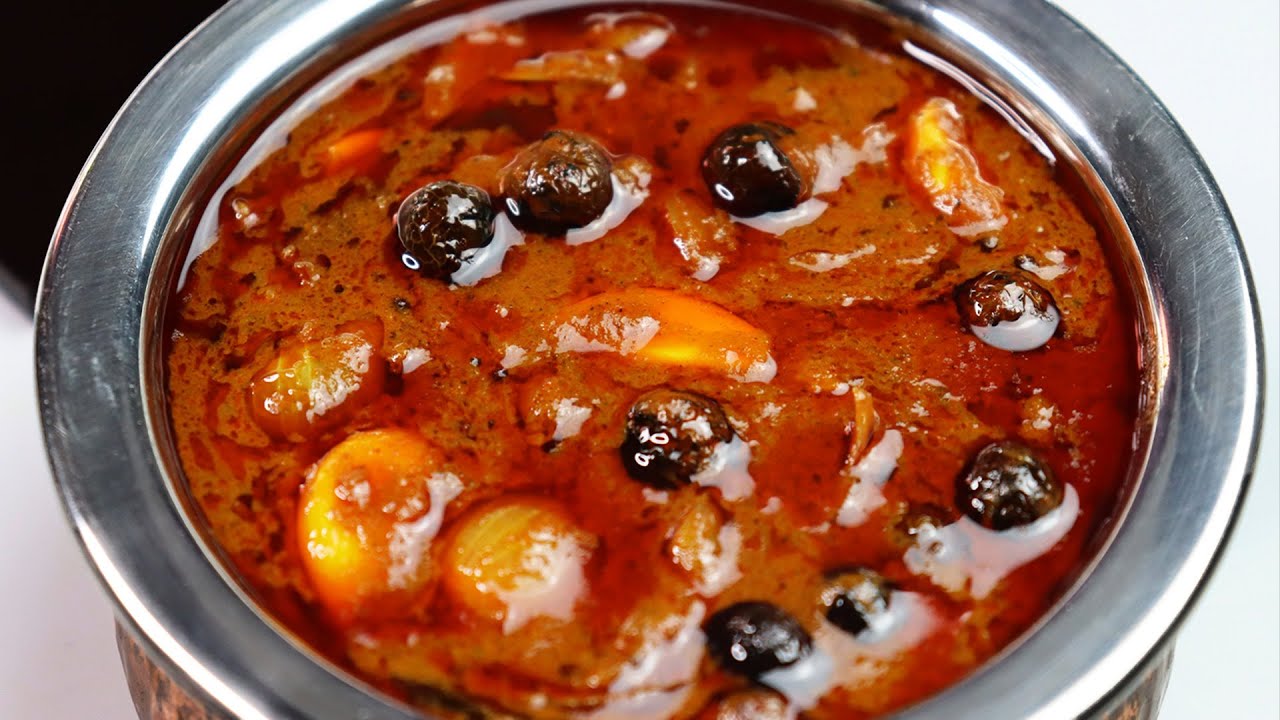
Nei Meen Kulambu is a deeply aromatic and flavourful South Indian fish curry cooked in the traditional Tamil village style using an earthen clay pot. The name itself tells the story — 'Nei' means ghee, 'Meen' means fish, and 'Kulambu' refers to a spiced tamarind-based gravy. This iconic dish hails from the coastal and rural heartlands of Tamil Nadu, where freshly caught fish meets a bold blend of homemade spices, tangy tamarind, and the rich warmth of ghee to create something truly unforgettable.
Tamil families hold this kulambu very close to their hearts. It is the kind of dish that reminds everyone of their grandmother's kitchen and the comforting smell of spices bubbling in a clay pot on a wood fire. Families prepare this special curry on Sundays, festive gatherings, and auspicious occasions like Pongal and family get-togethers. The addition of ghee elevates the dish beyond an everyday meal, making it feel celebratory and nourishing — something you serve with pride to guests and loved ones alike.
What makes this recipe truly special is the combination of the maan chatti — the traditional clay pot — and the finishing touch of pure desi ghee, which adds an irresistible depth of flavour and aroma. Using fresh fish like Vanjaram or Sankara gives the best results. Allow the curry to rest for 15 to 20 minutes after cooking so the fish absorbs all the masala beautifully. This recipe is straightforward enough for home cooks and delivers authentic village-style taste every single time.
Looking for more curry recipes? Browse all recipes →
Ingredients(17 items)
Instructions
💡 Tap a step to mark it doneSoak the tamarind in 1.5 cups of warm water for 10 minutes, then squeeze it well to extract a thick tamarind juice. Strain and discard the pulp. Keep this tamarind water aside. Wash and pat dry the fish pieces and apply a pinch of turmeric and salt. Let them rest while you prepare the base.
Heat a clay pot (maan chatti) or a heavy-bottomed kadai over medium flame. Add the sesame oil and let it heat up. Once hot, add mustard seeds and allow them to splutter. Then add the fenugreek seeds and dry red chillies and fry for about 30 seconds until fragrant. Be careful not to burn the fenugreek seeds as they turn bitter.
Add the curry leaves and let them crackle. Now add the peeled small onions (shallots) and saute them on medium flame for 6 to 8 minutes until they turn golden brown. Shallots are key to the authentic Tamil kulambu base, so do not rush this step — the caramelisation adds sweetness and depth.
Add the ginger garlic paste and saute for 2 to 3 minutes until the raw smell disappears completely. Then add the chopped tomatoes and cook on medium flame for another 5 minutes, mashing them as you stir, until the tomatoes are fully cooked and the oil begins to separate from the masala.
Now add the turmeric powder, red chilli powder, coriander powder, and black pepper powder. Mix everything well and cook the masala on low to medium flame for 3 to 4 minutes, stirring frequently. Cooking the spice powders in the oil at this stage removes any raw flavour and blooms the spices beautifully.
Pour in the extracted tamarind water and add salt to taste. Stir everything together and bring the kulambu to a rolling boil on medium-high heat. Allow it to boil for about 8 to 10 minutes so the raw tamarind smell cooks out and the gravy thickens slightly to a pouring consistency.
Gently slide the marinated fish pieces into the boiling kulambu. Do not stir vigorously as the fish pieces can break. Gently swirl the pot or use a spoon to coat the fish with the gravy. Cook on medium flame for 10 to 12 minutes until the fish is fully cooked through and the oil floats on top of the kulambu.
Check the seasoning and adjust salt or tamarind if needed. Finally, drizzle the ghee generously over the top of the kulambu. Add fresh curry leaves and chopped coriander leaves. Give the pot a gentle swirl and turn off the flame. Allow the nei meen kulambu to rest for 15 minutes before serving so the fish absorbs all the masala flavours.
Serve hot with steamed white rice, alongside appalam or roasted papad. This kulambu also tastes incredible with idli or dosa the next morning as a leftover gravy. The flavours deepen beautifully overnight, making it even more delicious the following day.
Tips and Tricks
- Always use sesame oil (gingelly oil) as the base for an authentic Tamil fish kulambu — it adds a nutty depth that regular cooking oil cannot replicate. Add the ghee only at the end of cooking to preserve its aroma and flavour.
- Cooking in a traditional clay pot (maan chatti) makes a significant difference to the taste. The earthen pot distributes heat evenly and adds a subtle earthy flavour to the kulambu that is characteristic of village-style Tamil cooking.
- Fresh fish gives the best results — look for firm flesh and a clean sea smell. Avoid over-stirring once the fish is added to the pot as it will break apart. Gently swirling the pot is the traditional technique used by Tamil cooks to coat the fish without breaking it.
Related Tags