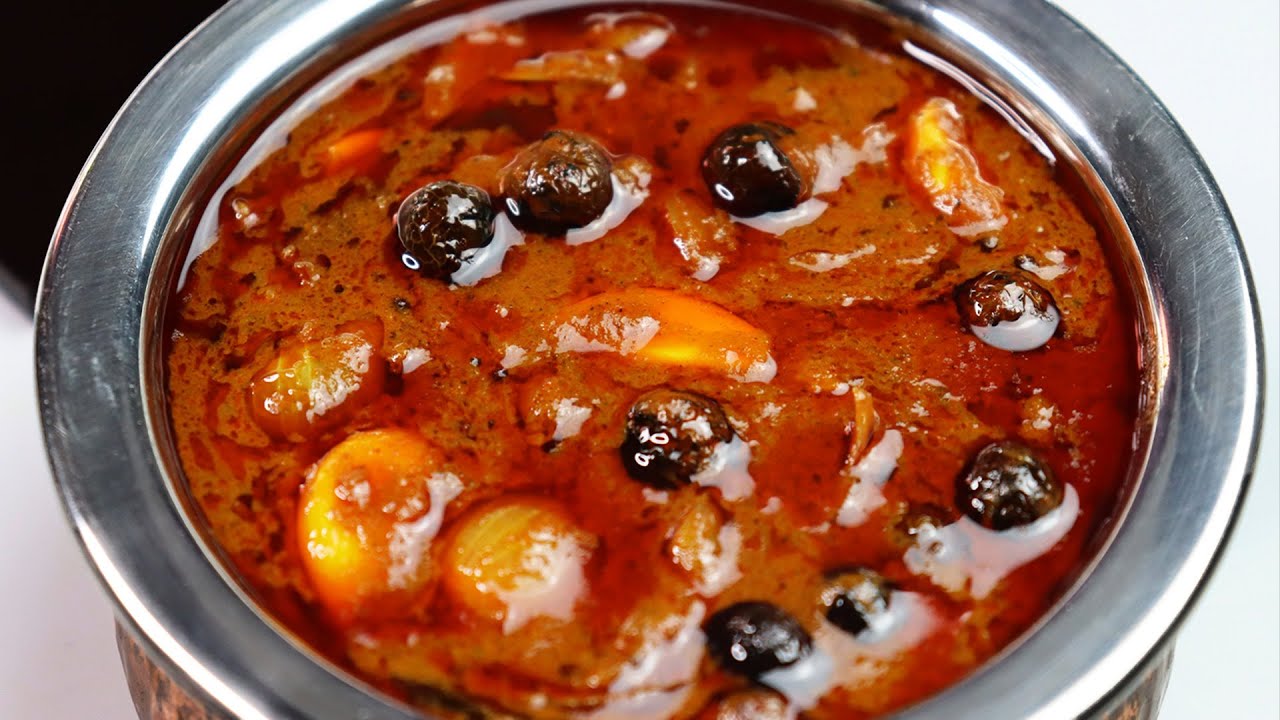
Nethili Karuvadu Kulambu | Dry Fish Kuzhambu

Authentic South Indian Food Creator · Home Chef

Rate this recipe
Nethili Karuvadu Kulambu is a bold and deeply flavourful South Indian dry fish curry that holds a very special place in traditional Tamil cuisine. Made with sun-dried anchovies cooked in a tangy tamarind base with aromatic spices, this kuzhambu is a timeless recipe passed down through generations. The intense umami flavour of the dried fish blends beautifully with the sourness of tamarind and the warmth of freshly ground spices, creating a dish that is uniquely Tamil in every single way.
Tamil families across Tamil Nadu and beyond have an undying love for karuvadu kulambu. It is a staple in village households and coastal communities where sun-dried fish has been preserved and cooked for centuries. Many families prepare this dish on rainy days or cold afternoons when its rich aroma fills the entire home and brings everyone to the table. It is also a common feature in traditional Tamil meals during family gatherings, and elders often say that no rice meal feels complete without a small bowl of this intensely spiced dry fish gravy.
What makes this recipe truly special is how a small quantity of this kuzhambu goes a very long way. Just a few spoons over steamed rice with a side of papad is pure comfort food at its finest. For best results, always soak the nethili karuvadu in water for at least 15 minutes before cooking to remove excess salt and soften the fish. Using gingelly oil instead of regular oil adds an authentic South Indian depth of flavour that makes all the difference in this recipe.
Looking for more curry recipes? Browse all recipes →
Ingredients(15 items)
Instructions
💡 Tap a step to mark it doneRinse the nethili karuvadu (dried anchovies) thoroughly under running water two to three times. Then soak them in a bowl of fresh water for 15 to 20 minutes. This removes excess salt and softens the fish, making it easier to cook. After soaking, drain the water and set the fish aside.
Soak the tamarind in one cup of warm water for 15 minutes. Once softened, squeeze out the pulp thoroughly, strain it to remove seeds and fibre, and set the tamarind water aside. This tangy tamarind base forms the soul of this kuzhambu.
Heat gingelly oil in a heavy-bottomed kadai or earthen pot over medium flame. Once the oil is hot, add mustard seeds and let them splutter. Then add fenugreek seeds and dry red chillies. Fry for about 30 seconds until the red chillies turn slightly darker and aromatic.
Add the peeled small onions (shallots) and garlic cloves to the kadai. Sauté on medium flame for 5 to 7 minutes until the shallots turn golden and slightly caramelised. Shallots add a natural sweetness that beautifully balances the sourness of tamarind in this kuzhambu.
Add the freshly washed curry leaves and chopped tomatoes. Mix well and cook on medium flame for 4 to 5 minutes until the tomatoes become completely soft and mushy and the oil begins to separate from the mixture.
Lower the flame and add red chilli powder, coriander powder, and turmeric powder. Mix everything together and sauté the masala for 2 minutes on low flame, allowing the raw smell of the powders to cook off fully. This step is important for a rich, deep-coloured kuzhambu.
Pour in the extracted tamarind water along with an additional one to one and a half cups of water. Stir well to combine everything. Bring the kuzhambu to a boil on medium-high heat. Let it boil for 5 minutes so the tamarind cooks through and loses its raw taste.
Add the soaked and drained nethili karuvadu to the boiling kuzhambu. Stir gently to mix the fish into the gravy. Taste the kuzhambu before adding any salt, as the dried fish already contains significant saltiness from the curing process.
Cook the kuzhambu on medium flame for 12 to 15 minutes, stirring occasionally, until the gravy thickens and the oil floats on top. The dry fish will absorb the tamarind and spice flavours beautifully during this cooking time. Adjust consistency by adding a little water if needed.
Once the kuzhambu reaches a thick, rich consistency with oil floating on the surface, turn off the flame. Allow it to rest for 10 minutes before serving so that the flavours deepen further. Serve hot over steamed white rice with a side of crispy papad and raw onion slices.
Tips and Tricks
- Always soak the nethili karuvadu in water for at least 15 to 20 minutes before cooking to remove excess salt and soften the fish. Taste the kuzhambu before adding any extra salt to avoid making it too salty.
- Using gingelly oil (sesame oil) is highly recommended for this recipe as it adds an authentic South Indian aroma and flavour. If gingelly oil is unavailable, coconut oil is the next best substitute for traditional taste.
- For the richest flavour, prepare this kuzhambu in an earthen pot. The clay pot enhances the depth of tamarind-based gravies significantly. Also, this kuzhambu tastes even better the next day as the dry fish fully absorbs all the spices and tamarind overnight.
Related Tags