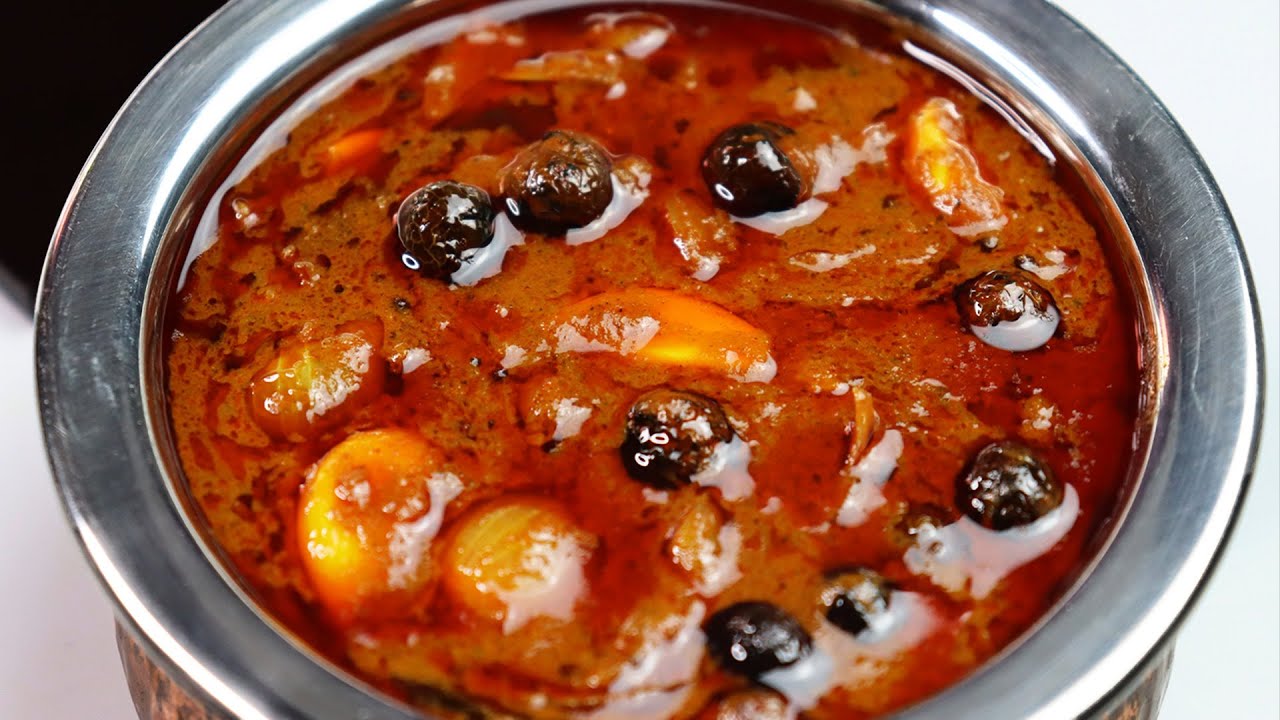
Pacha Mochai Kulambu | Fresh Field Beans Tamarind Curry

Authentic South Indian Food Creator · Home Chef

Rate this recipe
Pacha Mochai Kulambu is a rustic, soul-warming tamarind-based curry made with fresh field beans, known as mochai payiru in Tamil. This beloved dish belongs to the heart of Chettinad and village-style Tamil cooking, where seasonal produce is celebrated with bold spices and tangy tamarind. Fresh mochai, also called lima beans or butter beans in English, lends a creamy, earthy texture to this rich kuzhambu that pairs beautifully with hot steamed rice, crispy appalam, and a simple kootu on the side.
Tamil families across generations have treasured this kulambu as a weekday comfort meal that brings everyone to the table without any fuss. During the winter months when fresh mochai is abundantly available in local markets, amma would prepare this dish almost every other week. It also finds its way into festive lunch spreads during Pongal celebrations and family gatherings, where a spread of traditional kuzhambu varieties is considered a mark of love and hospitality. The aroma of this curry simmering on the stove is something every Tamil child remembers fondly.
What makes this recipe truly special is how simple ingredients come together to create deep, layered flavors. The secret lies in slow-cooking the fresh mochai until tender and allowing the tamarind gravy to thicken naturally with freshly ground spices. Using shallots instead of onions and finishing with a fragrant tempering of mustard, curry leaves, and dried red chilies elevates the dish completely. For best results, always use fresh mochai when in season and let the kulambu rest for ten minutes before serving so the flavors meld beautifully.
Looking for more curry recipes? Browse all vegetarian recipes →
Ingredients(19 items)
Instructions
💡 Tap a step to mark it doneSoak the tamarind in one cup of warm water for 15 minutes. Once softened, squeeze and extract the tamarind juice thoroughly. Discard the pulp and seeds. Keep the tamarind water aside. If you are using dried mochai, soak it overnight and pressure cook before starting. If using fresh mochai, you can use it directly.
If the fresh mochai has a tough outer skin, gently peel them. Rinse the beans under clean water and set aside. Fresh mochai cooks relatively faster than dried beans, so no soaking is required. This step ensures the beans absorb the spices well during cooking.
Heat gingelly oil in a heavy-bottomed kadai or pan over medium heat. Once the oil is hot, add mustard seeds and let them splutter well. Then add cumin seeds, dried red chilies, asafoetida, and fresh curry leaves. Let the tempering sizzle for about 30 seconds until aromatic.
Add the peeled shallots and garlic cloves to the kadai. Sauté on medium flame for 4 to 5 minutes until the shallots turn golden and slightly caramelized at the edges. Add the slit green chilies and continue to sauté for another minute. This forms the flavor base of your kulambu.
Add the chopped tomatoes to the pan and cook on medium flame until they turn completely mushy and the oil begins to separate from the mixture, about 5 to 6 minutes. Stir occasionally to prevent sticking. Soft, well-cooked tomatoes are essential for a rich and smooth kulambu base.
Lower the flame slightly and add red chili powder, coriander powder, turmeric powder, and black pepper powder. Mix everything together well and cook the spice powders with the tomato-onion base for 2 minutes so the raw smell of the spices disappears completely. Do not burn the spices.
Add the fresh mochai beans into the kadai and mix well so every bean is coated with the spiced tomato masala. Stir and cook for 2 minutes on medium heat so the beans absorb the flavors from the base before adding the tamarind water.
Pour in the extracted tamarind juice and add an additional 1.5 cups of water. Season with salt to taste. Stir everything together and bring the kulambu to a boil on high flame. Once it starts boiling, reduce the flame to medium-low and allow it to simmer.
Cover the pan partially with a lid and let the kulambu simmer for 20 to 25 minutes on medium-low heat until the fresh mochai beans are fully cooked and tender. Stir occasionally. The raw bean smell should disappear completely and the gravy should thicken to a nice pouring consistency.
Check the consistency of the kulambu. If it is too thin, continue simmering uncovered for a few more minutes. Taste and adjust salt and tamarind as needed. Once the oil floats on top and the kulambu has a deep reddish-brown color, it is perfectly cooked and ready.
Turn off the flame and garnish with freshly chopped coriander leaves. Allow the Pacha Mochai Kulambu to rest for 8 to 10 minutes before serving. This resting time allows all the flavors to meld together beautifully. Serve hot with steamed rice, appalam, and a side of kootu or raita.
Tips and Tricks
- Always use gingelly oil (sesame oil) for this kulambu as it gives the authentic Tamil flavor and aroma that regular cooking oil simply cannot replicate. Even a small amount goes a long way in building the classic taste.
- If fresh mochai is not available in your area, you can use dried mochai by soaking it overnight and pressure cooking it for 3 whistles before adding it to the tamarind gravy. Adjust cooking time accordingly.
- For a thicker and richer kulambu, add a teaspoon of freshly ground coconut paste or a small piece of jaggery at the end of cooking. This balances the tanginess of the tamarind and adds a wonderful depth to the overall flavor.
⚠️ Nutrition values could not be verified for this recipe. Please check manually.
Related Tags