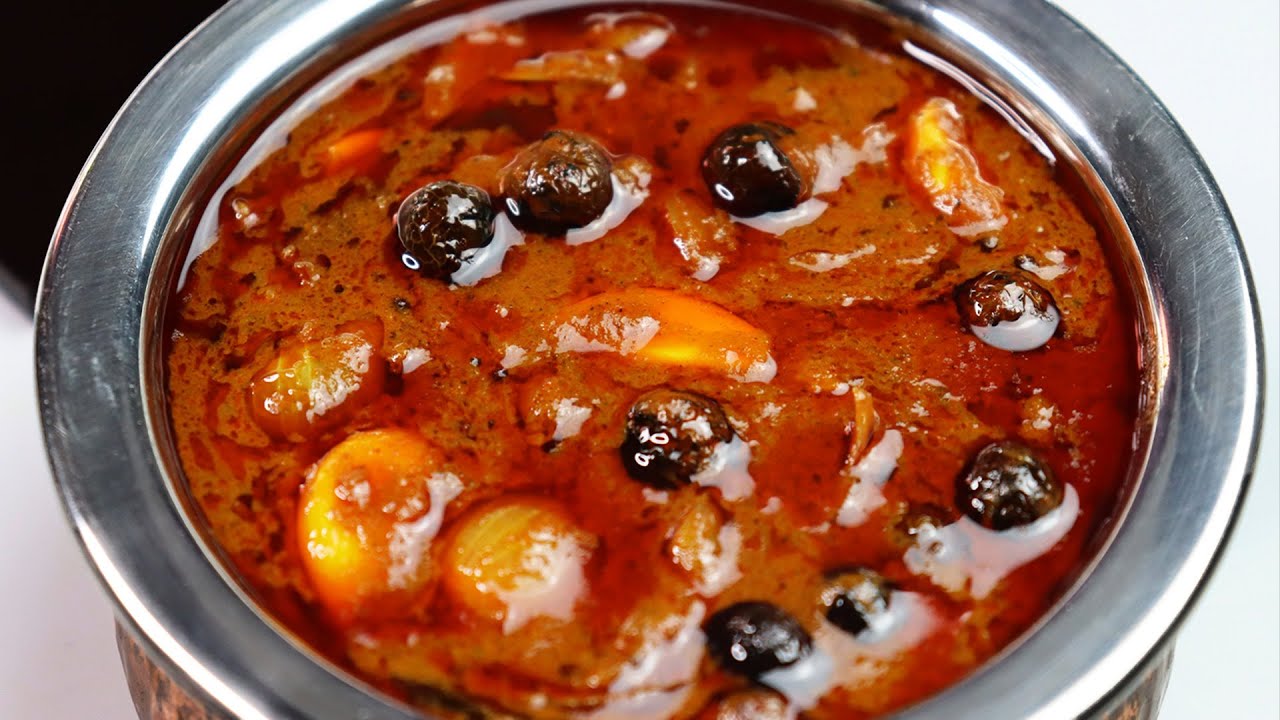
Palak Keerai Kulambu | Spinach Dal Curry

Authentic South Indian Food Creator · Home Chef

Rate this recipe
Palak Keerai Kulambu is a beloved South Indian Tamil curry made with fresh spinach leaves and cooked lentils simmered in a mildly spiced tamarind-based gravy. Known in Tamil households as Keerai Sambar or Keerai Kuzhambu, this dish has deep roots in traditional Tamil cuisine where leafy greens have always been considered a sacred part of the daily meal. The combination of earthy toor dal with vibrant green spinach creates a dish that is both nourishing and incredibly satisfying served over steaming hot rice.
Tamil families absolutely adore this kulambu because it brings together simplicity, nutrition, and incredible flavour in one pot. Mothers and grandmothers across Tamil Nadu prepare this dish on regular weekday afternoons when they want something wholesome yet quick to put on the table. It is also commonly made during Karthigai Deepam, Pongal season, and simple family gatherings where traditional comfort food is celebrated. The earthy aroma of spinach blending with mustard seeds crackling in sesame oil is enough to bring everyone rushing to the dining table with excitement.
What makes this recipe truly special is its beautiful versatility. You can make it thin and watery to enjoy generously poured over rice with a dollop of ghee, or cook it thicker like a masiyal to scoop up with soft chapathi or roti. For best results always use fresh palak keerai and do not overcook the spinach to preserve its bright green colour and nutritional goodness. Adding a small piece of jaggery balances the tamarind perfectly and gives the kulambu an authentic Tamil flavour that will remind you of home.
Looking for more curry recipes? Browse all vegetarian recipes →
Ingredients(20 items)
Instructions
💡 Tap a step to mark it doneWash the toor dal thoroughly under running water two to three times. Add it to a pressure cooker with 1 cup of water and a pinch of turmeric powder. Pressure cook for 3 to 4 whistles on medium flame until the dal is completely soft and mushy. Once pressure releases naturally, open the cooker and mash the dal well with a ladle or potato masher and set aside.
Soak the tamarind in half a cup of warm water for 10 minutes. Squeeze the tamarind well with your fingers to extract all the pulp and strain it through a fine sieve to remove seeds and fibre. Keep the tamarind water ready aside. This gives the kulambu its authentic tangy South Indian base.
Heat 2 tablespoons of sesame oil in a heavy-bottomed kadai or pan over medium flame. Once the oil is hot, add mustard seeds and let them splutter completely. Then add cumin seeds, dry red chillies, curry leaves, and a generous pinch of asafoetida. Let the tempering sizzle for 30 seconds until fragrant.
Add the peeled and halved shallots and crushed garlic to the tempering. Sauté on medium flame for 3 to 4 minutes until the shallots turn translucent and lightly golden at the edges. Add the slit green chillies and continue to sauté for another minute so the raw smell of garlic disappears completely.
Add the chopped tomatoes to the pan and mix well. Cook the tomatoes on medium flame for 4 to 5 minutes, stirring occasionally, until they become completely soft, mushy, and the oil begins to separate from the mixture. This step is important as it forms the flavour base of the kulambu.
Add turmeric powder, red chilli powder, coriander powder, and cumin powder to the cooked tomato mixture. Mix everything together well and sauté the spice powders for 1 to 2 minutes on low to medium flame so that the raw smell of the spices cooks out and the masala becomes aromatic and deeply flavoured.
Pour in the extracted tamarind water and add 1 cup of additional water. Mix well and bring the kulambu to a boil on medium-high flame. Let it boil for 5 to 6 minutes so the tamarind cooks through and loses its raw flavour. Add salt to taste and the small piece of jaggery at this stage and stir to dissolve.
Add the freshly chopped palak keerai (spinach leaves) to the boiling kulambu. Stir gently and cook the spinach for just 3 to 4 minutes on medium flame. Do not overcook the spinach at this stage as it will lose its beautiful green colour and nutritional value. The leaves should wilt down nicely and blend into the gravy.
Add the mashed cooked toor dal to the pan and mix everything together gently but thoroughly. Adjust the consistency by adding a little more water if you prefer a thinner sambar-style kulambu, or keep it as is for a thicker dal-style consistency. Bring everything to a gentle simmer for 3 to 4 minutes so all the flavours meld together beautifully.
Taste the kulambu and adjust salt, spice, or tamarind according to your preference. Turn off the flame. For a final touch of flavour, drizzle a small teaspoon of fresh sesame oil on top before serving. Serve hot over steamed white rice with a papad and a drizzle of ghee, or serve thickened alongside soft chapathi or roti.
Tips and Tricks
- Always use fresh palak keerai for the best colour and nutrition. Add the spinach towards the end of cooking and cook for only 3 to 4 minutes to preserve its bright green colour and vitamins. Overcooked spinach turns dull and loses much of its goodness.
- Sesame oil (gingelly oil) is the traditional choice for tempering in Tamil kulambu recipes and it gives an authentic nutty flavour that regular cooking oil cannot replicate. Always use cold-pressed sesame oil for the most authentic taste.
- Adding a small piece of jaggery is the secret to a perfectly balanced Tamil kulambu. It gently rounds off the sharpness of the tamarind and the heat of the chillies without making the dish sweet, giving it that classic restaurant-style depth of flavour Tamil families love.
⚠️ Nutrition values could not be verified for this recipe. Please check manually.
Related Tags