Pasalai Keerai Sambar | Spinach Sambar

Authentic South Indian Food Creator · Home Chef

Rate this recipe
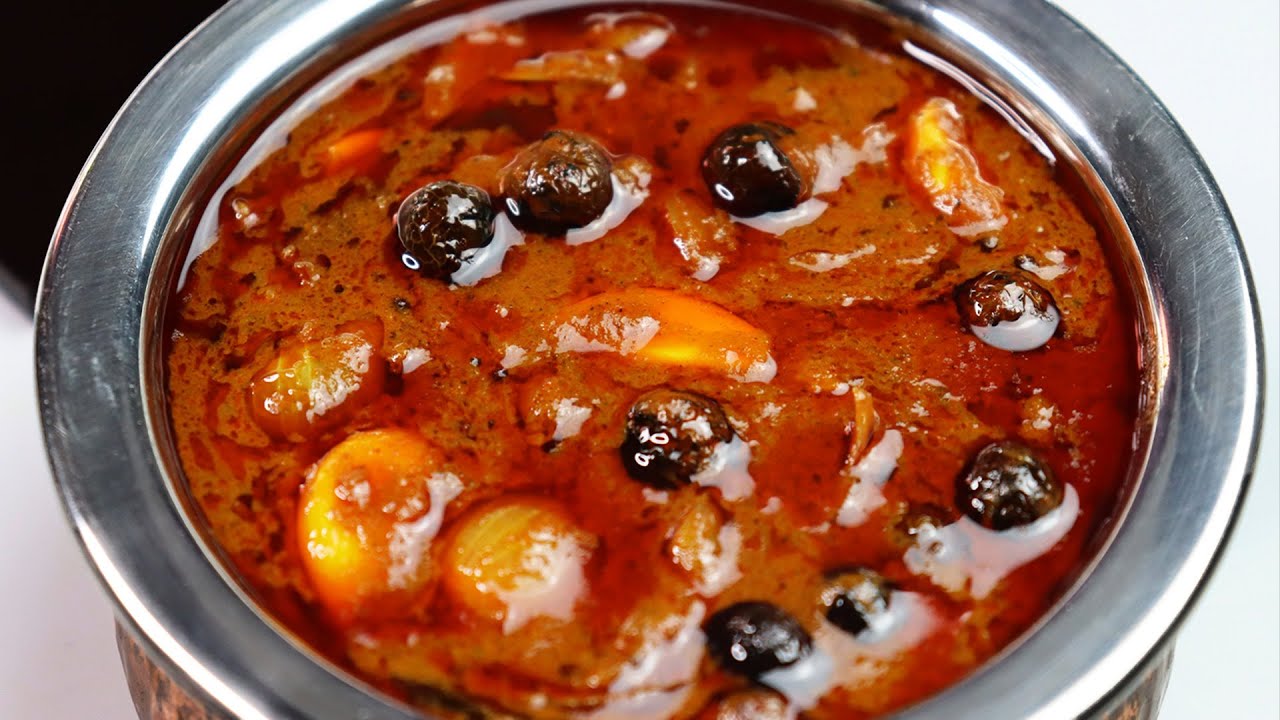
Pasalai Keerai Sambar is a beloved South Indian Tamil dish that brings together the goodness of fresh spinach and the deep, tangy flavors of a classic sambar. Pasalai keerai, also known as Ceylon spinach or Malabar spinach, has been a staple green in Tamil Nadu kitchens for generations. When combined with cooked toor dal, tamarind, and aromatic sambar powder, this humble leafy green transforms into a rich, nourishing pot of sambar that pairs beautifully with steamed rice, idli, or dosa.
Tamil families absolutely adore keerai sambar for its wholesome goodness and comforting warmth. It is often made on regular weekday afternoons as a healthy lunch alongside rice and a simple poriyal. Grandmothers across Tamil Nadu have long insisted on adding greens to daily meals, and pasalai keerai sambar is one of the most nutritious ways to do exactly that. During summer months when pasalai keerai grows abundantly in home gardens, this dish becomes a household favorite, and many families serve it during simple home gatherings and family lunches.
What makes this recipe truly special is how effortlessly it comes together with ingredients you likely already have in your kitchen. The key to the best pasalai keerai sambar is not overcooking the spinach so it retains its vibrant green color and nutritional value. Always add the keerai at the very end of cooking. Use freshly ground sambar powder or a good homemade blend for the most authentic flavor. A final tempering of mustard seeds, curry leaves, and dried red chili in sesame oil ties everything together perfectly.
Looking for more curry recipes? Browse all vegetarian recipes →
Ingredients(16 items)
Instructions
💡 Tap a step to mark it doneRinse the toor dal thoroughly under running water. Pressure cook it with 1.5 cups of water and a pinch of turmeric for 3 to 4 whistles until the dal is completely soft and mushy. Once pressure releases, mash the cooked dal well with a ladle and set aside.
Soak the tamarind in 1 cup of warm water for 10 minutes. Squeeze and extract the tamarind juice thoroughly, discarding the pulp and seeds. Set the tamarind water aside.
Heat sesame oil in a kadai or deep pan over medium flame. Once the oil is hot, add mustard seeds and let them splutter. Then add cumin seeds, dried red chilies, asafoetida, and curry leaves. Fry for about 30 seconds until fragrant.
Add the peeled small onions and crushed garlic to the pan. Sauté on medium heat for 4 to 5 minutes until the onions turn golden and slightly caramelized. This step builds a deep flavor base for the sambar.
Add the chopped tomatoes and cook for 3 to 4 minutes until they turn soft and mushy. Stir occasionally so they blend well with the onions and do not stick to the bottom of the pan.
Add turmeric powder and sambar powder to the pan. Mix well and cook the masala on low to medium heat for 2 minutes so the raw smell of the spices cooks off and the oil begins to separate slightly.
Pour in the extracted tamarind water along with 1 to 2 more cups of plain water depending on your preferred consistency. Stir everything together, bring it to a gentle boil, and let the sambar simmer on medium heat for 8 to 10 minutes so the raw tamarind flavor cooks out completely.
Add the mashed toor dal to the simmering tamarind base. Stir well to combine everything evenly. Check for salt and adjust seasoning at this stage. Let the dal and tamarind cook together for another 4 to 5 minutes on medium heat.
Add the cleaned and roughly chopped pasalai keerai into the simmering sambar. Stir gently and cook for just 3 to 4 minutes on medium heat. Do not overcook the spinach as it will lose its vibrant green color and nutritional value. The keerai should be just wilted and tender.
Check the consistency of the sambar. It should be slightly thick but pourable. If it is too thick, add a little warm water and stir. Turn off the flame and finish with a small drizzle of raw sesame oil on top for extra aroma. Serve hot with steamed rice, idli, or dosa.
Tips and Tricks
- Always add the pasalai keerai at the very end of cooking and cook it for no more than 3 to 4 minutes to preserve its bright green color, texture, and iron content.
- Using small shallots (chinna vengayam) instead of large onions gives the sambar a more authentic Tamil flavor with a natural sweetness that pairs beautifully with the tangy tamarind.
- Sesame oil (gingelly oil) is essential for the authentic South Indian sambar taste. Do not substitute with refined oil as it significantly changes the flavor profile of the dish.
⚠️ Nutrition values could not be verified for this recipe. Please check manually.
Related Tags