Pidi Karunai Puli Kuzhambu (Wild Yam Tamarind Gravy)

Authentic South Indian Food Creator · Home Chef

Rate this recipe
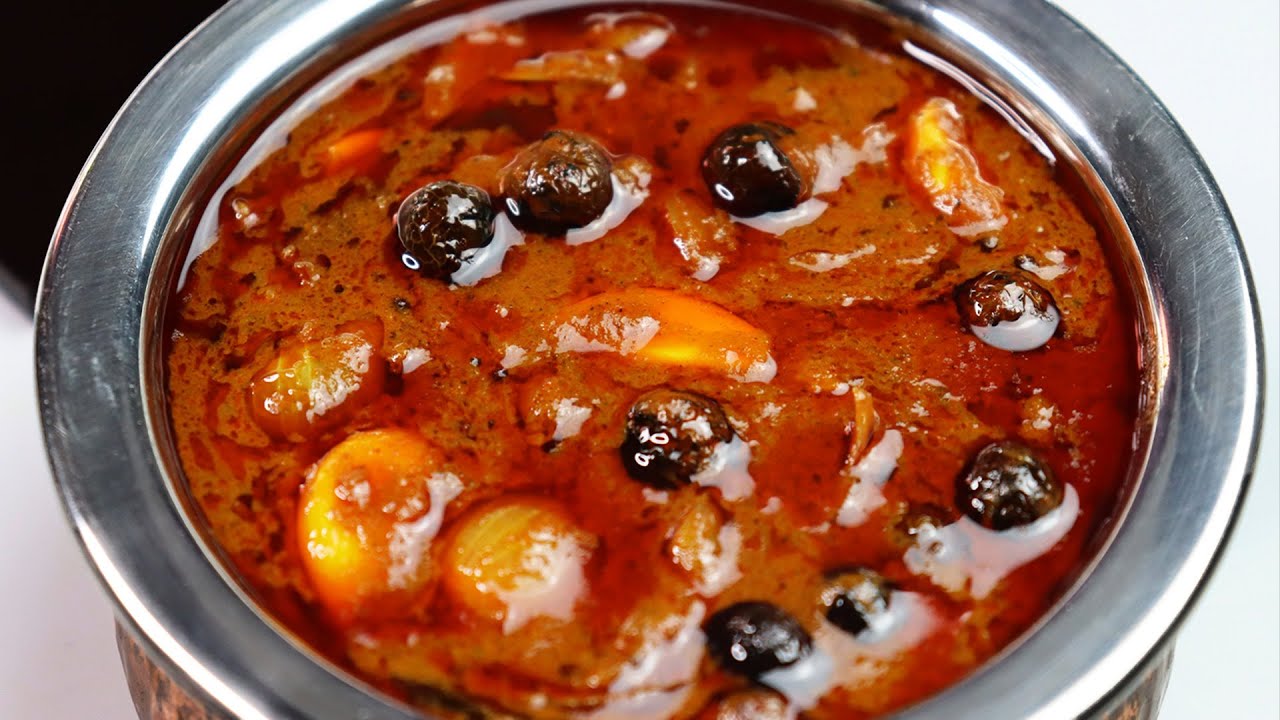
Pidi Karunai Puli Kuzhambu is a beloved traditional South Indian tamarind-based gravy made with wild yam, known as pidi karunai kizhangu in Tamil. This rustic dish belongs to the heart of Tamil village cooking, where earthy root vegetables are transformed into deeply flavourful, tangy gravies. The small, round wild yam pieces absorb the bold tamarind and spice base beautifully, creating a thick, rich kuzhambu that pairs perfectly with steamed white rice and a generous drizzle of sesame oil.
Tamil families across generations have cherished this kuzhambu as a wholesome weekday meal, especially during the cooler months when wild yam is abundantly available. It is also a popular dish during auspicious occasions, Friday pooja day meals, and festivals like Karthigai Deepam and Thai Pongal when vegetarian spreads are prepared. Grandmothers and mothers swear by this recipe as a comfort food that warms both the body and soul, often serving it alongside papad, kootu, and rice for a complete traditional Tamil lunch.
What makes this recipe truly special is the combination of freshly ground sambar powder, generous tamarind pulp, and the natural starchy texture of pidi karunai that thickens the gravy naturally without any added flour. The key to a perfect kuzhambu is allowing it to simmer slowly on low flame so all the flavours meld together. Always use gingelly oil for an authentic taste, and do not skip the final tempering of mustard seeds and curry leaves, which adds a fragrant finishing touch to this timeless Tamil classic.
Looking for more curry recipes? Browse all vegetarian recipes →
Ingredients(17 items)
Instructions
💡 Tap a step to mark it donePeel the pidi karunai kizhangu carefully using a knife or peeler. Cube them into medium-sized pieces. To avoid skin irritation, apply a little oil on your palms before handling the yam. Rinse the cubed yam pieces thoroughly under running water and set aside.
Soak the tamarind in 2 cups of warm water for 10 to 15 minutes. Once softened, squeeze out the pulp thoroughly and strain it to remove seeds and fibres. Keep the tamarind water ready for use.
Heat gingelly oil in a heavy-bottomed kadai or clay pot over medium flame. Once the oil is hot, add mustard seeds and let them splutter. Then add cumin seeds, dry red chillies, curry leaves, and asafoetida. Let them crackle for a few seconds until fragrant.
Add the peeled small onions and crushed garlic to the kadai. Sauté them on medium flame for 5 to 7 minutes until the onions turn golden brown and the raw smell of garlic disappears completely. Stir frequently to avoid burning.
Add the chopped tomatoes to the pan and cook them down on medium flame for 4 to 5 minutes, stirring occasionally, until they become completely soft and mushy and the oil begins to separate from the tomato mixture.
Now add turmeric powder, red chilli powder, coriander powder, and sambar powder to the tomato-onion mixture. Mix everything well and cook the masala on low to medium flame for 2 to 3 minutes until the raw smell of the spice powders is cooked out.
Add the cubed pidi karunai pieces into the masala and stir well so that each piece is coated with the spice mixture. Cook for 2 minutes on medium flame, stirring gently so the yam pieces absorb the masala flavours.
Pour the strained tamarind water into the kadai. Add salt to taste and stir everything together. If needed, add another half cup of water to adjust the consistency of the kuzhambu. Bring it to a rolling boil on high flame.
Once the kuzhambu starts boiling, reduce the flame to low and cover with a lid. Let it simmer for 15 to 20 minutes, stirring occasionally, until the yam pieces are cooked through and the gravy thickens to a nice kuzhambu consistency.
Check if the yam is cooked by pressing a piece gently with the back of a spoon. It should be soft but not mushy. Add the small piece of jaggery at this stage if using, to balance the tanginess of the tamarind. Stir well.
Taste and adjust salt, spice, and sourness as needed. If the kuzhambu is too thick, add a small splash of water and stir. If it is too thin, let it simmer uncovered for a few more minutes until it reaches the desired thickness.
Turn off the flame and finish with a drizzle of raw gingelly oil on top for an extra layer of authentic flavour. Serve hot with steamed white rice, papad, and a vegetable kootu on the side for a complete traditional Tamil meal.
Tips and Tricks
- Always use gingelly (sesame) oil for this kuzhambu. It gives the dish its signature authentic Tamil flavour and aroma that regular cooking oil simply cannot replicate.
- Apply coconut oil or cooking oil on your hands before peeling and cutting the pidi karunai to prevent skin irritation and itchiness, which is common when handling raw wild yam.
- For an even richer and more flavourful kuzhambu, use a clay pot for cooking. The earthen pot enhances the tamarind flavour and gives the gravy a beautifully deep colour and traditional taste.
⚠️ Nutrition values could not be verified for this recipe. Please check manually.
Related Tags