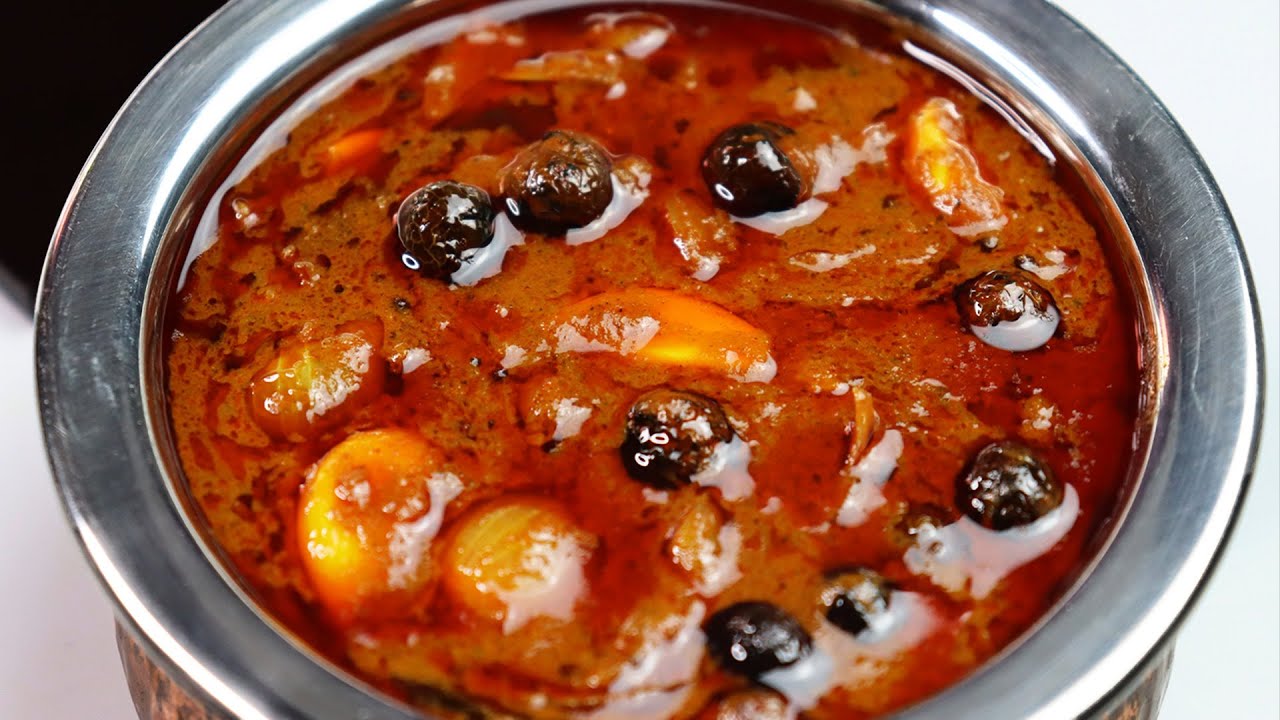
Pirandai Kulambu | Adamant Creeper Gravy

Authentic South Indian Food Creator · Home Chef

Rate this recipe
Pirandai Kulambu is a traditional Tamil Nadu gravy made using pirandai, commonly known as adamant creeper or Cissus quadrangularis in botanical terms. This tangy, tamarind-based kulambu has been a staple in Tamil households for generations, deeply rooted in the rich culinary heritage of South India. The pirandai plant is known for its distinct flavour and slightly astringent taste that blends beautifully with aromatic spices, tamarind, and coconut to create a deeply satisfying gravy that pairs perfectly with steaming hot rice and a drizzle of sesame oil.
Tamil families have always treasured pirandai kulambu not just for its bold, unique taste but also for its remarkable health benefits. It is widely believed to support bone health, aid digestion, and strengthen joints, which is why grandmothers across Tamil Nadu have lovingly prepared this kulambu for family members of all ages. It is especially popular during weekday lunches at home and is often made during the cooler months when pirandai is abundantly available in local markets and home gardens. Many families associate this dish with the warm comfort of amma's kitchen.
What makes this pirandai kulambu truly special is the combination of freshly ground coconut masala with the tartness of tamarind and the earthiness of roasted spices. The key to getting the best results is to always handle raw pirandai with gloves, as it can cause skin irritation and itching. Lightly frying the cleaned pirandai pieces before adding them to the gravy helps reduce the itching property and enhances the flavour. Use gingelly oil for an authentic Tamil taste that elevates this dish to a whole new level.
Looking for more curry recipes? Browse all vegetarian recipes →
Ingredients(19 items)
Instructions
💡 Tap a step to mark it doneWear gloves before handling raw pirandai. Peel the outer layer of the pirandai stems carefully and cut them into small 1-inch pieces. Rinse the pieces thoroughly under running water and pat dry.
Heat 1 tablespoon of gingelly oil in a pan over medium heat. Add the cleaned pirandai pieces and lightly sauté them for 4 to 5 minutes until they soften slightly and change colour. This step helps neutralise the itching property of the pirandai. Set aside.
Soak the tamarind in 1 cup of warm water for 10 minutes. Extract the tamarind juice thoroughly, discarding the pulp and seeds. Keep the tamarind water ready.
In a small blender, grind together freshly grated coconut, black pepper, and cumin seeds with a little water into a smooth paste. Set this coconut masala paste aside.
Heat the remaining 2 tablespoons of gingelly oil in a deep kadai or pan. Add mustard seeds and let them splutter. Then add cumin seeds, dried red chillies, and curry leaves. Allow them to crackle for 30 seconds.
Add the chopped onions and garlic cloves to the pan. Sauté on medium heat for 5 to 6 minutes until the onions turn golden brown and the raw smell of garlic disappears completely.
Add the chopped tomatoes to the pan and cook for 4 to 5 minutes, stirring occasionally, until the tomatoes become soft and mushy and the oil begins to separate from the mixture.
Add turmeric powder, red chilli powder, and coriander powder to the pan. Mix well and cook the spices for 2 minutes on medium heat so the raw smell of the powders is gone.
Pour in the tamarind water and add another 1 cup of plain water. Stir everything together well. Add salt to taste and a small piece of jaggery to balance the sourness. Bring the gravy to a gentle boil.
Add the sautéed pirandai pieces to the boiling tamarind gravy. Mix well and let it cook on medium flame for 8 to 10 minutes so the pirandai absorbs all the flavours and the gravy thickens slightly.
Add the ground coconut masala paste to the kulambu. Stir well to combine. Let the kulambu simmer for another 5 minutes on low heat until it reaches a thick, flowing consistency and the oil floats on top.
Check for salt and spice levels. Adjust if needed. Turn off the heat and garnish with a few fresh curry leaves. Serve hot with steamed rice and a drizzle of gingelly oil for the most authentic Tamil experience.
Tips and Tricks
- Always wear gloves or use a cloth when peeling and cutting raw pirandai, as it can cause severe itching and irritation to bare skin. Sautéing the pirandai pieces in oil before adding to the gravy significantly reduces this property.
- Use gingelly oil (sesame oil) instead of regular cooking oil for this kulambu. It gives an authentic South Indian aroma and flavour that pairs perfectly with the tartness of tamarind and the earthiness of the spices.
- Adding a small piece of jaggery to the kulambu balances the sourness from the tamarind and rounds out all the flavours beautifully. Do not skip this step as it is a traditional Tamil trick for a perfectly balanced kulambu.
Related Tags