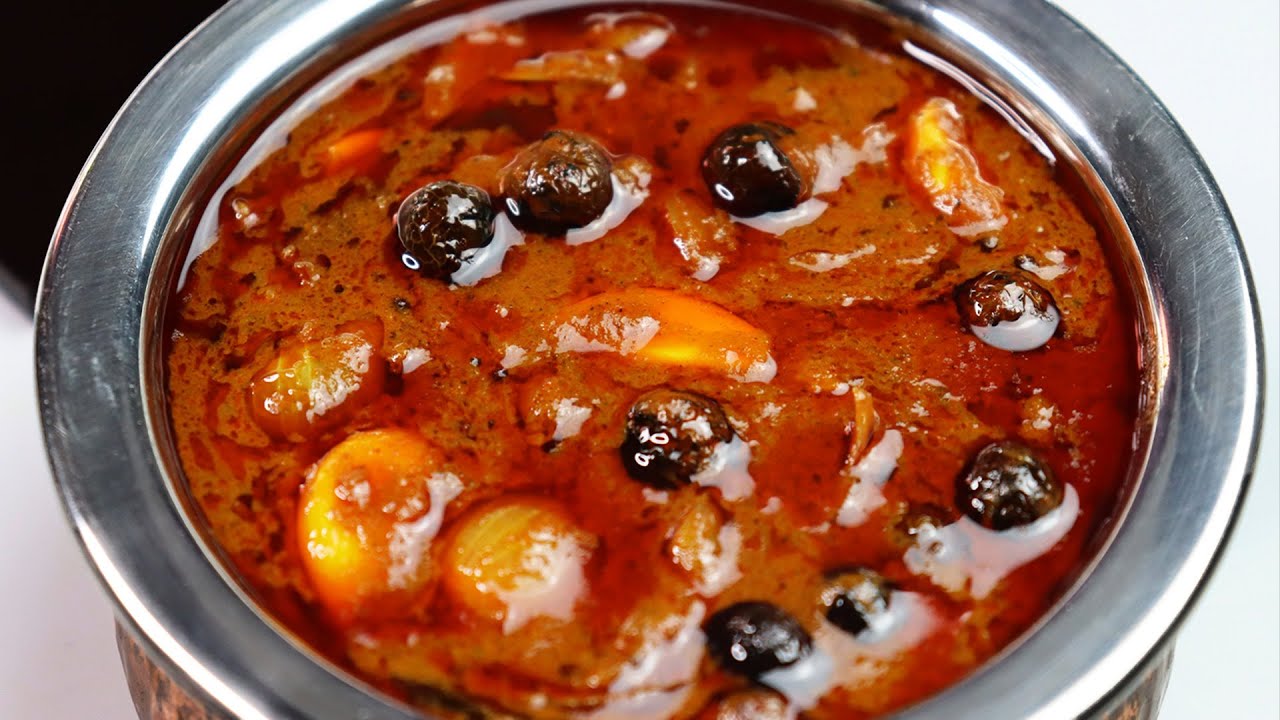
Pirandai Thuvaiyal (Adamant Creeper Chutney with Mint and Coriander)

Authentic South Indian Food Creator · Home Chef

Rate this recipe
Pirandai Thuvaiyal is a treasured medicinal chutney from the heart of Tamil cuisine, made using the adamant creeper plant known as Pirandai in Tamil. This ancient herb has been used in South Indian households for centuries, celebrated both as a powerful digestive aid and a delicious condiment. Combined with fresh mint, coriander, and aromatic spices, this thuvaiyal carries the rich wisdom of Tamil grandmothers who believed that food is the finest medicine. Its bold, earthy flavor with herbal undertones makes it truly one of a kind.
Tamil families across generations have cherished this thuvaiyal not just for its incredible taste but for its remarkable healing properties. It is commonly made during seasonal changes when digestive issues arise, or simply as a weekly staple to keep the family healthy. Grandmothers would grind this chutney fresh on a stone mortar, filling the kitchen with its distinctive aroma. It pairs beautifully with hot steamed rice and sesame oil, idli, or dosa, making it a versatile accompaniment loved from breakfast to dinner across Tamil Nadu households.
What makes this recipe truly special is that it stays fresh for up to ten days when stored properly, making it an incredibly practical make-ahead condiment. The secret lies in lightly sautéing the pirandai stems to reduce their raw bitterness before grinding. Using fresh mint and coriander brightens the flavor beautifully. Always handle raw pirandai with oiled hands to avoid skin irritation. Roasting the urad dal and red chilies to the right golden color is key to achieving that perfect nutty depth in every spoonful.
Looking for more chutney recipes? Browse all vegetarian recipes →
Ingredients(14 items)
Instructions
💡 Tap a step to mark it doneApply a little sesame oil to your palms before handling the pirandai stems to prevent skin irritation. Wash the pirandai stems thoroughly under running water. Remove the thorny edges and fibrous strings from the sides of the stems using a knife or your fingers. Chop the cleaned stems into small pieces, roughly half an inch long, and set aside.
Heat one tablespoon of sesame oil in a pan over medium flame. Add the chopped pirandai stems and sauté for about 5 to 6 minutes, stirring continuously, until the raw smell completely disappears and the stems turn slightly tender and change to a deeper green color. This step is very important to remove bitterness. Remove and set aside to cool.
In the same pan, add a little more oil if needed and roast the urad dal on medium-low flame, stirring constantly until it turns golden brown and aromatic. Add the dried red chilies and roast for another minute until they puff up slightly. Remove from heat and allow to cool completely before grinding to avoid a pasty texture.
In the same pan, lightly sauté the ginger and garlic in a few drops of oil for one to two minutes until the raw smell fades. Then add the fresh mint leaves and coriander leaves and sauté on low flame for just one minute until they wilt slightly. Remove from heat and allow everything to cool to room temperature.
In a blender or traditional wet grinder, combine the sautéed pirandai, roasted urad dal, red chilies, sautéed ginger and garlic, wilted mint and coriander leaves, grated coconut, and tamarind. Add salt to taste. Grind everything together into a coarse to semi-smooth paste. Add only one to two tablespoons of water if absolutely necessary to help blending. The thuvaiyal should be thick and not watery.
Taste the ground thuvaiyal and adjust salt and tamarind as needed. The flavor should be bold, slightly tangy, herby, and mildly spicy. Transfer the thuvaiyal into a clean, dry serving bowl. For tempering, heat the remaining sesame oil in a small pan, add mustard seeds and let them splutter, then add curry leaves and asafoetida. Pour this tempering directly over the thuvaiyal and mix well before serving.
Serve the Pirandai Thuvaiyal with hot steamed rice and a generous drizzle of sesame oil or ghee for a traditional Tamil meal. It also pairs wonderfully with idli, dosa, or chapati. To store, transfer to a clean dry airtight glass jar. Refrigerate and use within 8 to 10 days. Always use a dry spoon to scoop the thuvaiyal to keep it fresh longer.
Tips and Tricks
- Always oil your hands before cleaning and chopping pirandai stems as the raw plant contains calcium oxalate crystals that can cause itching or skin irritation when touched directly.
- Do not skip the step of sautéing the pirandai stems before grinding. This removes the natural bitterness and reduces the oxalate content, making the thuvaiyal safe, digestible, and pleasant in flavor.
- Store the thuvaiyal in a completely dry glass jar with a tight lid and always use a dry spoon. Avoid introducing any moisture into the jar to preserve freshness for up to 10 days in the refrigerator.
⚠️ Nutrition values could not be verified for this recipe. Please check manually.
Related Tags