Potato Kurma | Aloo Kurma | South Indian Style Veg Kurma

Authentic South Indian Food Creator · Home Chef

Rate this recipe
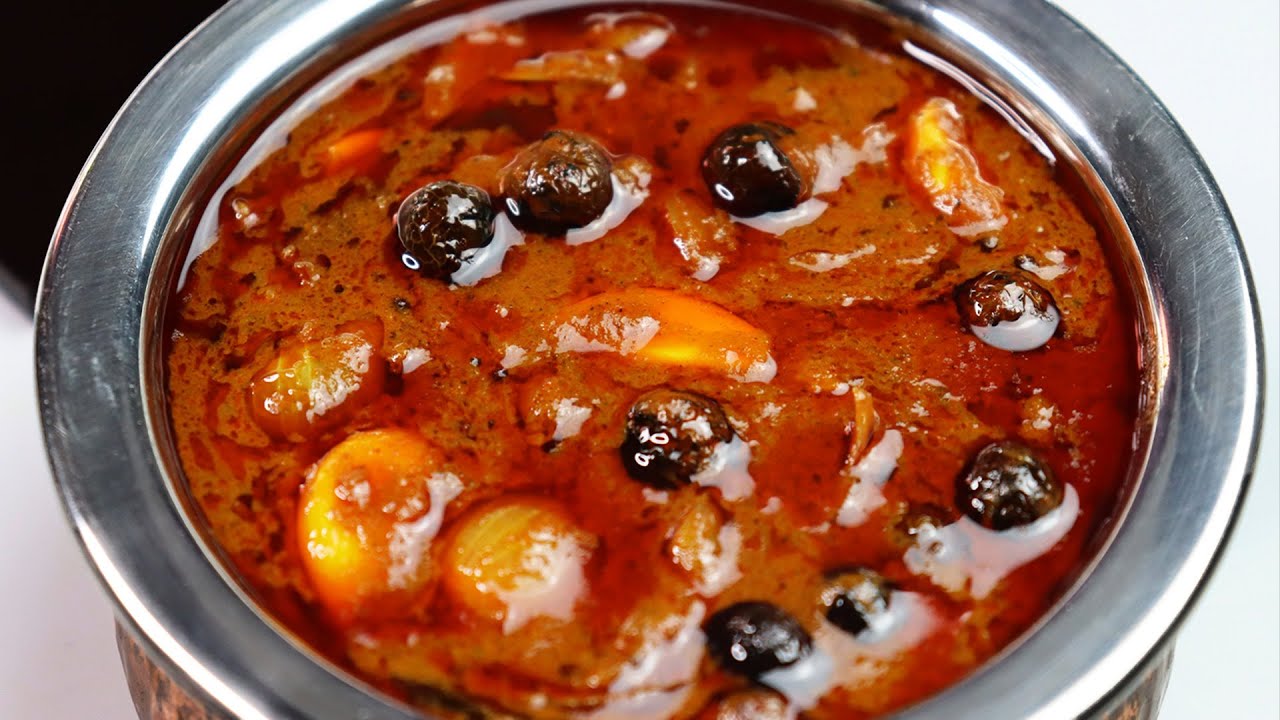
Potato Kurma, lovingly known as Aloo Kurma in Tamil households, is a rich and creamy South Indian curry made with tender potatoes cooked in a fragrant coconut and spice gravy. This dish has deep roots in Tamil cuisine, where kurma-style gravies have been a staple for generations. The velvety base made from fresh coconut, cashews, and whole spices gives this humble potato dish an aromatic depth that is truly unforgettable and distinctly South Indian in character and flavor.
Tamil families absolutely adore this potato kurma because it is incredibly versatile and fits perfectly into almost every meal of the day. Whether it is a lazy Sunday breakfast with soft idlis, a quick weekday dinner with dosas, or a festive spread of chapatis and pooris, this kurma always finds its place on the table. During school holidays when children are home, mothers often prepare this crowd-pleasing curry because everyone from toddlers to grandparents enjoys its mild yet deeply satisfying flavors without any complaints at all.
What makes this recipe truly special is its simplicity combined with its impressive flavor profile. The secret lies in grinding fresh coconut with roasted spices to create a thick, luxurious base that coats every piece of potato beautifully. For best results, always use freshly grated coconut instead of desiccated coconut. Boil the potatoes just until fork-tender so they hold their shape in the gravy. Adding a small piece of cinnamon and a bay leaf while tempering elevates the entire dish to restaurant-style quality right in your own home kitchen.
Looking for more curry recipes? Browse all vegetarian recipes →
Ingredients(21 items)
Instructions
💡 Tap a step to mark it donePeel and cube the potatoes into medium-sized pieces. Add them to a pot of salted boiling water and cook for about 8 to 10 minutes until just fork-tender but still firm. Drain and set aside. Do not overcook the potatoes as they will continue to cook in the gravy and you want them to hold their shape nicely.
Prepare the coconut masala paste by adding fresh grated coconut, cashews, roasted gram, fennel seeds, and poppy seeds into a blender. Add about 4 to 5 tablespoons of warm water and grind everything together into a very smooth, thick paste. This paste is the heart of the kurma and gives it that rich and creamy texture. Set the ground paste aside.
Heat oil in a heavy-bottomed kadai or pan over medium flame. Once the oil is hot, add the cinnamon stick, cloves, cardamom, and bay leaf. Let these whole spices splutter and release their beautiful aroma into the oil for about 30 seconds. This step is very important as it builds the flavor base of the entire kurma.
Add the finely sliced onions and slit green chillies to the pan. Sauté on medium flame, stirring frequently, until the onions turn golden brown and soft. This will take about 8 to 10 minutes. Do not rush this step as properly caramelized onions give the kurma a naturally sweet and deep flavor foundation.
Add the ginger garlic paste to the golden onions and sauté for 2 minutes until the raw smell disappears completely and the mixture smells fragrant. Then add the finely chopped tomatoes and cook on medium flame, stirring occasionally, until the tomatoes turn mushy and soft and the oil begins to separate from the mixture.
Add the turmeric powder, red chilli powder, and coriander powder to the pan. Mix everything well and sauté the spice powders with the onion tomato mixture for about 2 minutes on low flame. This step of cooking the spice powders directly in the oil removes the raw taste and enhances the final flavor of the kurma beautifully.
Add the boiled potato cubes to the spiced onion tomato mixture and gently toss to coat all the potato pieces evenly with the masala. Pour in 1.5 cups of water and add salt to taste. Stir gently and bring the curry to a gentle boil on medium flame. Let it cook for 3 to 4 minutes so the potatoes absorb the spices.
Reduce the flame to low and add the ground coconut cashew paste to the simmering curry. Stir well to combine the paste thoroughly into the gravy making sure there are no lumps. The gravy will immediately become thick and creamy. Add a little extra water if you prefer a slightly thinner consistency for serving with idli or dosa.
Let the kurma simmer on low flame for 5 to 7 minutes, stirring gently every couple of minutes to prevent the coconut paste from sticking to the bottom of the pan. Taste and adjust salt and spice levels as needed. The kurma is ready when the oil begins to float slightly on top and the gravy has a rich, creamy, and velvety consistency.
Turn off the flame and garnish the potato kurma generously with freshly chopped coriander leaves. Serve hot with soft idlis, crispy dosas, flaky chapatis, or fluffy pooris. The kurma tastes even better after resting for 10 minutes as the flavors meld together beautifully. Enjoy this comforting and flavorful South Indian kurma with your family.
Tips and Tricks
- Always grind the coconut masala paste as smooth as possible for a silky kurma texture. A coarse paste will result in a grainy gravy that does not coat the potatoes well. If needed, grind twice and add a little warm water to help achieve that perfectly smooth consistency.
- Do not add the coconut paste when the flame is high as it can cause the coconut to curdle and turn grainy. Always reduce to low flame before adding the paste and keep stirring gently. This ensures the kurma stays smooth, creamy, and restaurant-quality every single time.
- For extra richness especially when serving for guests or festivals, add one tablespoon of fresh cream or a small piece of butter just before turning off the flame. This gives the kurma a luxurious glossy finish that pairs especially beautifully with soft poori and flaky chapati.
⚠️ Nutrition values could not be verified for this recipe. Please check manually.
Related Tags