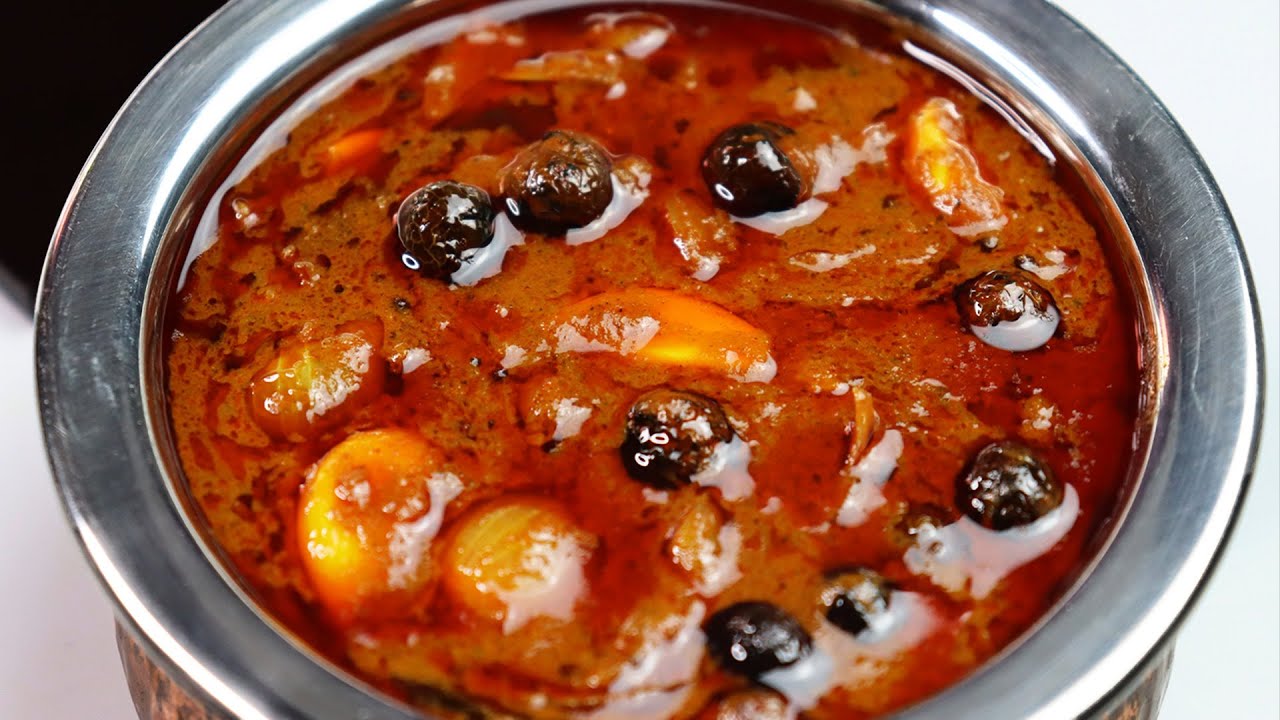
Potato Peas Kurma | South Indian Vegetable Kurma

Authentic South Indian Food Creator · Home Chef

Rate this recipe
Potato Peas Kurma is a beloved South Indian vegetable curry that holds a very special place in Tamil home cooking. This rich, aromatic dish is made by simmering tender potatoes and sweet green peas in a freshly ground coconut and spice paste. The kurma tradition in Tamil Nadu draws from Mughal and Chettinad influences, resulting in a dish that is creamy, mildly spiced, and deeply flavourful. It is a staple across Tamil households and is served as a comforting side dish to a variety of breads and tiffin items.
Tamil families absolutely adore this kurma because it is both satisfying and versatile. It is commonly made on Sunday mornings as a special breakfast treat alongside freshly made chapati, parotta, or soft idlis. During school holidays, mothers make this kurma as a quick yet hearty meal that children enjoy without fuss. It is also a popular dish prepared during festivals like Karthigai Deepam and family gatherings, where a big pot of vegetable kurma disappears in no time. The combination of potato and peas is an all-time favourite that never disappoints.
What makes this recipe truly special is the freshly ground coconut masala paste that gives the kurma its signature creamy texture and rich colour. Using whole spices like cinnamon, cloves, and cardamom bloomed in oil adds incredible depth of flavour. For best results, always use fresh coconut and grind the masala to a very smooth paste. Cooking on a low flame after adding the coconut paste prevents it from splitting and ensures a velvety, restaurant-style kurma right at home.
Looking for more curry recipes? Browse all vegetarian recipes →
Ingredients(23 items)
Instructions
💡 Tap a step to mark it doneBegin by preparing the coconut masala paste. In a blender, add the grated fresh coconut, cashew nuts, fennel seeds, and poppy seeds. Add about 1/4 cup of warm water and grind everything into a very smooth, thick paste. Set this paste aside. This is the base that gives the kurma its creamy texture and rich flavour, so grind it as finely as possible.
Heat 3 tablespoons of oil in a heavy-bottomed kadai or pan over medium heat. Once the oil is hot, add the cinnamon stick, cloves, cardamom, and bay leaf. Let them splutter and become fragrant for about 30 seconds. This step releases all the essential oils from the whole spices and builds the aromatic base of the kurma.
Add the finely chopped onions and slit green chillies to the pan. Sauté on medium heat, stirring frequently, until the onions turn golden brown. This should take about 8 to 10 minutes. Do not rush this step as properly caramelised onions give the kurma a deep, sweet base flavour. Add the curry leaves halfway through and mix well.
Add the ginger garlic paste to the browned onions and cook for 2 minutes, stirring continuously until the raw smell disappears completely. Then add the finely chopped tomatoes. Cook the tomatoes on medium heat, mashing them occasionally, until they turn soft and mushy and the oil begins to separate from the sides of the masala. This takes about 5 to 6 minutes.
Now add the dry spice powders: turmeric powder, red chilli powder, and coriander powder. Mix everything together well and cook the masala for another 2 minutes on low heat so the spices are cooked through and not raw. Stir continuously to prevent the spices from burning. The masala should look thick and fragrant at this stage.
Add the peeled and cubed potatoes to the masala and mix well so each piece is coated with the spice mixture. Pour in 1.5 cups of water and add salt to taste. Stir everything together, bring it to a boil, then reduce the heat to medium-low. Cover the pan with a lid and cook for 12 to 15 minutes until the potatoes are almost cooked through and tender when tested with a fork.
Once the potatoes are nearly done, add the green peas to the pan. If using frozen peas, add them directly. Stir gently and cook for another 3 to 4 minutes until the peas are cooked and vibrant green. Do not overcook the peas as they will lose their lovely colour and become mushy. The curry should have a medium-thick consistency at this stage.
Reduce the flame to low and add the freshly ground coconut masala paste to the curry. Stir gently to combine the paste with the curry. It is very important to cook on low heat from this point to prevent the coconut paste from splitting or becoming grainy. Add a little water if the kurma looks too thick and adjust the consistency to your liking.
Let the kurma simmer on low heat for 5 to 7 minutes, stirring occasionally, until the raw coconut smell is gone and the oil begins to float on the surface. Add the garam masala powder and mix well. Taste the kurma and adjust salt or spice levels as needed. The kurma should now be creamy, aromatic, and have a beautiful light golden colour.
Turn off the heat and garnish the Potato Peas Kurma generously with freshly chopped coriander leaves. Allow the kurma to rest for 5 minutes before serving so the flavours settle and deepen. Serve hot with chapati, parotta, poori, idli, or dosa. This kurma also pairs beautifully with ghee rice or plain basmati rice for a wholesome lunch.
Tips and Tricks
- Always grind the coconut and cashew paste as smoothly as possible with warm water for the creamiest kurma texture. A grainy paste will make the kurma feel rough and uneven in texture.
- After adding the coconut paste, always cook on the lowest flame and never let the kurma come to a rolling boil, as high heat will cause the coconut to curdle and the kurma to lose its smooth creamy consistency.
- For extra richness, soak the cashew nuts in warm water for 10 minutes before grinding. You can also add a tablespoon of fresh curd along with the coconut paste for a subtle tangy depth that elevates the overall flavour of the kurma.
⚠️ Nutrition values could not be verified for this recipe. Please check manually.
Related Tags