Puliyodharai Rice Mix (Tamarind Rice / Puli Sadam)

Authentic South Indian Food Creator · Home Chef

Rate this recipe
Puliyodharai, also lovingly known as Puli Sadam or Tamarind Rice, is one of the most iconic and time-honoured dishes of Tamil Nadu. Rooted deeply in South Indian culture, this tangy, spiced rice dish has been prepared in Tamil homes and temples for centuries. The dish gets its bold, appetising flavour from a slow-cooked tamarind base mixed with freshly roasted spices, curry leaves, and peanuts. It is a true reflection of Tamil culinary tradition — simple ingredients coming together to create something truly extraordinary and unforgettable.
Tamil families across generations have a deep emotional connection with Puliyodharai. It is the quintessential festival rice, made with great love during auspicious occasions like Gokulashtami, Navratri, Pongal, and Saraswathi Puja as a naivedyam offering to God. Temple Puliyodharai, especially from famous temples like Parthasarathy Temple in Chennai or Srirangam, holds a legendary status among devotees. It is also a popular lunch box recipe for school children and a go-to travel food because it stays fresh for hours without refrigeration — making it truly practical and delicious.
What makes this homemade version truly special is the Puliyodharai Podi — a dry spice mix that you can prepare in advance and store for weeks. When you have this podi ready, making tamarind rice takes only minutes on a busy day. Using freshly roasted spices like chana dal, urad dal, dry red chillies, and sesame seeds gives the podi its authentic taste. Cook the rice slightly firm, mix generously with the tamarind gojju and podi, and always finish with a good splash of sesame oil for that perfect temple-style flavour.
Looking for more rice recipes? Browse all vegetarian recipes →
Ingredients(17 items)
Instructions
💡 Tap a step to mark it doneSoak the tamarind in 1.5 cups of warm water for 15 to 20 minutes. Once softened, extract the juice thoroughly by squeezing with your hands. Discard the pulp and seeds. Set the tamarind water aside. You should have about 1 to 1.25 cups of thick tamarind extract.
To prepare the Puliyodharai Podi (spice powder), heat a dry pan on low flame. Add coriander seeds, black pepper, fenugreek seeds, and 3 dry red chillies. Dry roast on low heat for 2 to 3 minutes until fragrant and lightly golden. Transfer to a plate and allow to cool completely.
In the same dry pan, add sesame seeds and roast on low flame until they start to pop and turn light golden. Add to the same plate with the other roasted spices. Once everything is completely cooled, grind together into a coarse powder using a mixer grinder. Do not grind too fine — a slightly coarse texture gives the best flavour. Set this podi aside.
Heat sesame oil in a heavy-bottomed kadai on medium flame. Add mustard seeds and let them splutter. Then add chana dal and urad dal. Fry on low to medium heat until both dals turn light golden and crisp, about 2 minutes. Add remaining dry red chillies, asafoetida, and curry leaves. Let them fry for 30 seconds until the curry leaves are crisp and fragrant.
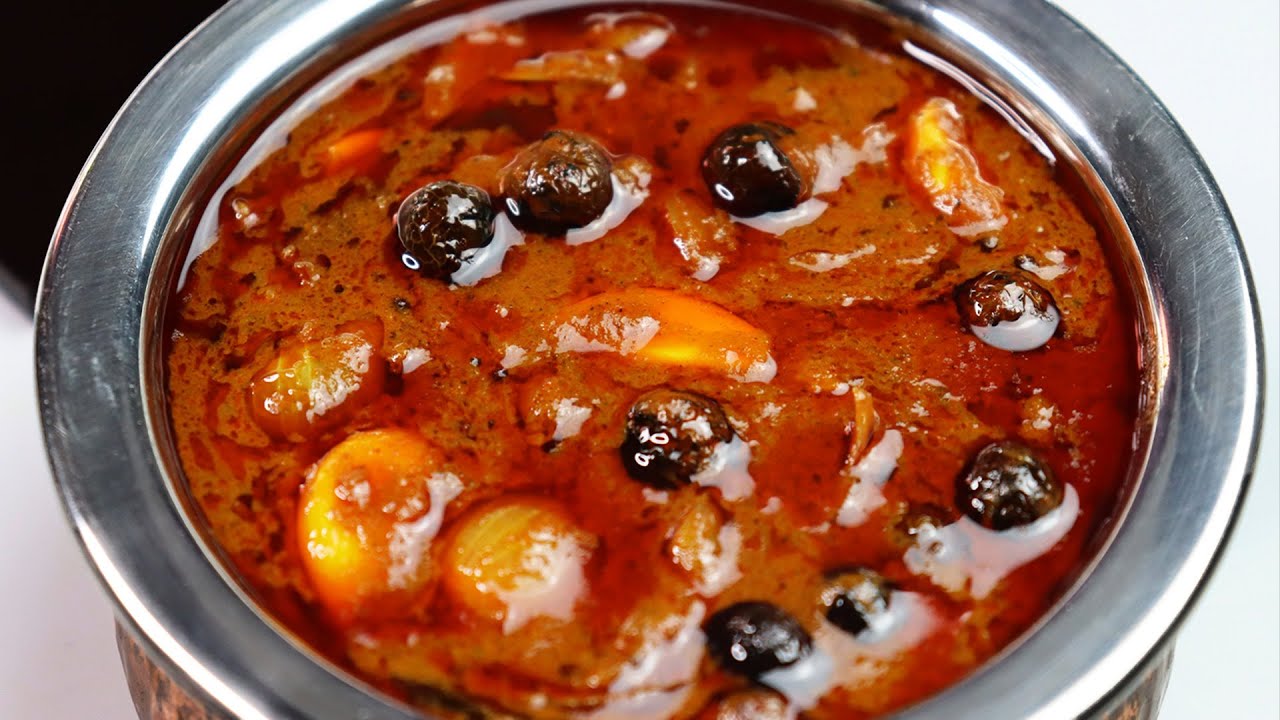
Add the tamarind extract carefully to the kadai. It will splutter — stand back slightly. Stir well and add turmeric powder and salt. Bring the tamarind mixture to a boil on medium-high heat, then reduce to medium-low flame. Let it simmer and reduce for 12 to 15 minutes, stirring occasionally, until the mixture thickens and the raw smell of tamarind disappears completely. The oil should start to float on top — this is the sign it is ready.
Add jaggery if using — it balances the tartness beautifully. Stir well. Add the roasted peanuts and mix. Now add the prepared Puliyodharai Podi — start with 2 tablespoons and adjust to your taste. Stir everything together and cook for another 2 minutes on low flame. Taste and adjust salt and spice. Switch off the flame. This is your Puliyodharai Gojju (tamarind paste mix).
Take the cooled cooked rice in a large wide plate or bowl. Make sure the rice grains are separate and not clumped together. Add a teaspoon of sesame oil over the rice first and gently mix — this prevents the grains from sticking. Now add the prepared tamarind gojju little by little, gently mixing with your hand or a flat ladle. Do not mash the rice. Mix until every grain is evenly coated with the tamarind mix.
Taste the Puliyodharai and adjust salt if needed. Drizzle a final teaspoon of sesame oil on top for that authentic flavour and sheen. Allow the rice to rest for 10 minutes before serving so all the flavours absorb into the rice. Serve hot or at room temperature with appalam (papad), potato curry, or raw banana chips on the side.
Tips and Tricks
- Always use sesame oil (gingelly oil) for authentic Puliyodharai flavour — never substitute with refined oil. Sesame oil is what gives this dish its signature taste and also acts as a natural preservative, keeping the rice fresh for up to 8 hours at room temperature.
- Cook the rice with slightly less water so the grains are firm and separate. Mushy or overcooked rice will make the Puliyodharai sticky and heavy. Spreading the hot cooked rice on a plate and letting it cool completely before mixing ensures perfect non-sticky tamarind rice.
- You can make a large batch of the Puliyodharai Podi and store it in an airtight jar for up to a month. Similarly, the tamarind gojju (paste) can be refrigerated for up to 10 days. Having both ready in your pantry means you can make fresh Puliyodharai in just 5 minutes on any busy day.
Related Tags