Rava Pongal | Sooji Pongal | Semolina Pongal
Authentic South Indian Food Creator · Home Chef
Rate this recipe
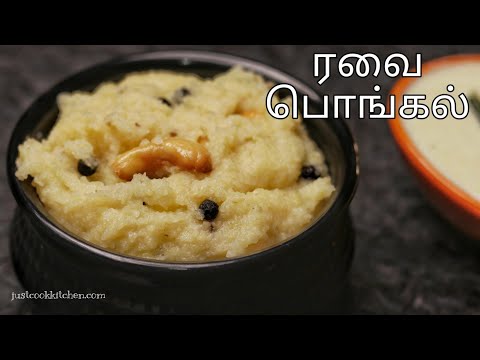
Rava Pongal, also known as Sooji Pongal or Semolina Pongal, is a beloved South Indian breakfast dish that holds a special place in Tamil cuisine. Made with roasted semolina and yellow moong dal, this dish is a delightful variation of the classic rice pongal. It carries the same comforting flavours of pepper, cumin, and ghee but comes together much faster, making it a go-to morning meal in countless Tamil households across Tamil Nadu and beyond.
Tamil families absolutely adore Rava Pongal for its simplicity, warmth, and nourishing qualities. It is commonly prepared on busy weekday mornings when time is short but the love for a wholesome homemade breakfast remains strong. During the auspicious festival of Thai Pongal, many families also prepare this dish alongside the traditional rice pongal as a special treat. Its soft, melt-in-your-mouth texture paired with coconut chutney and sambar makes it a complete and satisfying meal that brings the whole family to the table with joy.
What makes this Rava Pongal recipe truly special is how quickly and easily it comes together with pantry staples. The secret lies in dry roasting the semolina until fragrant before cooking, which gives it a nutty aroma and prevents clumping. A generous tempering of ghee with cashews, curry leaves, ginger, pepper, and cumin adds layers of flavour that make every bite irresistible. Use freshly cracked black pepper for the best results and serve hot immediately for that perfect soft and creamy consistency every time.
Looking for more breakfast recipes? Browse all vegetarian recipes →
Ingredients(14 items)
Instructions
💡 Tap a step to mark it doneDry roast the yellow moong dal in a pan over medium flame for 3 to 4 minutes until it turns light golden and gives off a pleasant nutty aroma. Remove from the pan and set aside. This roasting step enhances the flavour of the dal and helps it cook to a soft creamy consistency.
In the same pan, dry roast the fine semolina over medium-low flame for 4 to 5 minutes, stirring continuously, until it turns slightly golden and releases a warm, toasty fragrance. Be careful not to over-roast or burn it. Remove from heat and set aside in a bowl.
Pressure cook the roasted moong dal with 1 cup of water for 3 to 4 whistles until it is completely soft and mushy. Once the pressure releases naturally, open the cooker and mash the dal well with a ladle until smooth. Set aside.
In a heavy-bottomed pan or kadai, heat 1 tablespoon of ghee over medium flame. Add the cashew nuts and fry until golden brown. Remove the cashews and set aside, leaving the ghee in the pan for tempering.
To the same ghee in the pan, add the cumin seeds and whole black peppercorns. Let them splutter for a few seconds. Then add the slit green chillies, finely chopped ginger, and curry leaves. Sauté for about 1 minute until fragrant. Add the pinch of asafoetida and mix well.
Pour in 3 cups of water and 1/2 cup of milk into the tempered pan. Add salt to taste and bring the liquid to a rolling boil over medium-high heat. The addition of milk gives the pongal a lovely creamy and rich texture.
Once the water and milk mixture is boiling well, reduce the flame to low. Slowly add the roasted semolina in a steady stream while stirring continuously to avoid any lumps forming. Keep stirring briskly as you add the rava to ensure a smooth mixture.
Cover the pan with a lid and cook on low flame for 3 to 4 minutes until the semolina is fully cooked and has absorbed all the liquid. Open the lid and stir well. The mixture should look soft, thick, and slightly creamy at this stage.
Add the mashed cooked moong dal to the semolina mixture and mix everything together thoroughly. Add the crushed black pepper and stir well to combine all the flavours evenly throughout the pongal.
Drizzle the remaining 2 tablespoons of ghee over the pongal and mix gently. Finally, add the fried cashew nuts on top. Give it one final stir and taste for salt and pepper. Serve the Rava Pongal hot immediately with coconut chutney and sambar for a classic Tamil breakfast experience.
Tips and Tricks
- Always dry roast the semolina on a low to medium flame with continuous stirring. Properly roasted rava will not turn sticky or lumpy when cooked in the liquid and gives the pongal a wonderful nutty flavour.
- Adding milk along with water makes the Rava Pongal extra soft, creamy, and rich. If you prefer a lighter version, you can skip the milk and use 3.5 cups of water instead, but milk gives the best restaurant-style texture.
- Serve Rava Pongal immediately as soon as it is prepared. Semolina pongal tends to thicken and become stiff as it cools down. If it thickens upon standing, add a small splash of hot water or warm milk and stir gently to loosen it before serving.
⚠️ Nutrition values could not be verified for this recipe. Please check manually.
Related Tags