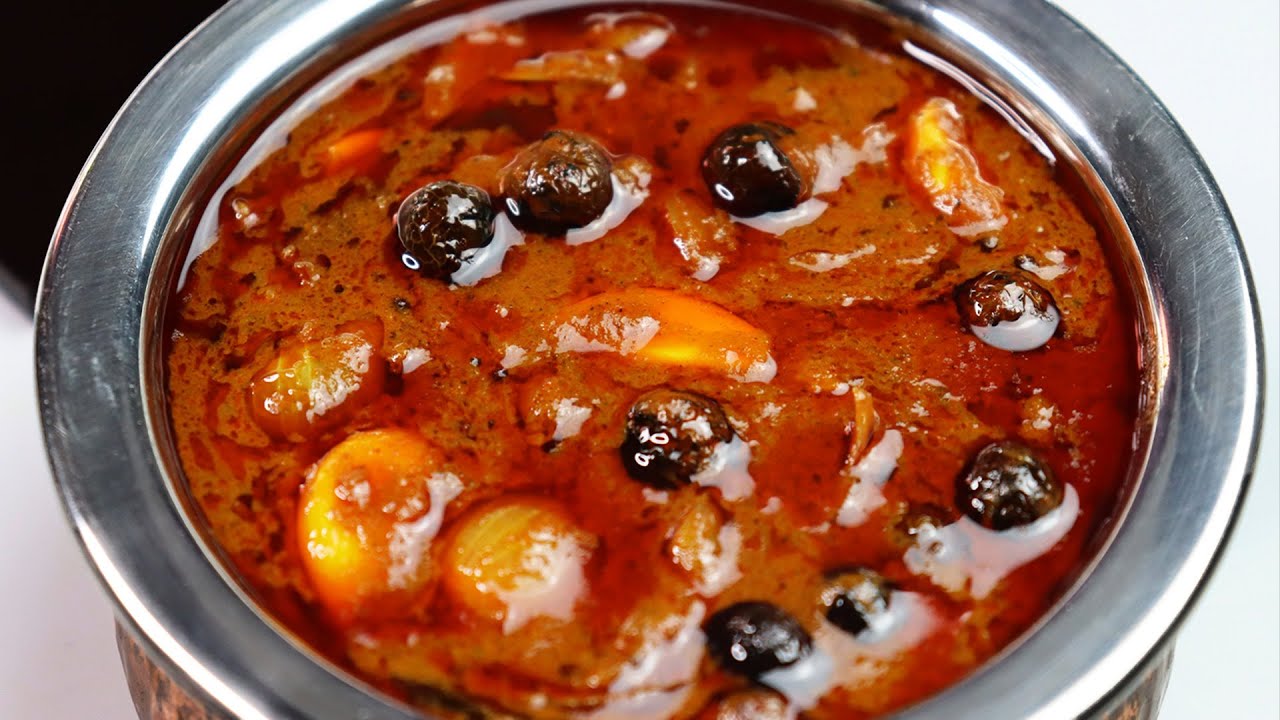
Sakkarai Pongal Recipe – Traditional Sweet Pongal
Authentic South Indian Food Creator · Home Chef

Rate this recipe
Sakkarai Pongal, also known as Sweet Pongal or Chakkara Pongal, is one of the most beloved traditional dishes in Tamil cuisine. Made with freshly harvested rice, jaggery, moong dal, ghee, and fragrant cardamom, this dish has been prepared in Tamil homes and temples for centuries. Its golden colour, rich aroma, and melt-in-the-mouth texture make it truly irresistible. Rooted deeply in South Indian culture, Sakkarai Pongal is much more than a sweet dish — it is an offering of gratitude and devotion prepared with love.
Tamil families absolutely adore Sakkarai Pongal, and it holds a very special place during the Pongal festival, celebrated every January to mark the harvest season and the sun's northward journey. Known as Makara Sankranthi in other parts of India, this four-day Tamil festival begins with the cooking of Pongal in a clay pot outdoors, allowed to boil and overflow as a symbol of abundance and prosperity. Beyond Pongal festival, families also prepare this sweet dish for temple offerings, family pujas, birthdays, and any auspicious occasion that calls for a sweet blessing from the heart.
What makes this recipe truly special is how simple ingredients come together to create something divine. The key is using good quality jaggery, freshly cooked raw rice, and generous helpings of desi ghee. Roasting moong dal lightly before cooking adds a beautiful nuttiness, while cashews and raisins fried in ghee give every bite a delightful crunch. Cooking it in a pressure cooker or heavy-bottomed pan makes this recipe very easy to master at home. Follow this traditional method and your Sakkarai Pongal will taste just like the beloved kovil prasadam every single time.
Looking for more sweets recipes? Browse all vegetarian recipes →
Ingredients(12 items)
Instructions
💡 Tap a step to mark it doneDry roast the moong dal in a heavy-bottomed pan on medium flame for 2 to 3 minutes until it turns light golden and gives off a nutty aroma. Do not let it brown too much. Remove from heat and set aside.
Wash the raw rice two to three times in fresh water. Combine the washed rice and roasted moong dal together in a pressure cooker. Add 3 cups of water and cook for 4 to 5 whistles on medium flame until the rice and dal are very soft and mushy. This mushy texture is essential for a good Sakkarai Pongal.
While the rice is cooking, prepare the jaggery syrup. Add the crushed jaggery to a small saucepan with half a cup of water. Heat on medium flame, stirring occasionally, until the jaggery melts completely and the syrup becomes smooth. Strain the syrup through a fine sieve to remove any impurities or grit. Set aside.
Once the pressure releases naturally, open the cooker and mash the cooked rice and dal together thoroughly using a ladle or the back of a spoon. The mixture should look creamy and well combined.
Place the mashed rice and dal mixture on the stove over medium-low flame. Add the filtered jaggery syrup and half a cup of warm milk. Stir everything together well and cook for 5 to 7 minutes, stirring continuously, until the mixture thickens and comes together nicely without sticking to the pan.
Add the crushed cardamom powder, dry ginger powder, a tiny pinch of salt, and the optional edible camphor. Stir well to combine. These aromatics are what give Sakkarai Pongal its signature temple-style fragrance.
In a separate small pan, heat the ghee generously over medium flame. Add the cashew nuts and fry until they turn golden and crispy. Then add the raisins and fry for another 30 seconds until they puff up. Pour the entire ghee mixture over the pongal and mix it in gently. Reserve a little to drizzle on top before serving.
Give the Sakkarai Pongal a final stir and check the consistency. It should be soft, glossy, and slightly thick. If it looks too dry, add a tablespoon of warm milk and stir. Turn off the flame. Serve hot, drizzled with a little extra ghee, and enjoy this divine sweet offering.
Tips and Tricks
- Always strain the jaggery syrup before adding it to the pongal to remove sand or impurities — this ensures a clean, smooth texture without any gritty bits.
- Do not reduce the ghee — a generous amount of ghee is what gives Sakkarai Pongal its rich, authentic temple-style taste and beautiful glossy finish.
- Cook the rice and dal until they are completely soft and mushy before adding jaggery. Undercooked rice will result in a grainy pongal that lacks the signature creamy texture.
Related Tags