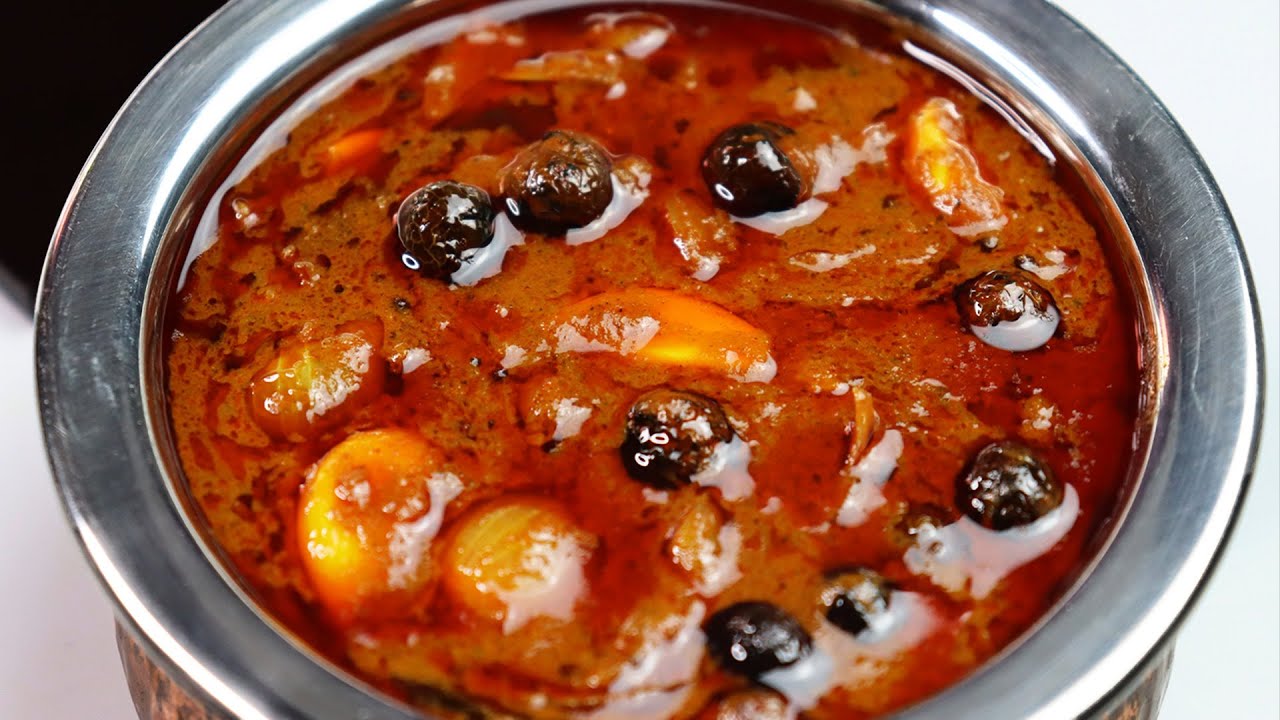
Sakkarai Pongal (Sweet Pongal)
Authentic South Indian Food Creator · Home Chef

Rate this recipe
Sakkarai Pongal, also known as Sweet Pongal or Chakkarai Pongal, is one of the most beloved and sacred sweet dishes in Tamil cuisine. Made with raw rice, moong dal, jaggery, ghee, and fragrant cardamom, this dish holds a deeply spiritual and cultural place in South Indian cooking. The word 'Pongal' itself means 'to boil and overflow,' symbolizing abundance and prosperity. It is a dish that has been lovingly prepared in Tamil households for generations, carrying with it the warmth of tradition and devotion.
Tamil families absolutely cherish Sakkarai Pongal, and it is prepared for some of the most important festivals and occasions throughout the year. The Pongal harvest festival celebrated in January is the most iconic occasion where this dish takes center stage, cooked in a clay pot outdoors and allowed to overflow as a joyful blessing. It is also made for Vinayagar Chaturthi, Tamil New Year (Puthandu), temple offerings (naivedyam), and special family puja days. Every Tamil home has its own cherished version of this recipe passed down through mothers and grandmothers.
What makes this recipe truly special is how simple ingredients come together to create something extraordinarily comforting and divine. Using freshly harvested rice and good-quality jaggery makes a noticeable difference in flavor. The generous amount of ghee poured at the end gives it a rich, aromatic finish that is absolutely irresistible. Cooking it in a pressure cooker makes the process quick and foolproof for beginners. Whether you are making it for a festival or just as a sweet treat, this recipe will fill your kitchen with warmth and your heart with joy.
Looking for more sweets recipes? Browse all vegetarian recipes →
Ingredients(11 items)
Instructions
💡 Tap a step to mark it doneDry roast the moong dal in a pan on medium heat for 2 to 3 minutes until it turns lightly golden and gives off a nutty aroma. This step enhances the flavor of the dal and removes any raw smell. Set aside to cool.
Wash the raw rice thoroughly under running water two or three times until the water runs clear. Drain and set aside. Combine the washed rice and roasted moong dal in a pressure cooker.
Add 3 cups of water and 1/2 cup of milk to the pressure cooker with the rice and dal. The milk adds a rich, creamy texture to the pongal. Close the lid and pressure cook on medium heat for 4 to 5 whistles until the rice and dal are very soft and mushy.
While the rice is cooking, prepare the jaggery syrup. Add the grated jaggery to a small saucepan with 1/4 cup of water. Heat on low flame, stirring continuously until the jaggery completely dissolves. Strain the syrup through a fine sieve to remove any impurities or dirt. Set aside.
Once the pressure releases naturally, open the cooker and mash the cooked rice and dal mixture well with a ladle or the back of a spoon until it forms a smooth, thick porridge-like consistency. If it looks too thick, add a little warm water or milk and mix well.
Place the pressure cooker or a heavy-bottomed pan on low heat. Pour the strained jaggery syrup into the cooked rice and dal mixture. Stir continuously to combine everything evenly. The mixture will loosen slightly when the jaggery is added, which is perfectly normal.
Continue to stir and cook on low heat for 5 to 7 minutes until the jaggery syrup is fully absorbed and the pongal comes together into a thick, glossy consistency. Add cardamom powder and a tiny pinch of edible camphor if using, and mix well.
In a small frying pan, heat 2 tablespoons of ghee. Add the cashew nuts and fry until they turn golden brown. Then add the raisins and fry for 30 seconds until they puff up. Pour this entire tempering along with the ghee directly into the pongal and stir gently.
Add the remaining 2 tablespoons of ghee directly into the pongal and mix everything together on low heat for another 2 minutes. The pongal should look glossy, rich, and aromatic. Turn off the heat. Garnish with a few saffron strands if desired and serve warm.
Tips and Tricks
- Always strain the jaggery syrup before adding it to the pongal. Unfiltered jaggery can contain sand or impurities that will ruin the texture and taste of the dish.
- Do not reduce the ghee in this recipe. Generous ghee is what gives Sakkarai Pongal its authentic temple-style flavor and beautiful glossy appearance. At least 3 to 4 tablespoons is ideal.
- For the best flavor, use freshly harvested raw rice (new crop rice) as it cooks softer and absorbs the jaggery syrup more beautifully. If using aged rice, you may need to add a little extra water while pressure cooking.
Related Tags