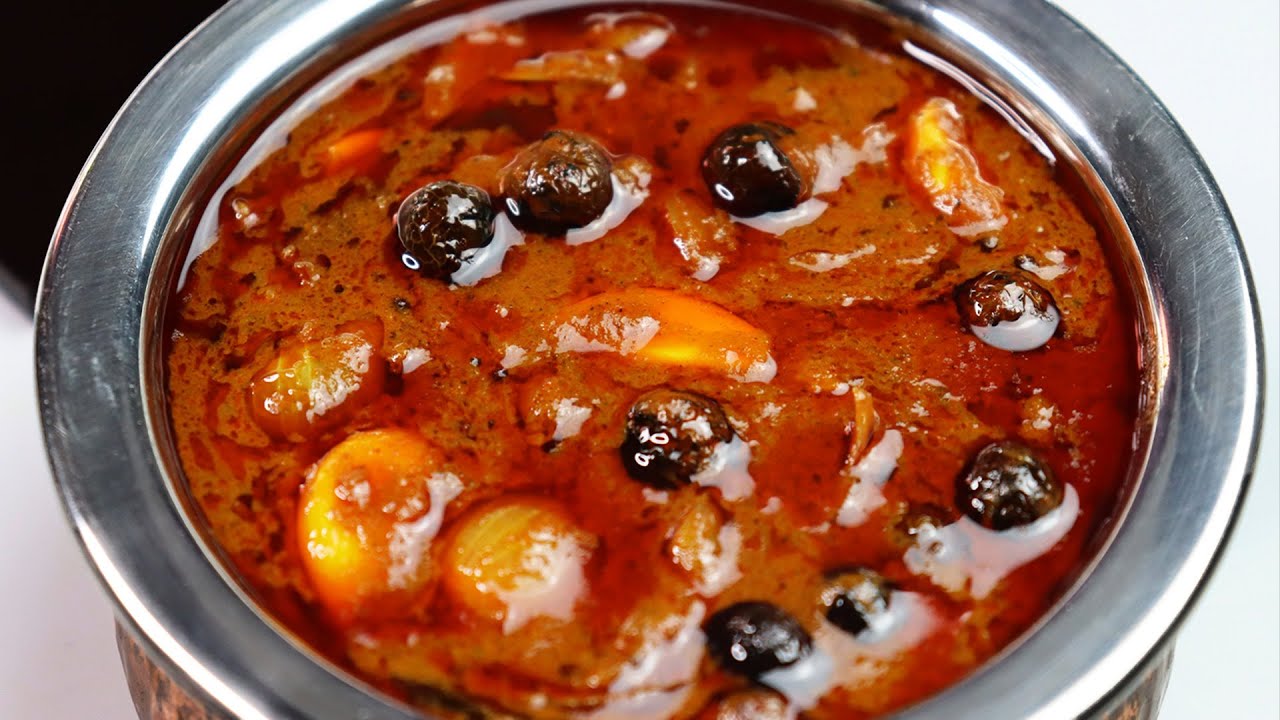
Seppankizhangu Kulambu | Colocasia Kara Kuzhambu

Authentic South Indian Food Creator · Home Chef

Rate this recipe
Seppankizhangu Kulambu is a bold, tangy, and deeply spiced tamarind-based gravy made with colocasia root, a humble yet beloved tuber in Tamil Nadu kitchens. Known as arbi in Hindi and taro root in English, seppankizhangu has been a staple ingredient in South Indian cooking for generations. This kara kuzhambu style preparation is rooted in the traditional Chettinad and Kongu Nadu culinary traditions, where robust spice blends and tamarind form the soul of everyday gravies served with hot steamed rice.
Tamil families absolutely adore this dish because it is both comforting and deeply satisfying on a rainy afternoon or a lazy weekend afternoon with piping hot rice and a drizzle of sesame oil. Many grandmothers and mothers prepare seppankizhangu kulambu on Fridays as an offering to the Goddess, and it is also a popular dish during Thai Pongal celebrations and family Sunday lunches. The thick, clingy gravy clings beautifully to the fried colocasia pieces, making every mouthful incredibly flavorful and warming to the soul.
What makes this recipe truly special is the two-step technique of first frying the seppankizhangu until golden and crispy before simmering them in the tangy tamarind kuzhambu. This ensures the taro pieces hold their shape, absorb all the spice, and do not turn mushy. Using freshly ground kuzhambu masala podi or homemade sambar powder elevates the dish dramatically. For best results, always use gingelly sesame oil which adds that authentic South Indian aroma that no other oil can replicate.
Looking for more curry recipes? Browse all vegetarian recipes →
Ingredients(17 items)
Instructions
💡 Tap a step to mark it doneWash and boil the seppankizhangu in salted water for about 10 to 12 minutes until just cooked through but still firm. Do not overcook or they will become mushy. Drain the water, allow them to cool completely, then peel the skin and cut each piece into medium sized chunks or thick rounds.
Heat 2 tablespoons of oil in a wide pan over medium heat. Add the boiled and peeled seppankizhangu pieces and shallow fry them, turning occasionally, until they turn golden brown and slightly crispy on the outside. This step is important as it prevents the pieces from breaking apart in the gravy. Remove and set aside.
Soak the tamarind in 2 cups of warm water for 10 minutes, then squeeze and extract the tamarind juice. Strain to remove seeds and fibres and keep the tamarind water ready.
Heat gingelly sesame oil in a heavy bottomed kadai or pan over medium heat. Add mustard seeds and let them splutter. Then add cumin seeds, dried red chillies, and curry leaves. Let them sizzle for 30 seconds until fragrant.
Add the small onions (shallots) and garlic cloves to the pan. Saute on medium heat for 5 to 7 minutes until the onions turn translucent and lightly golden. Shallots add a natural sweetness to the kuzhambu so do not rush this step.
Add the finely chopped tomatoes and cook until they turn soft and mushy and the oil begins to separate from the mixture, about 4 to 5 minutes. This forms the base masala for your kulambu.
Reduce the heat to low and add turmeric powder, red chilli powder, coriander powder, and kuzhambu masala powder. Mix everything together well and cook the masala for 2 minutes until the raw smell of the spices disappears and the oil floats on top.
Pour in the tamarind extract water and mix well with the masala. Add salt to taste. Increase the heat to medium and bring the kuzhambu to a boil. Once boiling, reduce the heat and let it simmer for 10 to 12 minutes until the raw tamarind smell cooks off and the gravy slightly thickens.
Add the fried seppankizhangu pieces into the simmering kuzhambu. Gently mix to coat all the pieces with the gravy. Add a small piece of jaggery at this point if desired to balance the tanginess and spice. Simmer together for another 5 to 7 minutes so the taro pieces absorb the flavours of the kulambu.
Check for salt, spice, and tanginess and adjust as needed. The kulambu should have a thick, slightly clingy consistency. If it is too thick add a little water and simmer for 2 minutes. Switch off the flame. Finish with a drizzle of raw gingelly oil on top for extra aroma and serve hot.
Tips and Tricks
- Always fry the boiled seppankizhangu before adding to the kulambu. This golden crust prevents them from becoming mushy and gives the dish a wonderful texture that soaks up all the spices beautifully.
- Gingelly oil (sesame oil) is the secret to an authentic South Indian kara kuzhambu flavour. Do not substitute with refined oil as it will completely change the aroma and taste of the final dish.
- Allow the kulambu to rest for 30 minutes before serving. Just like most tamarind-based gravies, seppankizhangu kulambu tastes even better as it sits because the taro pieces continue to absorb the tangy spiced gravy deeply.
Related Tags