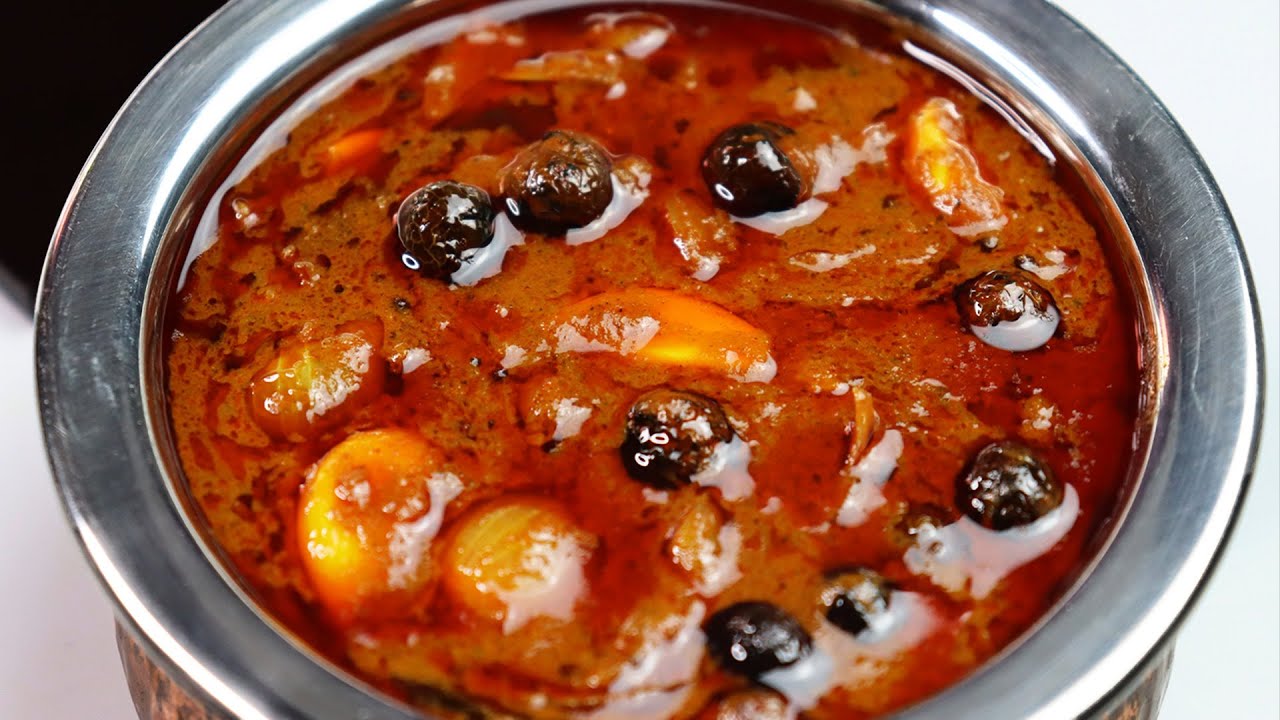
Simple Prawn Biryani Recipe

Authentic South Indian Food Creator · Home Chef

Rate this recipe
Prawn Biryani, known as Eral Biryani in Tamil, is a beloved coastal delicacy deeply rooted in Tamil Nadu's rich culinary heritage. The coastal regions of Tamil Nadu, particularly areas like Rameswaram, Nagapattinam, and Chennai, have long celebrated the abundance of fresh seafood, and prawns have always held a special place in Tamil kitchens. This fragrant one-pot dish combines succulent prawns with aromatic basmati rice, whole spices, and a beautifully spiced masala that fills the entire home with an irresistible aroma the moment you start cooking.
Tamil families absolutely adore Prawn Biryani for its bold flavours and the way it brings everyone together around the dining table. It is a dish that is often prepared during Eid celebrations, family gatherings, Sunday special lunches, and festive occasions like Pongal and Diwali. Coastal Tamil families especially prepare this biryani to honour guests and celebrate milestones. The combination of juicy prawns soaking up all the masala flavours alongside perfectly cooked rice makes every spoonful a deeply satisfying experience that carries the warmth of Tamil hospitality.
What makes this recipe truly special is how simple and approachable it is, even for beginners. Using a pressure cooker saves time while locking in all the wonderful flavours beautifully. The key to a perfect Prawn Biryani lies in not overcooking the prawns, as they become rubbery if left too long on heat. Using fresh or properly cleaned prawns, adding a splash of lemon juice to cut any fishiness, and layering your spices correctly will give you a restaurant-quality biryani right at home every single time.
Looking for more biryani recipes? Browse all recipes →
Ingredients(24 items)
Instructions
💡 Tap a step to mark it doneWash the basmati rice thoroughly under cold running water until the water runs clear. Soak the rice in enough water for at least 20 to 30 minutes, then drain and set aside. Soaking ensures the rice cooks evenly and gives you long, fluffy, non-sticky grains in the final biryani.
Clean the prawns well, remove the shells and devein them. Rinse under cold water and pat dry. Marinate the cleaned prawns with half a teaspoon of turmeric powder, one teaspoon of red chilli powder, one teaspoon of ginger garlic paste, one tablespoon of lemon juice, and a pinch of salt. Mix well and set aside for 15 minutes.
Heat oil and ghee together in a pressure cooker over medium heat. Add the bay leaves, cinnamon stick, cloves, cardamom pods, star anise, and fennel seeds. Let them sizzle for about 30 seconds until the whole spices become fragrant and release their aroma into the oil.
Add the thinly sliced onions to the cooker and fry them over medium-high heat, stirring frequently, until they turn a deep golden brown colour. This step is crucial and may take about 10 to 12 minutes. Well-fried golden onions are the secret base flavour of any great biryani, so do not rush this step.
Add the slit green chillies and the remaining ginger garlic paste to the golden onions. Sauté on medium heat for 2 to 3 minutes until the raw smell of the ginger garlic paste completely disappears and the mixture turns slightly golden.
Add the chopped tomatoes to the cooker and cook on medium heat, stirring occasionally, until the tomatoes turn completely soft and mushy and the oil begins to separate from the masala. This should take about 5 to 6 minutes. A well-cooked tomato base ensures your biryani masala is rich and flavourful.
Now add the remaining red chilli powder, coriander powder, remaining turmeric powder, biryani masala powder, and salt to taste. Mix everything well and cook the masala on low heat for 2 minutes, stirring continuously so the spice powders cook properly without burning.
Add the beaten curd to the masala and mix well. Cook on medium heat for 2 minutes, stirring, until the curd blends completely into the masala. The curd tenderises the prawns further and adds a lovely creamy texture and slight tang to the biryani.
Add the marinated prawns to the masala. Stir gently to coat all the prawns evenly with the masala. Cook on medium heat for just 3 to 4 minutes. Do not overcook the prawns at this stage as they will cook further with the rice inside the pressure cooker.
Add half the chopped coriander leaves and half the mint leaves to the prawn masala and mix gently. These fresh herbs add an incredible fragrance and depth of flavour to the biryani that makes it truly special and aromatic.
Add the soaked and drained basmati rice directly into the pressure cooker over the prawn masala. Gently mix the rice into the masala so the grains get lightly coated with all the flavours. Spread the rice out evenly across the top of the masala.
Add 3 cups of water to the cooker. Add the remaining lemon juice, coriander leaves, and mint leaves on top. Taste the water and adjust salt if needed. The water should taste slightly salty. Give everything a very gentle stir being careful not to break the rice grains.
Close the pressure cooker lid securely. Cook on high heat until you hear the first whistle. Immediately reduce the heat to the lowest flame and cook for exactly 10 minutes on low heat. After 10 minutes, turn off the flame and allow the pressure to release naturally on its own. Do not force open the cooker.
Once the pressure has fully released and it is safe to open, carefully remove the lid. Using a large fork or wide spatula, gently fluff the biryani from the sides and fold it lightly. Be gentle so the rice grains and prawns do not break. The biryani should be perfectly cooked with each grain separate and fragrant.
Serve the hot Prawn Biryani on a wide serving plate or banana leaf, garnished with extra fresh coriander and mint leaves. Accompany with raita, onion salad, and a wedge of lemon on the side. This biryani tastes best when served immediately while hot and steaming.
Tips and Tricks
- Never overcook prawns as they turn rubbery very quickly. Add them to the masala and cook for just 3 to 4 minutes before adding the rice, since they will continue to cook inside the pressure cooker.
- Always soak basmati rice for at least 20 to 30 minutes before cooking. This ensures long, non-sticky, perfectly separated grains in your biryani rather than short broken ones.
- For extra richness and restaurant-style flavour, fry a handful of thinly sliced onions in oil until golden and crispy and use them as a garnish on top of the finished biryani just before serving.
Related Tags